Steam locomotives continue to capture the attention of people across generations despite advances in technology. Their appeal lies in the blend of mechanical ingenuity, historical significance, and the sensory experience they offer, which modern trains cannot replicate.
They represent a pivotal era of industrial progress and evoke a sense of nostalgia linked to a time when railways transformed societies. Many are drawn to the visible power of steam engines, the rhythmic sounds, and the steam clouds that create a unique atmosphere.
Collectors, historians, and enthusiasts share a genuine respect for the craftsmanship and engineering behind these machines. This fascination is sustained by the ongoing preservation efforts and the opportunity to witness steam locomotives in action today.
The Timeless Allure of Steam Locomotives
Steam locomotives combine intricate engineering with a powerful presence that captivates many. Their role in shaping national identities and deep ties to British culture further enhance their lasting appeal.
Mechanical Drama and Visual Wonder
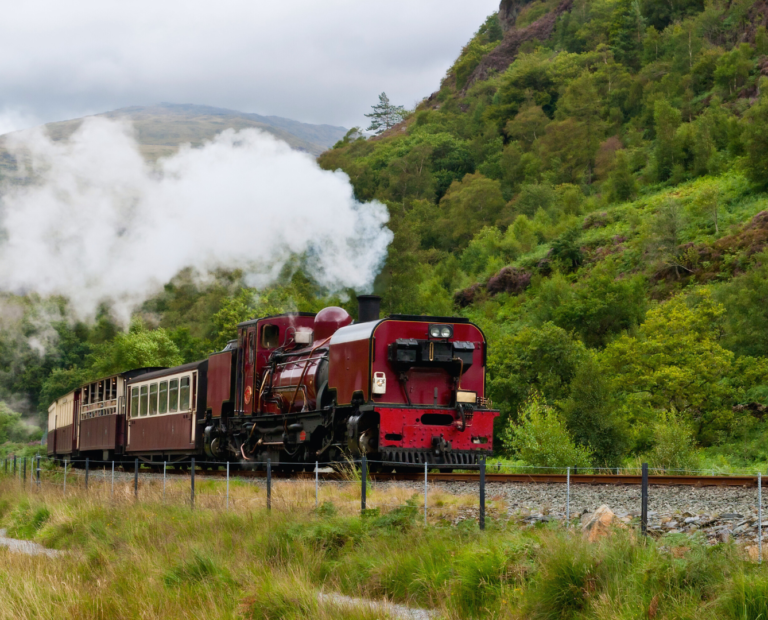
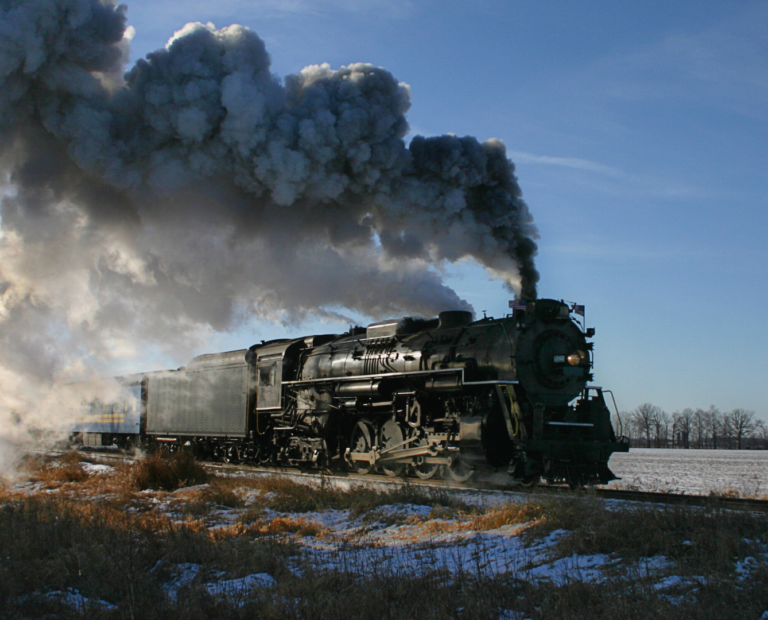
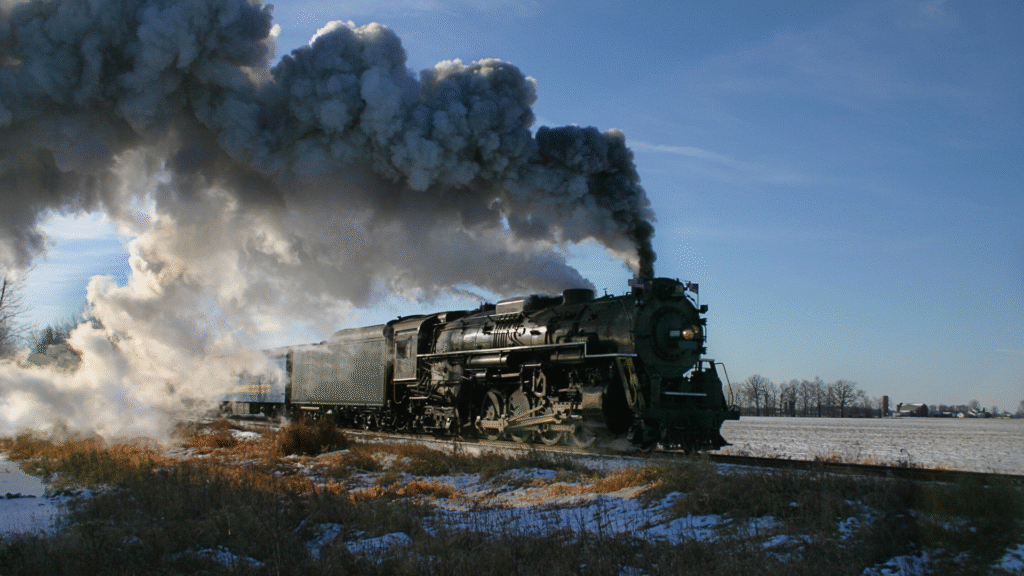
Steam locomotives operate through complex systems of pistons, boilers, and valves, creating a dynamic and visible display of mechanical power. The rising steam, rhythmic chuffing, and spinning wheels provide a sensory experience unmatched by modern trains.
The sheer size and craftsmanship of these engines showcase industrial skill. Many enthusiasts appreciate watching the steam engines in motion, noting how the visible mechanics create a unique spectacle of energy and force.
Among famous models, the Hogwarts Express captures imaginations worldwide. Its steam and design evoke nostalgia and fantasy, linking technical achievement with storytelling.
Evolving Symbol of National Identity
Steam locomotives historically symbolised progress and unity, especially during Britain’s industrial rise. They connected remote communities and reinforced a sense of national achievement through engineering prowess.
This symbolism persists, with steam engines often preserved as cultural icons. Museums and heritage railways maintain them as tangible links to a shared past.
They also represent resilience and innovation in the face of changing technology, reminding people of a pivotal era in British history when steam power dominated transport.
Steam Trains in British Culture and Literature
Steam locomotives feature prominently in British literature and media, reflecting their integration into the national psyche. Writers have used them as metaphors for progress, adventure, and nostalgia.
The iconic Hogwarts Express from the Harry Potter series exemplifies this. It blends magical narrative with the real-world allure of steam trains, sparking interest in younger generations.
Literary works often highlight steam trains as symbols of journeys—both physical and emotional. This cultural embedding helps maintain enthusiasm for steam locomotives beyond historical interest.
Historical Foundations and Evolution
Steam locomotives transformed transport and industry, becoming central to economic growth and technological progress. Their development involved key inventors, engineering breakthroughs, and expanding railway networks that shaped modern rail travel.
Revolutionising Industry and Rail Travel
Steam locomotion marked a shift from animal and human-powered transport to mechanised movement. It enabled faster, heavier, and more reliable hauling of goods and passengers. This shift accelerated industrialisation by connecting raw materials, factories, and markets.
Factories could source coal and iron efficiently, while finished products reached distant consumers. Urbanisation patterns evolved as railways linked cities and rural areas. Steam trains reduced travel time dramatically, altering business and social life in Britain and beyond.
The Impact of George Stephenson
George Stephenson is often called the “Father of Railways” for his pioneering work on steam locomotives. His 1814 locomotive, Blücher, proved that steam power could haul heavy loads on rails.
Stephenson developed the Locomotion No. 1 for the Stockton and Darlington Railway in 1825, the first public passenger line to use steam traction. He also designed the Rocket in 1829, which set standards for locomotive engineering, including multi-tube boilers and improved efficiency.
His innovations laid the technical and operational foundation for the British railway network. Stephenson’s influence extended through consulting on railway construction and promoting standard gauge track.
Milestones and Iconic Locomotives
Several steam locomotives marked milestones in design and capability. Big Boy, built by the American Locomotive Company, remains one of the largest and most powerful steam engines ever made, designed for heavy freight over mountainous terrain.
In Britain, the Evening Star was the last steam locomotive built by British Rail in 1960. It symbolised the peak and end of British steam locomotive production.
Early designs focused on speed and power trade-offs; later models refined comfort, fuel efficiency, and durability. Key milestones included the use of superheaters, compound engines, and improved valve gear.
Expansion of the Railway Network
The expansion of the railway network during the 19th and early 20th centuries was crucial for steam’s dominance. Rail lines grew rapidly, connecting industrial centres, ports, and rural areas across Britain and internationally.
By the mid-1800s, over 20,000 miles of track existed in Britain alone. This included major companies like British Rail later consolidated networks into national systems.
Railways supported the mass movement of goods like coal and steel while enabling passenger travel and mail delivery. The evolving network demanded powerful steam locomotives capable of handling diverse routes and increasing traffic, driving continuous technological improvements.
Nostalgia, Experience, and Generational Fascination
Steam locomotives evoke strong emotional ties and a sense of history. Their appeal spans generations, driven by personal memories, community efforts, heritage preservation, and cultural influence. These factors combine to keep steam trains relevant and admired today.
Emotional Connection and Childhood Memories
Many people associate steam trains with their childhoods, having experienced family visits to heritage railways or seen old photos of train journeys. These memories form a lasting emotional bond.
The sounds, sights, and even smells of steam locomotives create vivid sensory experiences that resonate deeply. For some, steam trains symbolise a simpler time or family traditions.
Such connections often inspire repeat visits to heritage railways, where enthusiasts can relive early experiences or share them with younger generations. This shared nostalgia strengthens the fascination across age groups.
The Role of Volunteerism and Community
Volunteer groups are crucial to maintaining and operating steam locomotives and heritage railways. They preserve skills like boiler maintenance, driving, and restoration work that might otherwise be lost.
Communities around heritage railways often rally to support events, run museums, and fund projects. This commitment builds a strong social fabric centred on steam trains.
Volunteers frequently pass knowledge to apprentices, ensuring continuity. Their efforts allow the public to experience steam train travel, helping keep the tradition alive beyond just static displays.
Preservation and Heritage Railways
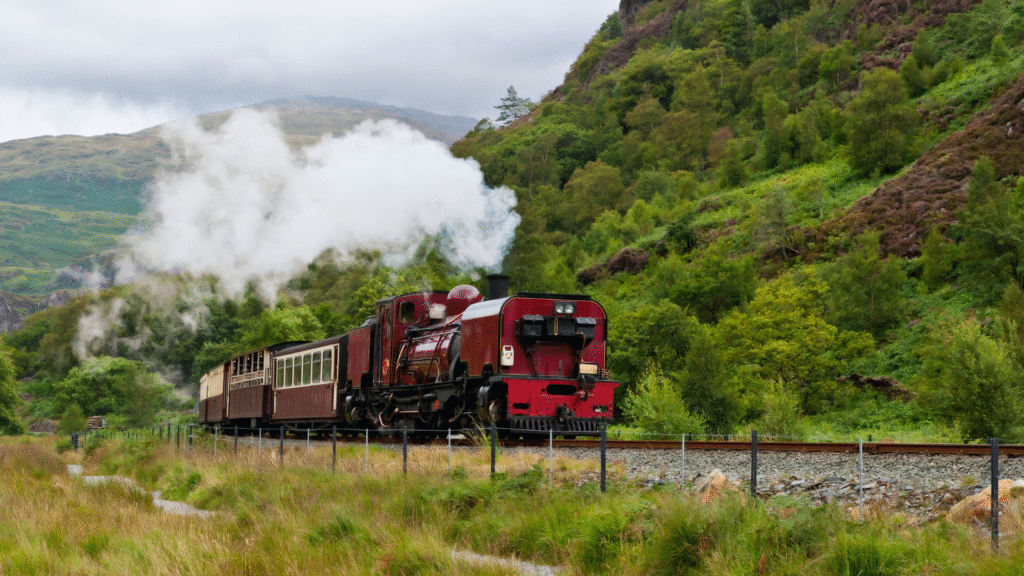
Heritage railways across the UK and beyond serve as living museums, offering operational steam locomotive rides. Lines like the Severn Valley Railway, Bluebell Railway, and others provide immersive experiences.
These railways preserve historic steam trains, including famous examples linked to services such as the Orient Express. Their careful restoration work maintains authenticity.
Heritage lines often balance historical accuracy with modern safety standards. They work to attract a broad audience, making steam train history accessible and engaging to the public today.
Influence in Popular Culture
Steam locomotives feature prominently in films, literature, and television, reinforcing their iconic status. The Orient Express, for example, remains a symbol of luxury and mystery in popular narratives.
This cultural presence fuels interest in steam trains, leading new audiences to explore heritage railways. Media portrayals often highlight the romance and adventure associated with steam travel.
Such representation also supports merchandise, exhibitions, and events linked to steam railways, extending the fascination beyond direct experience and into wider cultural memory.
The Living Legacy: Steam Trains Today
Steam trains remain active parts of history and culture, combining education, tourism, and heritage preservation. Their continued presence is enabled by passionate communities and dedicated efforts, keeping the experience of steam locomotion alive for many.
Modern-Day Attractions and Tourism
Heritage railways worldwide attract millions each year. Visitors often enjoy scenic rides on steam trains through historic routes, some dating back to the 19th century. These journeys offer a glimpse into the past, highlighted by the sight and sound of the locomotive’s whistle and the steady rhythm of wheels on rails.
Steam train excursions are also popular at special events, such as festivals or themed rides. Many attractions provide hands-on experiences where visitors can see firemen stoking the boilers or learn about the engineering behind the engines. These opportunities create interactive tourism that appeals to families, hobbyists, and historians alike.
Restoration and Conservation Efforts
A wide network of preservation groups, museums, and societies works to restore and maintain steam locomotives. Skilled volunteers and professionals often collaborate to rebuild engines, refurbish carriages, and preserve associated infrastructure like signal boxes and roundhouses.
Restoration can take years, involving specialised metalwork, boiler repairs, and sourcing original parts. Conservation projects frequently receive funding from public grants, donations, and ticket sales. These efforts ensure that steam trains remain operational and historically accurate for future generations to study and appreciate.
Enduring Appeal Across Generations
Steam trains fascinate people of all ages due to their mechanical complexity and historical significance. Older generations recall their first encounters with these locomotives, while younger people are drawn to their unique sensory experience.
Children and enthusiasts alike admire the labour of firemen, the intense heat and coal dust, and the skill required to operate steam engines. Educational programmes and museums often focus on these elements, fostering a deeper understanding of industrial heritage and engineering principles.
The ongoing interest in steam trains reflects a desire to preserve a tangible connection with a pivotal era in transportation and technology.