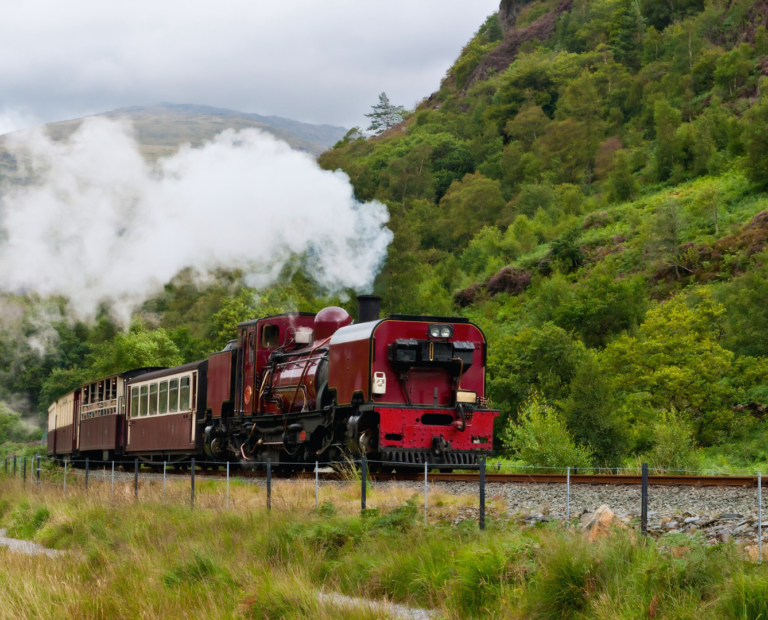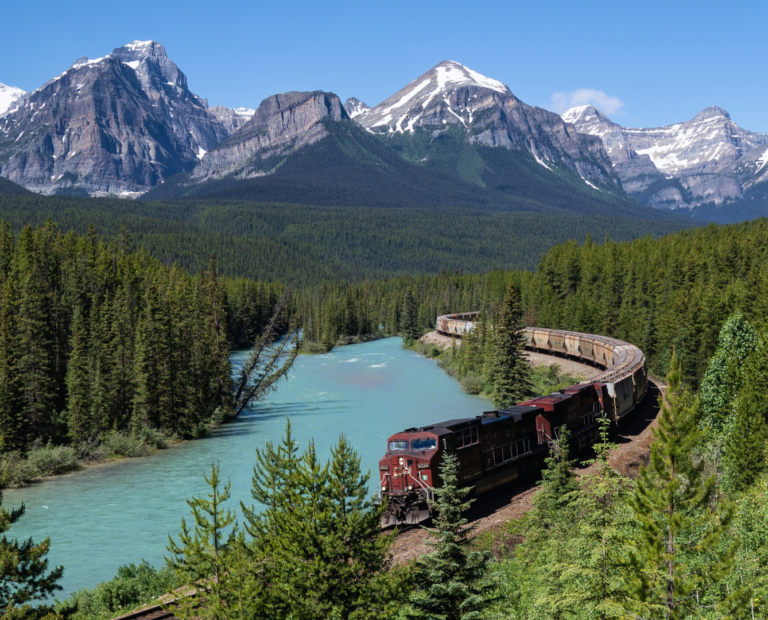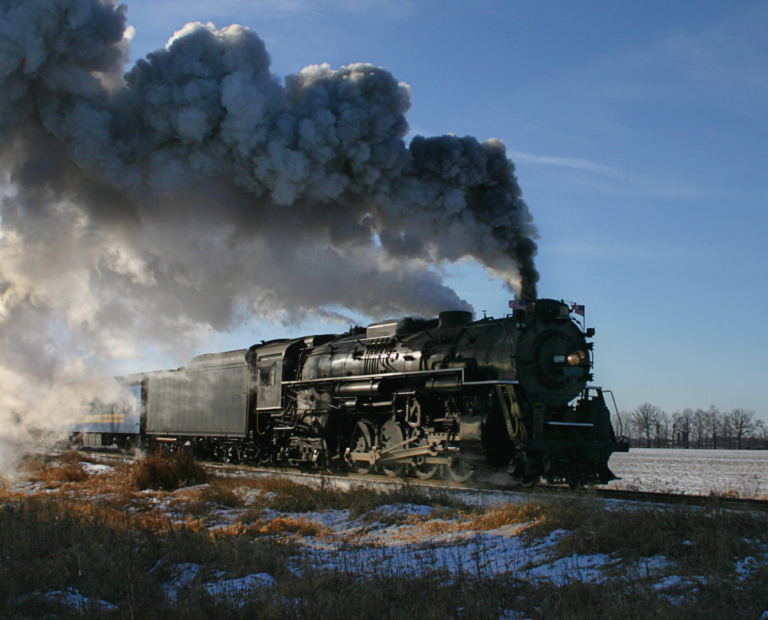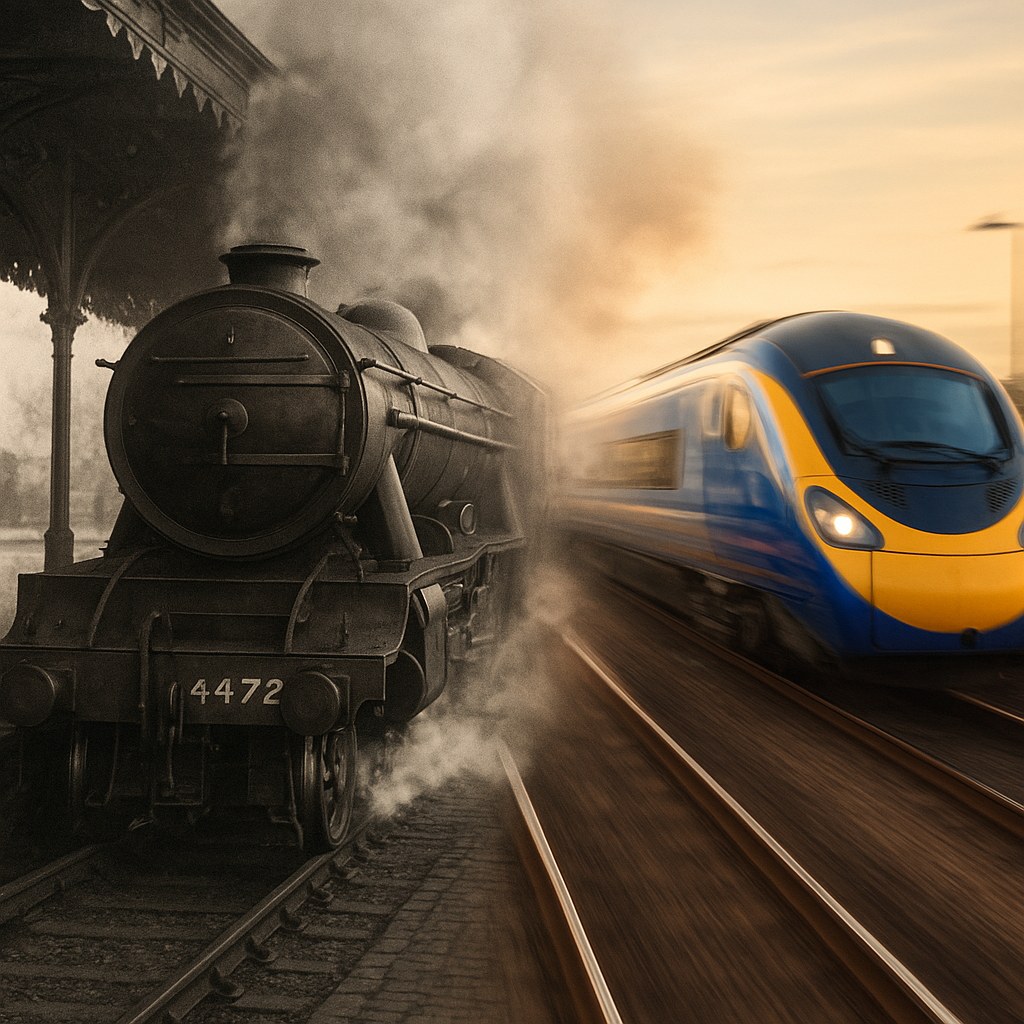
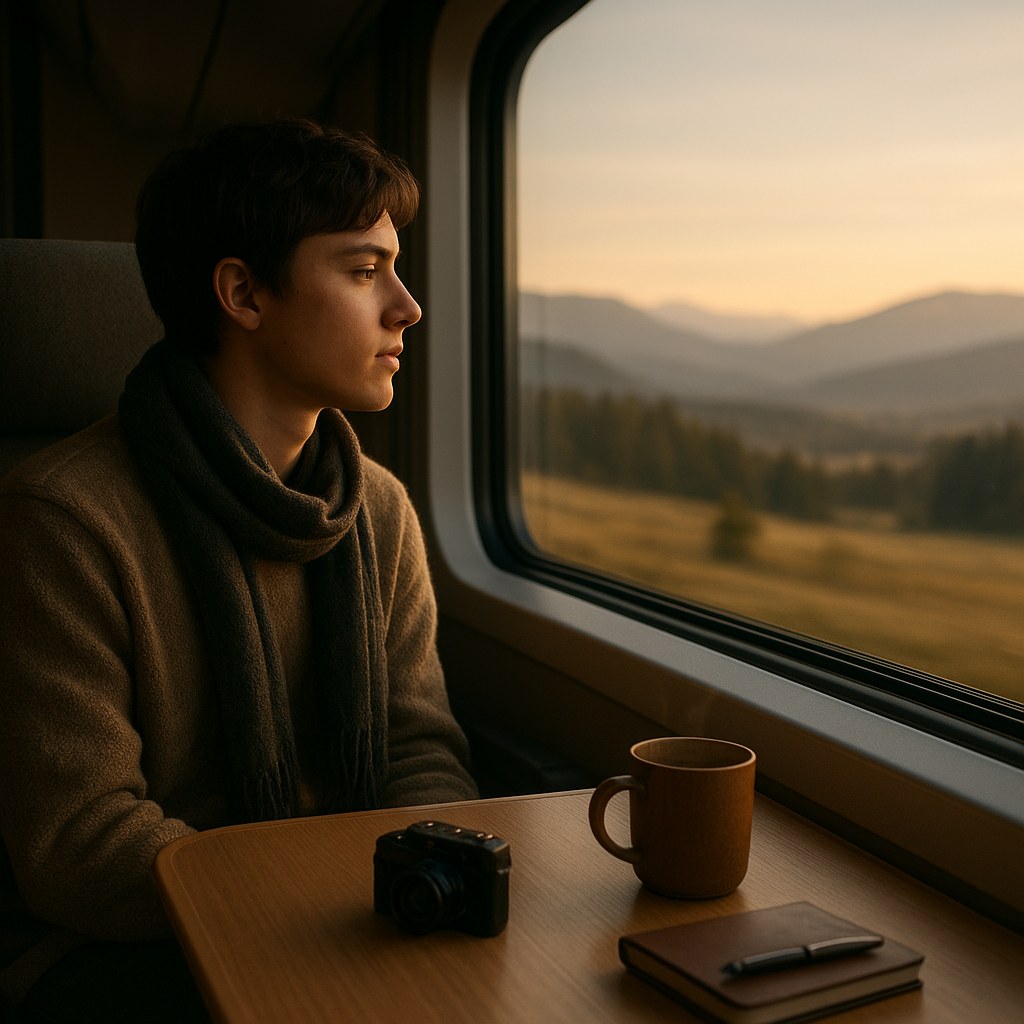
There’s something profoundly calming about watching the world roll past a train window at 70 miles per hour. The rhythmic clatter of wheels on track, the ever-changing landscape, the gentle rocking motion—it all combines to create an experience that feels almost meditative. Whilst modern life often prioritises speed and efficiency above all else, long distance train journeys offer something increasingly rare: permission to simply be, without the pressure to constantly do.
Research suggests that train travel can reduce stress levels by up to 33% compared to driving, and there’s growing recognition amongst mental health professionals that the railway environment itself possesses genuinely therapeutic qualities. Whether you’re crossing the Scottish Highlands, meandering through the Canadian Rockies, or traversing the American Midwest, extended train journeys offer a unique form of moving meditation that’s difficult to replicate elsewhere.
The Psychology Behind Train Travel’s Calming Effect
The therapeutic benefits of rail travel aren’t merely anecdotal—they’re rooted in how our brains respond to the train environment. Unlike air travel, which crams passengers into pressurised tubes with minimal visual reference to the outside world, or car journeys that demand constant attention and decision-making, trains create what psychologists call a “soft fascination” state.
This concept, developed by environmental psychologists Rachel and Stephen Kaplan, refers to environments that hold our attention gently without demanding cognitive effort. Watching landscapes unfold from a train window requires just enough focus to be engaging, but not so much that it becomes mentally taxing. Your mind can wander freely whilst remaining anchored to the present moment—a state remarkably similar to mindfulness meditation.
The rhythmic sounds of train travel play a significant role as well. The repetitive, predictable nature of wheels on track creates what audio engineers call “pink noise”—a consistent frequency pattern that has been shown to improve sleep quality and reduce anxiety. Many passengers report feeling drowsy or particularly contemplative on trains, and this ambient soundtrack is largely responsible.
Disconnecting to Reconnect: The Digital Detox Advantage
One of the most valuable therapeutic aspects of long distance train journeys is the enforced break from constant connectivity. Whilst many trains now offer Wi-Fi, the connection is often unreliable enough that attempting to work becomes more frustrating than productive. Rather than being a drawback, this technological limitation is increasingly recognised as a benefit.
According to a 2023 study by the University of Sussex, participants who took regular breaks from digital devices reported a 28% improvement in overall wellbeing and a 41% reduction in anxiety symptoms. Long train journeys create a natural environment for this disconnection, offering what one regular Amtrak Coast Starlight passenger described as “the only place where I’m genuinely unreachable without feeling guilty about it.”
The Return of Boredom (And Why That’s Brilliant)
In our hyperconnected world, boredom has become almost extinct—and that’s not necessarily a good thing. Psychologists argue that boredom serves important cognitive functions, allowing the brain to process emotions, consolidate memories, and engage in creative problem-solving.
Train journeys reinstate this valuable mental space. Without the option to scroll endlessly through social media or respond to work emails, passengers are forced to sit with their thoughts. Initially, this can feel uncomfortable, but many people report that hours two and three of a long journey bring a profound sense of mental clarity that eludes them in daily life.
The Meditative Quality of Moving Landscapes
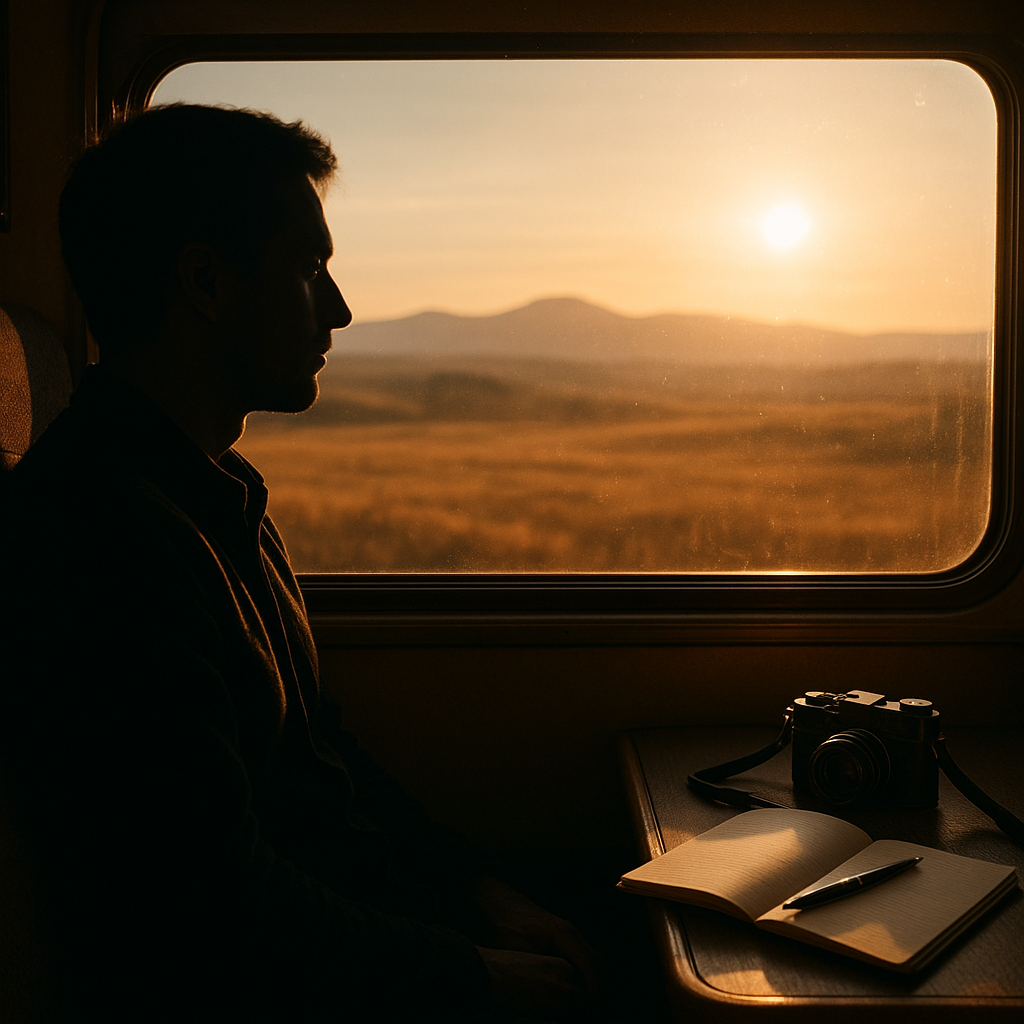
There’s something uniquely soothing about watching scenery transform gradually rather than appearing suddenly. Train travel offers a visual narrative that unfolds at human scale—you notice the shift from urban sprawl to suburbia, from farmland to forest, from plains to mountains.
This gradual transition has a grounding effect on our psychology. Research in environmental psychology demonstrates that exposure to natural landscapes, even viewed through a window, can lower cortisol levels and reduce blood pressure. A study published in the Journal of Environmental Psychology found that participants who viewed natural scenery experienced a 15% reduction in stress markers compared to those viewing urban environments.
Popular Routes for Scenic Therapy
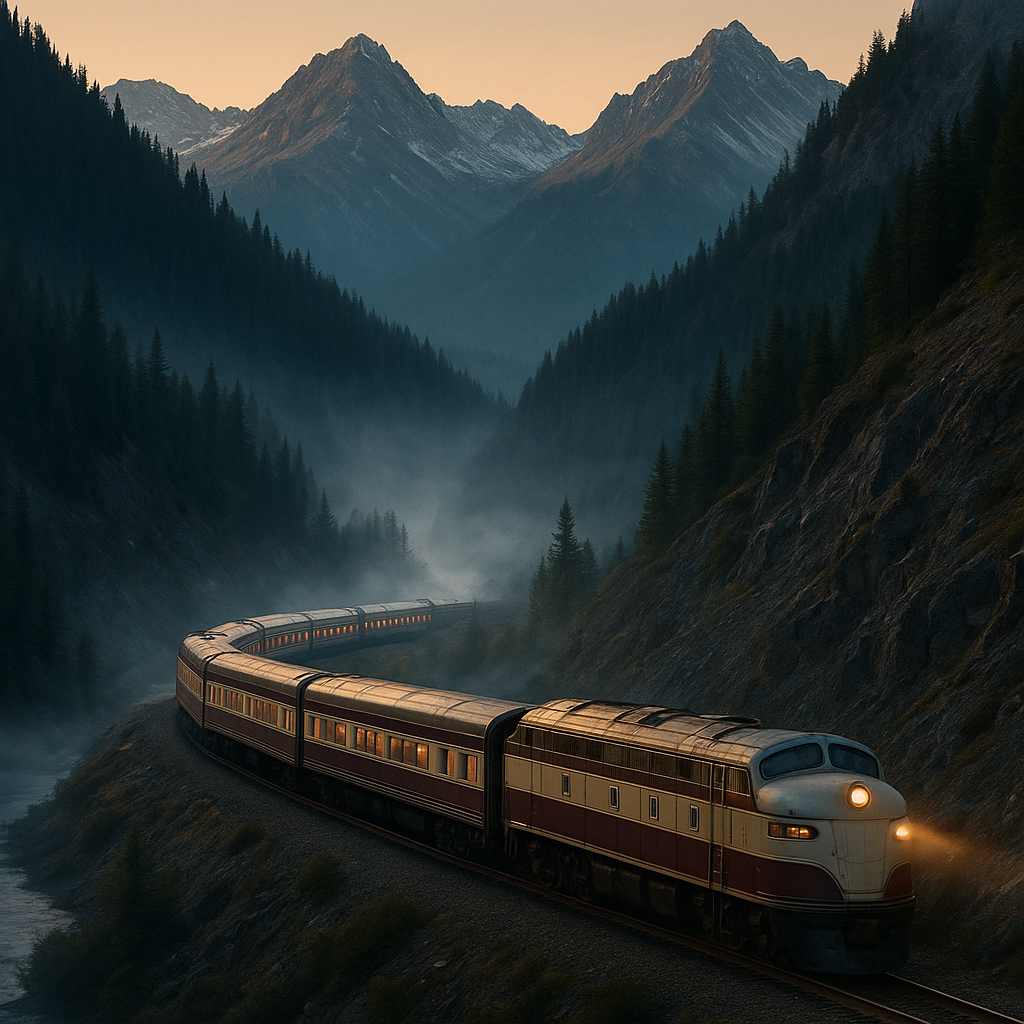
Certain train routes have become famous specifically for their therapeutic scenery. In North America, the California Zephyr route between Chicago and San Francisco takes passengers through the Rocky Mountains and Sierra Nevada, offering 52 hours of continuously changing vistas. The Coast Starlight, running along the Pacific coast, provides ocean views that many passengers describe as hypnotic.
For those seeking cross country train trips for seniors or anyone wanting a gentler pace, these routes offer the perfect combination of comfort and visual stimulation. The observation carriages on these services are designed specifically for landscape appreciation, with floor-to-ceiling windows and comfortable seating arranged to maximise views.
In the UK and Europe, routes like the West Highland Line in Scotland or Switzerland’s Glacier Express demonstrate that therapeutic train travel isn’t limited by geography—the principle remains the same wherever tracks wind through beautiful countryside.
The Social Dimension: Connection Without Pressure
Long distance train journeys occupy an interesting social middle ground. Unlike the enforced isolation of driving or the anonymous proximity of air travel, trains create opportunities for genuine human connection without obligation.
The shared experience of a long journey often breaks down social barriers. Dining carriages, observation lounges, and the simple fact of being fellow travellers for hours or days creates a temporary community. These interactions tend to be lower-stakes than other social situations—you’re unlikely to see these people again, which paradoxically makes many feel freer to be themselves. Understanding how trains shape personal travel stories reveals why these fleeting connections often become cherished memories long after the journey ends.
Research on loneliness and social connection suggests that even brief, positive social interactions can significantly improve mood and reduce feelings of isolation. Train travel provides these naturally, without the pressure of formal social events or the superficiality of social media interaction.
Practical Benefits That Support Wellbeing
Beyond the psychological effects, train travel offers practical advantages that contribute to reduced stress and improved mental health:
- No driving stress: You’re free from navigation, traffic, and the constant vigilance required behind the wheel
- Freedom of movement: Unlike planes or cars, you can stand, walk, and stretch whenever you wish
- No airport security theatre: Boarding a train is dramatically less stressful than modern air travel
- City centre to city centre: No lengthy transfers from distant airports
- Proper sleep: Sleeper carriages allow horizontal rest impossible in cars or economy plane seats
These practical elements remove many of the friction points that make other forms of long distance travel exhausting rather than restorative.
Using Train Journeys as Intentional Self-Care
To maximise the therapeutic benefits of long distance train journeys, consider approaching them as a form of intentional self-care rather than merely transportation:
Before You Board
Set an intention for your journey. This might be as simple as “rest” or as specific as “finish that novel I’ve been meaning to read” or “think through a difficult decision.” Having a loose purpose gives the journey structure without rigidity.
Pack mindfully. Bring materials that support relaxation—perhaps a journal, sketchbook, engaging but not stressful reading material, or photography equipment if capturing the journey brings you joy. The railway environment is particularly suited to creative pursuits that require sustained attention without intense concentration. If you plan to document your trip visually, understanding composition for railway photography can help you capture the meditative quality of the passing landscape without becoming overly focused on technical perfection.
During the Journey
Resist the urge to fill every moment with activity. Allow yourself periods of simply watching the landscape without documenting it or sharing it. The value lies in the experience itself, not in creating content about the experience.
Take advantage of the unique social environment. Strike up conversations in the dining carriage or observation lounge if you feel inclined, but equally, don’t feel obligated to be social. The beauty of train travel is that both solitude and companionship are available.
After Arrival
Many regular train travellers report a “journey afterglow”—a period of mental clarity and reduced stress that persists for days after a long train journey. Consider how you might preserve some of this state. Perhaps it’s maintaining a journalling practice started on the train, or simply protecting time for unstructured thinking in your regular routine.
Are Long Train Journeys Suitable for Everyone?
Whilst train travel offers numerous therapeutic benefits, it’s worth acknowledging that experiences vary. Those who struggle with being confined for extended periods might find very long journeys challenging, though the ability to move around the train mitigates this compared to other transport modes.
People with mobility considerations will find modern trains increasingly accessible, though it’s worth researching specific routes and services. Many operators now offer enhanced accessibility features and assistance for passengers who need it.
Cost is another consideration—long distance train travel, particularly in sleeper carriages, can be expensive. However, when viewed as combining transport, accommodation, and a form of retreat or therapy, the value proposition shifts considerably.
Conclusion
The therapeutic benefits of long distance train journeys extend far beyond simple transportation from point A to point B. The combination of rhythmic motion, changing landscapes, digital disconnection, and gentle social opportunity creates an environment uniquely conducive to mental restoration and reflection.
In an age characterised by constant connectivity, relentless productivity pressure, and increasingly fractured attention, train travel offers something precious: legitimate time and space for the mind to wander, process, and rest. The journey itself becomes not merely a means to an end, but a valuable experience in its own right—a moving meditation that leaves many passengers feeling more refreshed upon arrival than when they departed.
Whether you’re seeking respite from a stressful period, hoping to gain perspective on a difficult situation, or simply craving the increasingly rare experience of unstructured time, a long distance train journey might offer exactly the therapeutic pause you need. The tracks are waiting, the landscape is ready to unfold, and your mind might just thank you for the gift of simply watching the world go by.