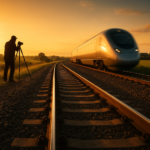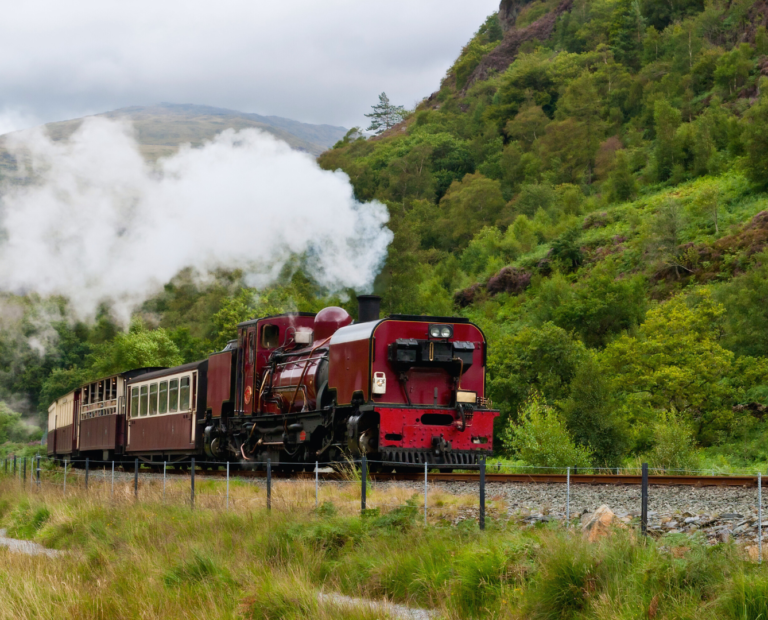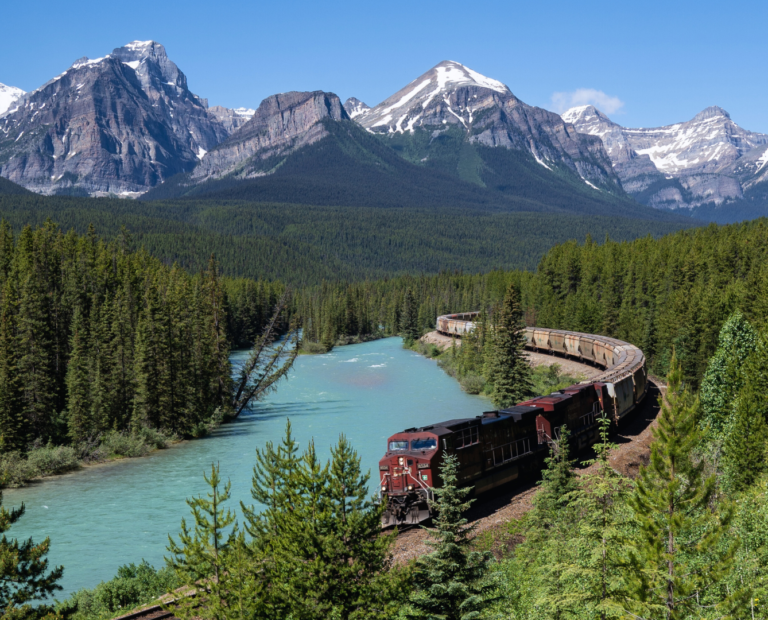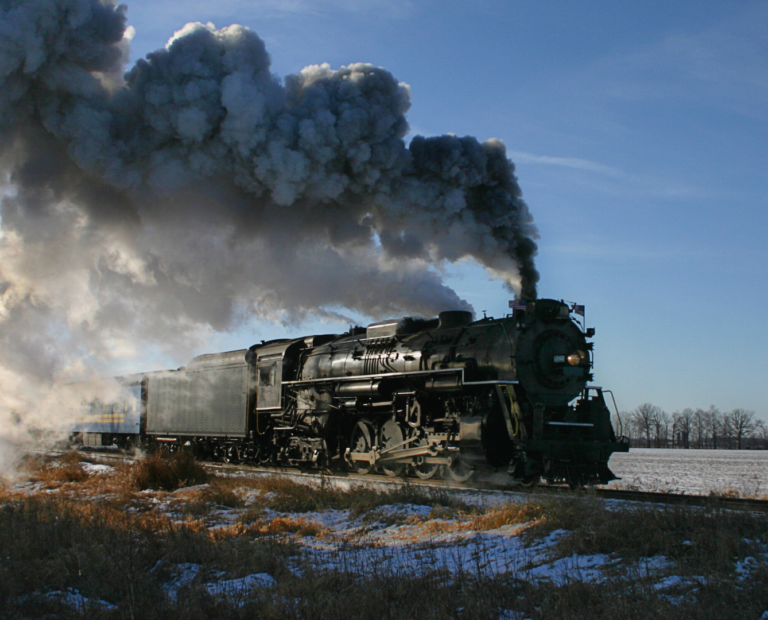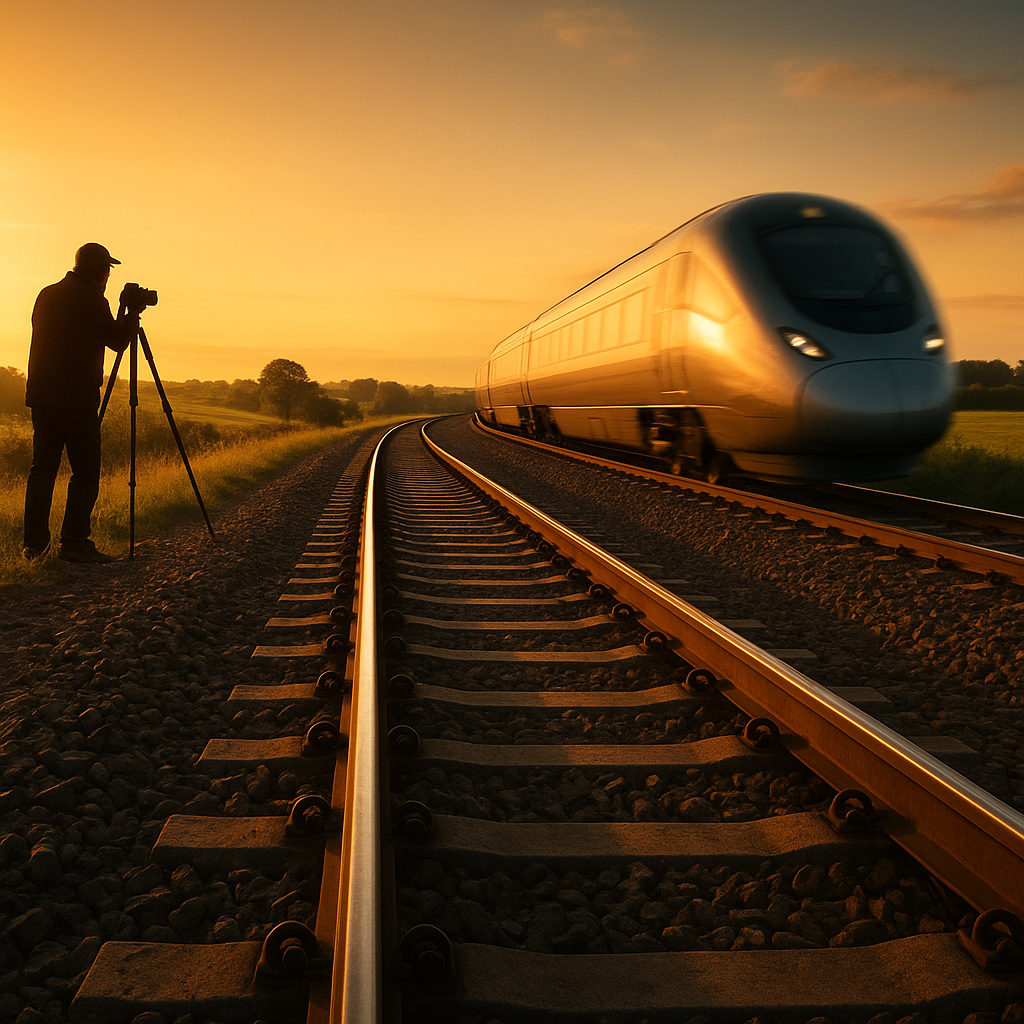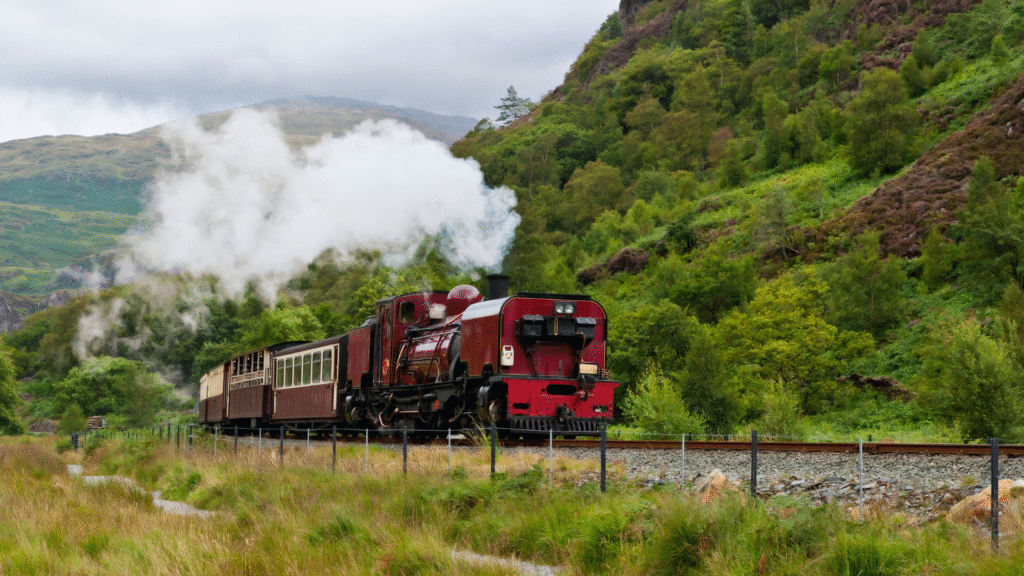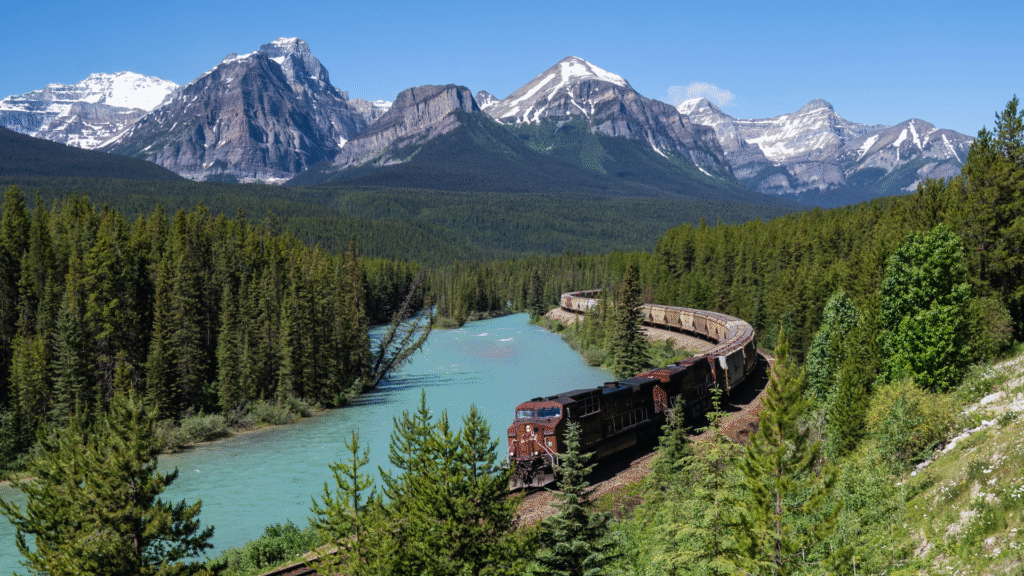

Photographing trains during sunrise and sunset offers a unique opportunity to capture the beauty of locomotives against stunning backdrops. The golden hour enhances the textures and colours of both the trains and their surroundings, creating visually striking images that are hard to achieve at other times of the day. Whether one is an experienced photographer or a beginner, the right lighting can transform ordinary train shots into extraordinary pieces of art.
Timing is crucial for this type of photography. The soft, warm light during these hours adds depth and dimension, making the trains stand out in a way that the harsh midday sun cannot. Selecting the right location and being aware of train schedules can greatly increase the chances of capturing the perfect shot while the light conditions are ideal.
In addition to technique, understanding composition can play a significant role in the outcome of these photographs. By incorporating elements such as tracks, signals, and landscapes, photographers can create dynamic scenes that tell a story about the trains and their environment. With patience and practice, anyone can master the art of photographing trains during these magical times of day.
Understanding Light and Time for Train Photography
Capturing trains during sunrise and sunset requires an appreciation of natural light and timing. Photographers should consider the characteristics of the golden hour and effectively prepare to maximise their opportunities.
Golden Hour Benefits
The golden hour, occurring shortly after sunrise and before sunset provides an ideal setting for train photography. During this time, sunlight appears softer and warmer, creating what is known as golden light.
Photographers can enhance their images by taking advantage of this light.
- Shadows are less harsh, allowing for better detail in the photographs.
- The warm tones can add depth and character to the landscape and trains.
This light condition enhances the overall aesthetics and helps capture the beauty of the scene effectively.
Preparing for Sunrise and Sunset
Preparation is essential for capturing trains at sunrise and sunset. Timing is crucial; photographers should be familiar with the local timetable for both trains and the sunrise/sunset times.
Checklist for Preparation:
- Arrive Early: This helps set up equipment without rushing.
- Scout Locations: Identify the best vantage points to catch trains in the optimal light.
- Adjust Camera Settings: Use lower ISO settings and consider aperture settings to enhance depth of field.
Monitoring weather conditions is also advisable. Overcast skies can lead to muted colours, while clear skies may yield vibrant sunsets. Being prepared ensures that photographers can adapt to changing conditions and capture compelling images.
Technical Aspects of Train Photography
Capturing trains during sunrise and sunset requires a solid grasp of specific technical elements. Key factors like shutter speed, aperture, and ISO settings play crucial roles in achieving sharp, dynamic photographs.
Mastering Shutter Speed
Shutter speed is vital for capturing the motion of trains. A faster shutter speed (1/500 sec or faster) freezes the action, eliminating motion blur. This is essential when photographing fast-moving trains, particularly during golden hour light.
For slower-moving trains or during panning shots, a slower shutter speed (1/125 sec) can create a sense of motion. This technique allows the background to blur while keeping the brain sharp. Photographers should experiment with different speeds to find the right effect for their vision.
Aperture and Depth of Field
The aperture controls the amount of light entering the camera and affects the depth of field. A wider aperture (e.g., f/2.8) creates a shallow depth of field, isolating the train from the background. This effect is useful when aiming to highlight specific details.
Conversely, a smaller aperture (e.g., f/8) increases the depth of field, keeping more of the scene in focus. This setting is beneficial for landscape photography, where both the train and its surroundings should be equally sharp. Balancing aperture with other settings is crucial for optimal exposure.
ISO and Noise Management
ISO determines the camera’s sensitivity to light. A higher ISO (e.g., 800-1600) is essential in low light conditions often experienced during dawn or dusk. However, using a high ISO can introduce noise, which detracts from image quality.
To manage noise, photographers should strive for the lowest ISO possible for the given light conditions. They can also consider noise reduction techniques in post-processing for better outcomes. Maintaining a balance between ISO, shutter speed, and aperture ensures clear, high-quality images of trains at twilight.
Composition and Perspective Techniques
Effective composition and perspective are crucial for capturing compelling images of trains during sunrise and sunset. Techniques such as the Rule of Thirds, exploring various vantage points, and capturing symmetry and leading lines can enhance the quality of the photographs.
Incorporating the Rule of Thirds
The Rule of Thirds is a foundational principle in photography that encourages visually engaging compositions. When photographing trains, the photographer can imagine a grid dividing the frame into nine equal parts. Placing the train or its tracks along these lines or at the intersections can create a more dynamic image.
For instance, positioning the horizon along the top or bottom third can also add depth. Incorporating elements such as trees or buildings within the remaining grid lines can further enhance the scene. This technique promotes balance and focuses the viewer’s attention on the locomotive.
Exploring Vantage Points
Vantage points significantly influence the perspective and mood of an image. Photographers should experiment with various height and distance options to find the most compelling angles. Shooting from a lower angle can dramatise the train’s size, while a higher vantage point can reveal the surrounding landscape.
Additionally, approaching the tracks from different distances can change the composition. A close-up perspective emphasises details of the train, while a wider shot captures its entry into the environment. Using foreground elements, like wildflowers or grasses, can also lead the viewer into the scene.
Capturing Symmetry and Lines
Trains and tracks naturally lend themselves to symmetry and leading lines. Photographers can use these features to create a sense of harmony. Aligning the train with the track can lead the viewer’s eye through the composition, enhancing the overall impact.
Incorporating symmetrical elements—such as bridges or tunnels—can provide balance in the photograph. Lines created by the tracks can also draw attention to the train, leading to greater viewer engagement. This technique works particularly well during the golden hour, as the warm light accentuates these features, enhancing the photograph’s visual appeal.
Legal and Ethical Considerations
Photography of trains during sunrise and sunset requires awareness of legal and ethical factors.
Private Property: Many railway lines are situated on private land. Photographers should obtain permission to photograph on private property. Trespassing can lead to legal repercussions.
Commuter Trains: These trains operate in populated areas. Safety is paramount; photographers should avoid obstructing tracks or causing distractions. This ensures the safety of both the photographer and commuters.
Railroad Photography: While many photographers capture images from public areas, they must respect signage and rules set by railway companies. It is crucial to adhere to any restrictions posted near tracks.
Ethical Practices: Photographers should promote ethical behaviour by respecting the environment and minimising their impact. They should avoid leaving litter and should not disturb wildlife or local communities.
Respecting Privacy: Capturing individuals in photographs, especially in urban settings, must be approached with caution. It is advisable to seek consent where possible to respect privacy rights.
Use of Drones: If considering aerial photography, check local regulations regarding drone usage around railways. Many areas have strict no-fly zones near train tracks.
Awareness of these considerations ensures a responsible approach to railroad photography, fostering a safe and respectful environment for all.