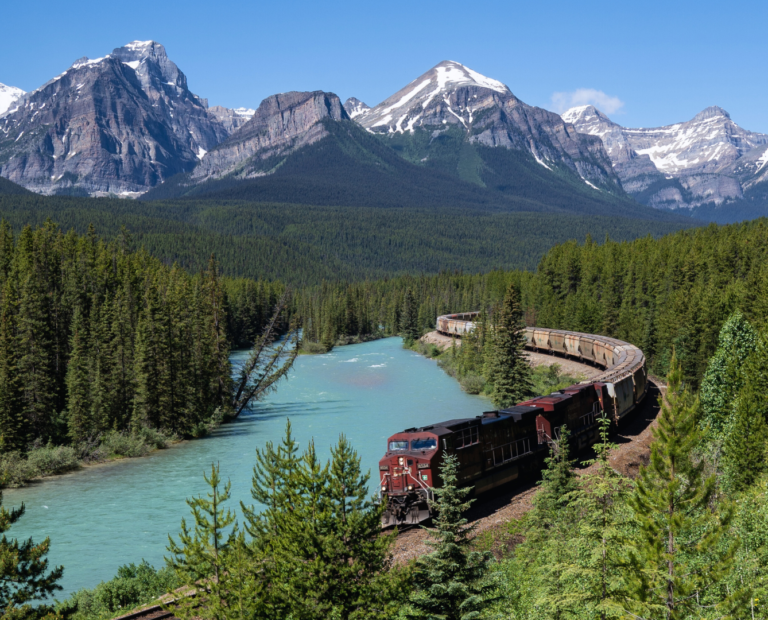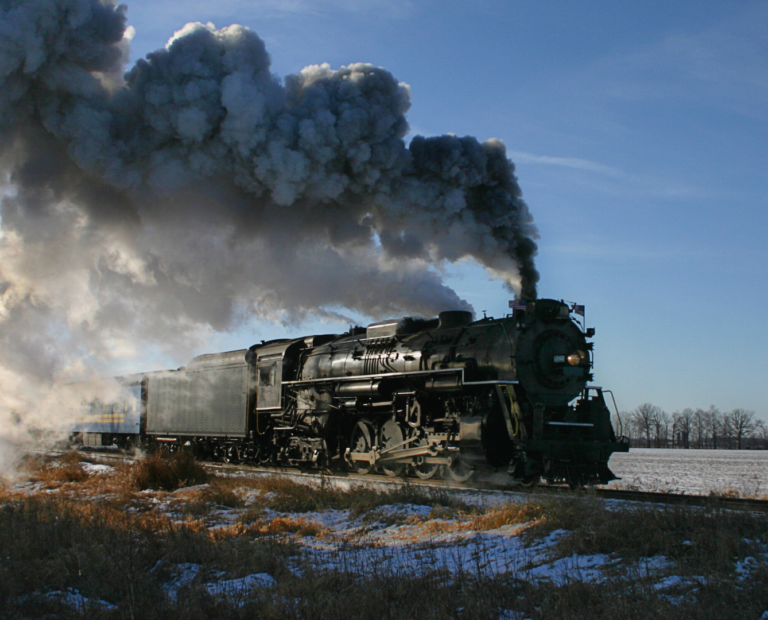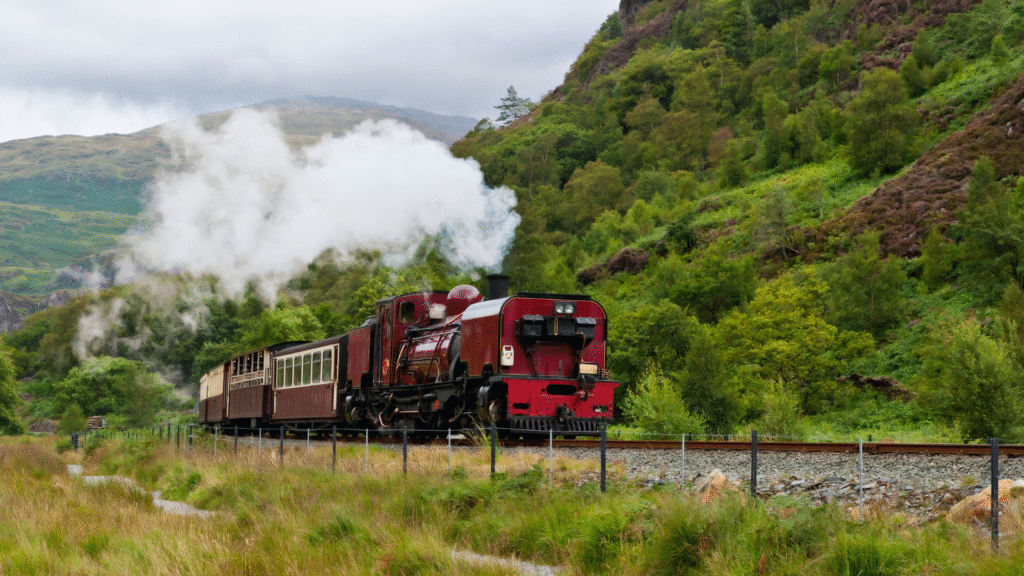
A day at a railway museum offers a chance to explore the history and technology of trains through well-preserved locomotives, carriages, and interactive exhibits. Visitors often encounter detailed displays explaining the evolution of rail transport, alongside opportunities to see vintage engines up close.
Visitors can expect a mix of educational and hands-on experiences that appeal to both enthusiasts and casual visitors. Many museums feature rides on heritage trains, workshops, and guided tours that bring the railway’s story to life in an engaging way.
The atmosphere is usually a blend of nostalgia and discovery, making it suitable for all ages. Whether interested in engineering, history, or simply a unique day out, a railway museum provides a clear window into a significant part of industrial heritage.
Essential Information for Planning Your Visit
Visitors should prepare by checking the museum’s hours, admission fees, and location details. Understanding the rules and available facilities can make the experience smoother and more enjoyable.
Opening Times and Museum Admission
The National Railway Museum in York is typically open daily from 10:00 AM to 5:00 PM, with last entry around 4:15 PM. These hours may vary on public holidays or for special events, so checking the official website before visiting is advised.
Admission to the museum is generally free, but some special exhibitions or events may require tickets. Donations are welcome to support the museum’s preservation work and ongoing displays. Family tickets and group rates are sometimes available for special events.
Location and Accessibility
The museum is located in York city centre, within walking distance of York railway station. It is easily accessible by public transport, car, and taxi. Parking is available nearby but may require a short walk to the entrance.
Accessibility features include ramps, lifts, and accessible toilets to accommodate visitors with mobility challenges. Assistance dogs are allowed, and wheelchairs can be hired on site, subject to availability.
Visitor Guidelines and Facilities
Visitors should follow the museum’s guidelines to protect exhibits and ensure safety. Photography is usually permitted, but flash photography and tripods are often restricted, especially near delicate items.
Facilities include a cafe, gift shop, and toilets throughout the site. Lockers and baby changing rooms are also available. Staff are on hand to offer information and support during the visit.
Highlights and Must-See Exhibits
A day at a railway museum offers visitors a chance to see historic locomotives, engage with hands-on exhibits, and explore detailed collections of railway memorabilia. Guests can expect a blend of large-scale engines, interactive learning spaces, and fascinating model railways.
Iconic Locomotives and Carriages
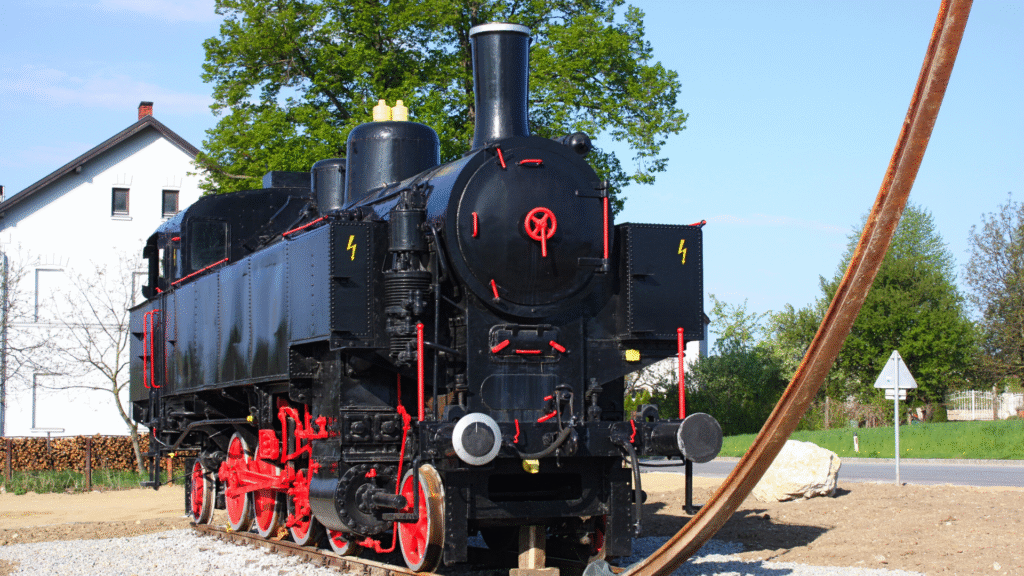
Visitors can admire steam locomotives such as the Flying Scotsman and the Mallard, famous for its world speed record. These engines are often displayed in the station hall or central hall, where their size and engineering details can be studied up close.
Some museums also feature the Japanese bullet train, offering a glimpse into modern railway technology. Authentic carriages and early railway vehicles give insight into the passenger experience of past eras.
Interactive Displays and Activities
Interactive displays, like those in the Wonderlab section, provide hands-on opportunities to understand railway mechanics. Visitors can operate simulators, manage signal boxes, and control model railways, enriching the educational experience.
Children often enjoy Thomas the Tank Engine exhibits, celebrating the work of Wilbert Awdry. These displays combine storytelling with physical interaction, making railway history accessible to younger audiences.
Railway Memorabilia and Model Railways
The museums showcase extensive collections of railway memorabilia, including vintage tickets, uniforms, tools, and advertising posters. These items illustrate the social and economic impact of rail travel.
Model railways offer detailed recreations of famous routes, including historical and modern scenes. They often serve as a focal point in dedicated exhibition rooms, demonstrating the skill and passion of railway enthusiasts.
Exploring Railway History and Education
Visitors gain insight into the evolution of railways and discover educational offerings that engage different audiences. The focus is on factual displays and interactive learning experiences.
Journey Through Railway History
Railway museums, such as the East Anglian Railway Museum, display artefacts from the early days of rail transport to modern developments. Exhibits often include vintage locomotives, carriages, and signalling equipment.
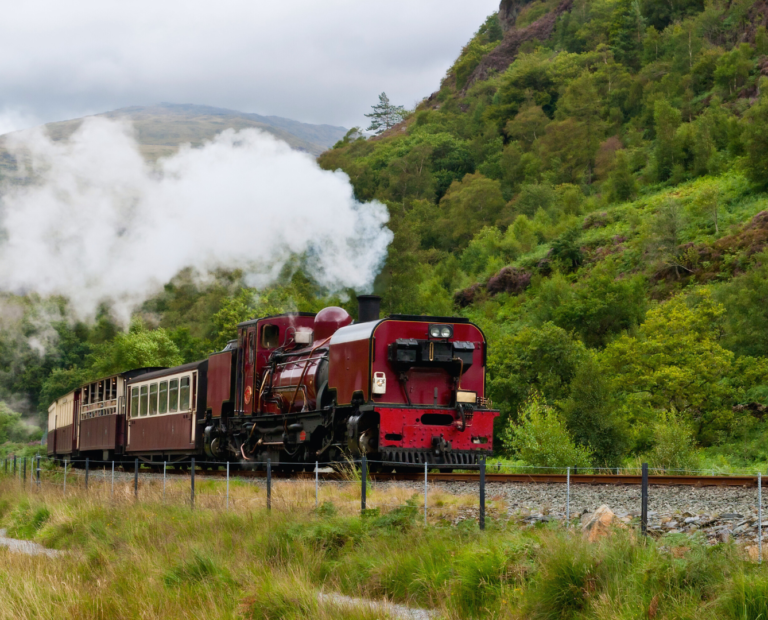
Special attention is given to narrow-gauge railway museums, where smaller railway lines and their unique engineering are showcased. Information panels explain technological advances and the impact of railways on regional economies and travel habits.
Train enthusiasts appreciate detailed explanations of steam, diesel, and electric traction. Many museums feature authentic railway architecture and preserved tracks to immerse visitors in the operational history of railways.
Educational Programmes and Events
Railway museums provide educational programmes tailored to schools, families, and specialised groups. Workshops often cover railway safety, mechanical principles, and the social history of railways.
Events such as guided tours, talks by historians, and steam days offer hands-on learning opportunities. Museums frequently collaborate with railway preservation societies to enrich these experiences.
The educational focus also includes the environmental role of railways and their contribution to industrial heritage. Programmes are designed to support curriculum learning and encourage interest in engineering and history careers.
Dining, Shopping, and Making the Most of Your Day
Visitors can find several options for refreshments and meals, along with unique shopping opportunities that enhance the experience. There are practical spots to eat and rest, as well as chances to take home railway-related items or support the museum through donations.
On-Site Cafés and Picnic Spaces
Many railway museums offer cafés serving hot and cold beverages, sandwiches, and light snacks. These cafés are often located in historic station buildings or purpose-built areas, providing a comfortable place to pause.
Picnic areas are usually available outdoors, with tables near the exhibits or green spaces. Visitors may bring their own food if preferred, allowing flexibility for families and groups.
Gift Shops and Souvenirs
Gift shops typically stock a range of railway memorabilia, including model trains, books, clothing, and vintage-style posters. These items reflect the museum’s focus and provide meaningful keepsakes.
Some museums also encourage donations through special initiatives or by offering limited-edition items. Proceeds help maintain the exhibits and support restoration projects.