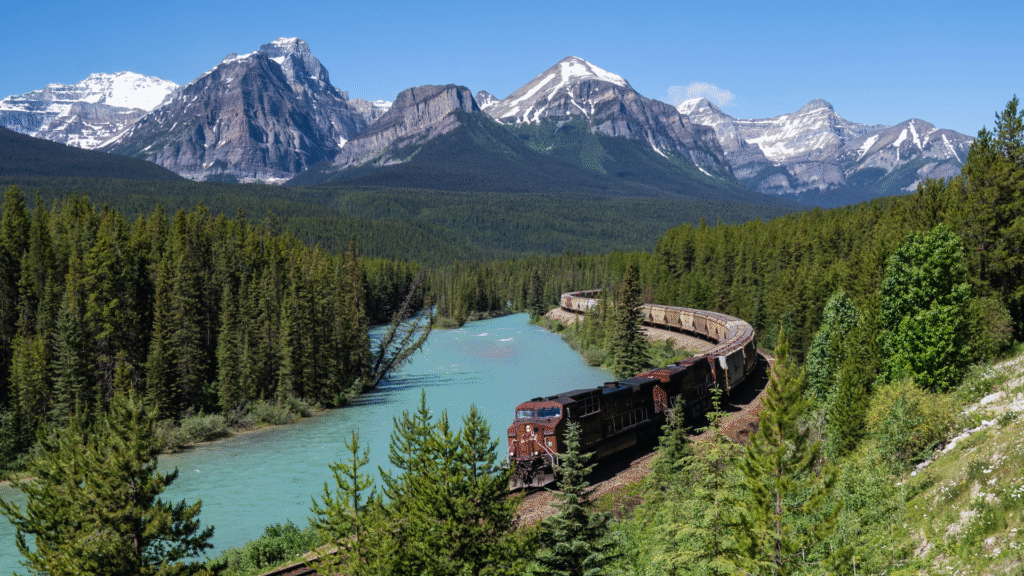
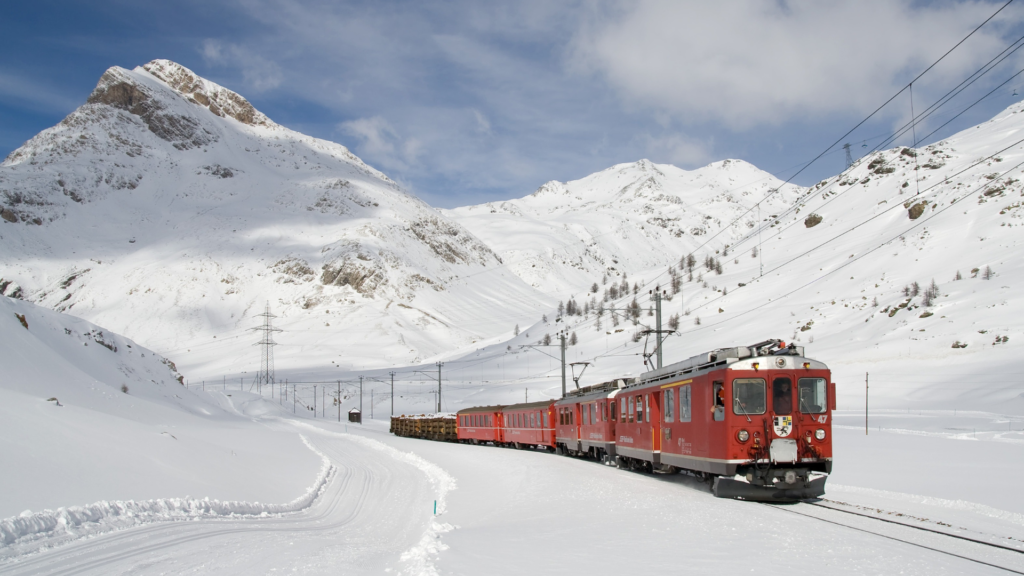
Train travel has long inspired artists, capturing the romance and adventure of journeys by rail. As people rediscover the joys of exploring the world post-pandemic, this art form has taken on renewed significance. Artistic expressions of rail travel not only celebrate its cultural importance but also contribute to the economic recovery by promoting tourism and local communities.
From paintings and photography to literature and music, the impact of trains on creativity is profound. Artists reflect on both the historical significance of railways and their modern role in fostering connections between regions. In an era where travel has transformed, the celebration of this mode of transport through art serves as a reminder of the stories and experiences that shape our society.
As communities aim to reinvigorate their local economies, the intersection of rail travel and art can play a vital role. Engaging with artistic interpretations invites a fresh perspective on the landscapes traversed by trains and encourages a deeper appreciation for the journeys taken. This celebration of train travel through art represents a fusion of nostalgia and modernity, paving the way for new adventures.
Railways in the British Landscape
British railways have played a pivotal role in shaping the country’s landscape, both historically and in contemporary settings. This section explores the historical significance of British railways and their modern infrastructure within the picturesque backdrops of the UK.
Historical Significance of British Railways
The development of railways in Britain dates back to the early 19th century, transforming transport and communication. The first regular passenger service began in 1825, linking Stockton and Darlington.
Key landmarks:
- Glenfinnan Viaduct: An iconic structure in Scotland, celebrated for its architectural splendour.
- St Michael’s Mount: Visible from various railway lines in Cornwall, offering stunning views.
These routes connected urban centres like London to rural regions, boosting both commerce and tourism. Cities flourished, while isolated areas became more accessible, showcasing landscapes from the Yorkshire Coast to the Norfolk Coast.
Modern Railway Infrastructure
Today, British railways continue to evolve through initiatives like the Railway Upgrade Plan. This programme aims to enhance capacity, reliability, and sustainability across the network.
Sorted enhancements include:
- Upgrading existing tracks and signals
- Introducing high-speed trains
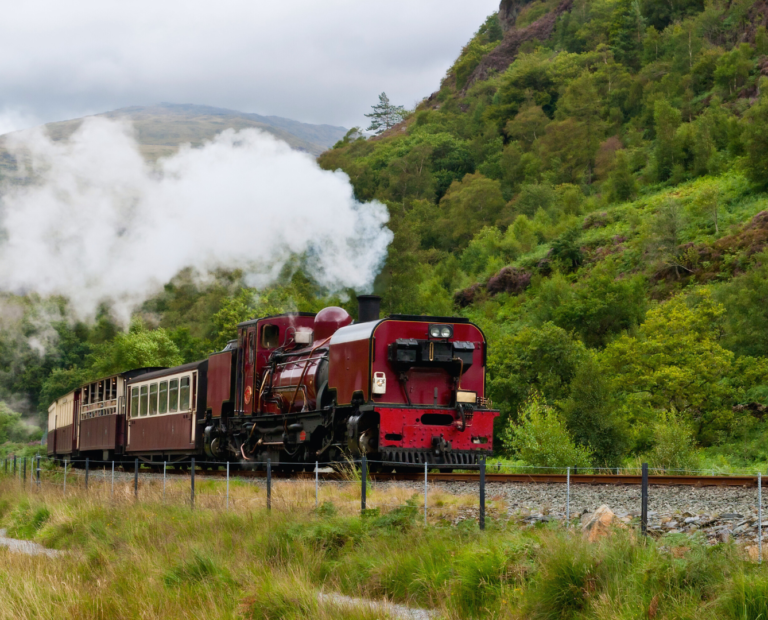
Regions such as North Yorkshire and Wales benefit from modern services that connect picturesque landscapes with urban life. Scenic routes, deep within the scenic Drumochter Pass, attract tourists. Railways remain integral to Britain’s identity, reflecting both heritage and progress.
The Intersection of Art and Train Travel
Train travel has inspired countless artists, serving as a backdrop for their creativity. The scenic routes and diverse destinations provide a unique canvas for expression, reflecting the beauty and culture of the regions traversed.
Train Travel as a Muse for Artists
Many artists find inspiration in the rhythm and movement of trains. The journey itself evokes emotions that can be transformed into visual narratives. Works like Chester Sunset capture the colours of the sky as viewed from a train window, showcasing a moment that resonates with those familiar with rail journeys.
Artists often depict iconic locations such as Edinburgh Castle, framing them against the backdrop of train travel. This juxtaposition highlights the relationship between landscape and movement, emphasising the freedom and adventure associated with exploring new places.
Showcasing Destinations Through Art
Destinations play a pivotal role in the art inspired by train travel. Creatives like those behind London Is My Cup of Tea illustrate urban life and charm, celebrating the vibrancy of cityscapes. These pieces often infuse local culture and character, making the art more accessible to viewers.
The serene beauty of coastal regions is captured in works like By the Sea in Suffolk. These pieces transport the audience to specific locales, evoking a sense of place and inviting exploration. The interplay between artwork and location enhances appreciation for both the journey and the destination.
Supporting Artistic Talent and Community Engagement
Train travel inspires creativity and fosters community connections. Several initiatives focus on nurturing artistic talent and engaging audiences with railway-themed art.
Promoting the Next Generation of Artists
Programs aimed at young creatives are essential for sustaining artistic innovation. The “Next Generation of Artists” initiative encourages submissions from emerging talent, inviting artists to express their unique perspectives on train travel.
This programme provides a platform for showcasing artwork, featuring themes related to the railway. Key Workers are often highlighted, acknowledging their contributions during challenging times. The initiative culminates in a public exhibition where the Top 20 Winners are displayed, gaining visibility and opportunities for future projects.
Support from respected figures like Sir Peter Hendy CBE further amplifies this initiative, guiding young artists and providing mentorship opportunities.
Art Initiatives by Network Rail and the National Railway Museum
Network Rail and the National Railway Museum have developed collaborative art projects that enhance public spaces. These initiatives often feature striking installations that capture the essence of train travel.
Exhibitions like “Wish I Was There” invite artists to explore nostalgic themes associated with rail journeys. The projects engage communities by creating environments where art meets transport.
Such efforts not only beautify stations but also serve educational purposes, inviting visitors to learn about the railway’s history. The integration of local artists ensures that these initiatives resonate with the community, thereby fostering a deep connection between art and train travel.
Artistic Responses to Rail Travel During and After the Pandemic
Art has emerged as a powerful medium to reflect on the experience of rail travel during and post-pandemic. Creative expressions highlight the significance of railways and the dedication of key workers while addressing economic and cultural recovery.
Commemorating the Role of Railways and Key Workers in the Pandemic
Artists have paid tribute to key workers through various forms of visual art, photography, and literature. Their work often captures the emotions tied to lockdown experiences and the essential role of railways in maintaining connectivity.
Projects like Railway 200 have showcased artworks depicting frontline workers, celebrating their contributions while emphasising the importance of train services. Exhibitions held along railway lines illustrate scenes of resilience, featuring artists who draw inspiration from the everyday journeys of those who kept the system running.
Rail Travel’s Contribution to the Economic and Cultural Recovery
Post-pandemic, rail travel is seen as vital for economic revitalisation. Artists have documented how trains connect communities and facilitate cultural exchange, fostering a sense of unity.
Exhibitions focusing on rail travel’s impact highlight stories of passenger journeys that sustained local economies during challenging times. Collaborative artworks often reflect the themes of recovery, hope, and renewed appreciation for railway systems as they play a critical role in re-establishing cultural vibrancy.