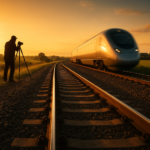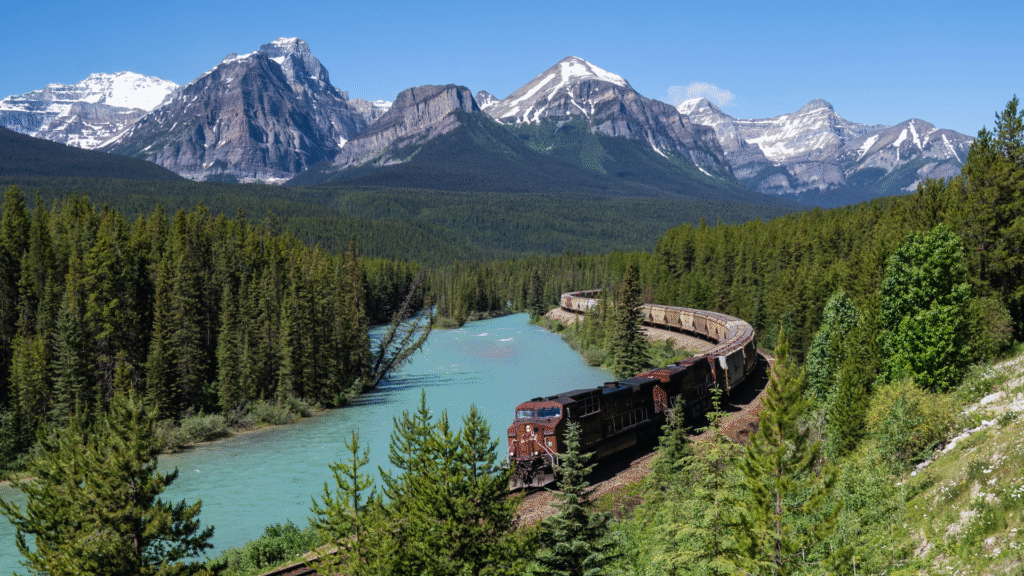

Train watching can be a rewarding hobby, but it requires attention to safety to ensure an enjoyable experience. Enthusiasts often find unique satisfaction in observing different locomotives, but being aware of surroundings and rules is essential.
To safely enjoy a day of train watching, individuals should always stay in designated viewing areas, respect railway property boundaries, and remain alert to train movements. Using proper equipment and planning the visit can enhance the experience while minimising risk.
By combining caution with preparation, train watchers can fully appreciate the activity without putting themselves or others in danger. Understanding these basic principles is key to a safe and memorable outing.
Essential Safety Guidelines for Train Watching
Train watching can be rewarding if done safely. Awareness of legal access, physical risks near tracks, and the meaning of railway signage are crucial for protecting both railfans and trains.
Staying Within Legal Boundaries
Railfans should always respect property laws. Watching trains from public viewpoints, designated platforms, or officially approved observation areas is vital.
Trespassing on railway property or crossing tracks unlawfully can result in fines, arrest, or worse. Many railway companies post clear “No Trespassing” signs along their lines.
Using public footpaths, bridges, or parks adjacent to tracks ensures legal compliance. Permission is required for private land, and railfans must seek this before entering.
Avoiding Trackside Dangers
Train tracks are hazardous zones. Railfans must never step onto rails, sleepers, or ballast under any circumstances.
Trains can approach silently and swiftly. Keeping a minimum distance of three metres from any track is recommended to avoid accidental contact or debris hazards.
Always stay alert. Avoid distractions such as headphones or mobile phones when near active tracks.
Wear visible clothing, especially during low light. This helps train crews and others to spot observers well in advance.
Understanding Railway Signage
Railway signs provide essential information and warnings. Railfans should familiarise themselves with common signals like stop, caution, and speed restrictions.
Signs can be metal plates, coloured lights, or painted markings on sleepers or posts beside the track.
Ignoring or misinterpreting these signs can lead to danger, such as inadvertently entering restricted zones or misjudging train speed.
Learning signal basics aids safe positioning and communication awareness alongside the rail network.
Planning Your Train Watching Experience
A successful train watching day depends on good preparation. Knowing when and where trains appear, bringing the right gear, and checking the weather all help railfans enjoy their time safely and comfortably.
Researching Train Schedules and Hotspots
Railfans should start by identifying key locations where trains frequently pass or stop. These include popular stations, junctions, or scenic stretches of track known for freight or passenger trains.
Using websites or apps from local rail companies helps to track real-time train schedules. This allows planning around peak times for seeing diverse trains, such as heritage steam locomotives or busy commuter services.
Joining online railfan forums or social media groups can provide insider tips on the best current viewing spots and times. Detailed maps with railway lines and access points ensure safe and legal viewing locations.
Packing Appropriate Equipment
Bringing the right equipment can greatly enhance the experience and safety of train watching. Essential items include binoculars for distant viewing and a camera with zoom capability for capturing detailed shots.
Comfortable clothing, sturdy shoes, and a hat are necessary for spending hours outdoors near railway lines. A high-visibility vest is recommended when close to tracks to ensure rail safety.
Additional useful items are a notebook for logging train details, spare batteries, and a water bottle. Railfans should avoid bringing anything that may obstruct walkways or risk damaging sensitive equipment.
Considering Weather and Visibility
Weather conditions significantly affect comfort and visibility during train watching. Overcast or rainy days can reduce lighting, making it harder to see train details or take clear photos.
Checking local weather forecasts before leaving helps railfans dress appropriately and pack rain gear if necessary. Early morning or late afternoon light often provides the best visibility and colour for viewing trains.
Wind can cause dust or debris near tracks, so protecting eyes and cameras is important. Visibility can also be affected by fog or mist; if poor, focus on locations with close-range viewing points to maintain safety.
Best Practices for Enjoying Train Watching
Train watching is a rewarding hobby when approached with safety and respect. Knowing where to position oneself, staying alert to surroundings, and interacting politely with others enrich the experience.
Selecting a Safe Viewing Location
Railfans should prioritise locations away from active tracks and private property. Public viewing platforms, parks, or designated train watching spots are ideal. Avoid climbing on embankments or standing near the rails.
It is important to check local regulations before entering any rail area. Some locations have restricted access for safety and security reasons. Bringing a map or using apps to find approved spots can prevent accidental trespassing.
Weather conditions and terrain should be considered. Uneven ground and poor visibility can make spots unsafe during rain or fog. A stable, well-lit area ensures better comfort and safety while waiting for trains.
Maintaining Awareness and Respect for Others
Staying aware means watching for oncoming trains and following safety signs. Railfans must never cross tracks except at marked crossings. Loud noises or sudden movements near trains can be dangerous.
Respecting other visitors or locals means keeping noise levels low and avoiding blocking pathways. Using cameras or binoculars carefully prevents interference with others’ views. Children should be supervised closely to prevent accidents.
Railfans should also avoid leaving litter behind. Taking rubbish with them keeps sites clean and welcoming. This responsible behaviour supports continued access to public train watching locations.
Engaging with Fellow Railfans
Railfans often benefit from sharing information about train times and spotting tips. Friendly, polite conversation can enhance the experience without disturbing others nearby. Exchanging contact details or joining local railfan groups fosters community.
It is key to respect differing levels of knowledge and avoid dominating discussions. Offering help or asking questions politely encourages positive interactions. Many railfans enjoy photographing or recording trains together, but cooperation is essential.
When using social media or forums, sharing accurate information is important. This helps maintain trust and safety within the railfan community.
Maximising Enjoyment and Preserving Memories
Enjoying a day watching trains involves more than just observing; it requires thoughtful actions to secure lasting memories safely. Capturing images, recording details, and engaging with experienced railfans all add value without disrupting the experience.
Capturing Photographs Responsibly
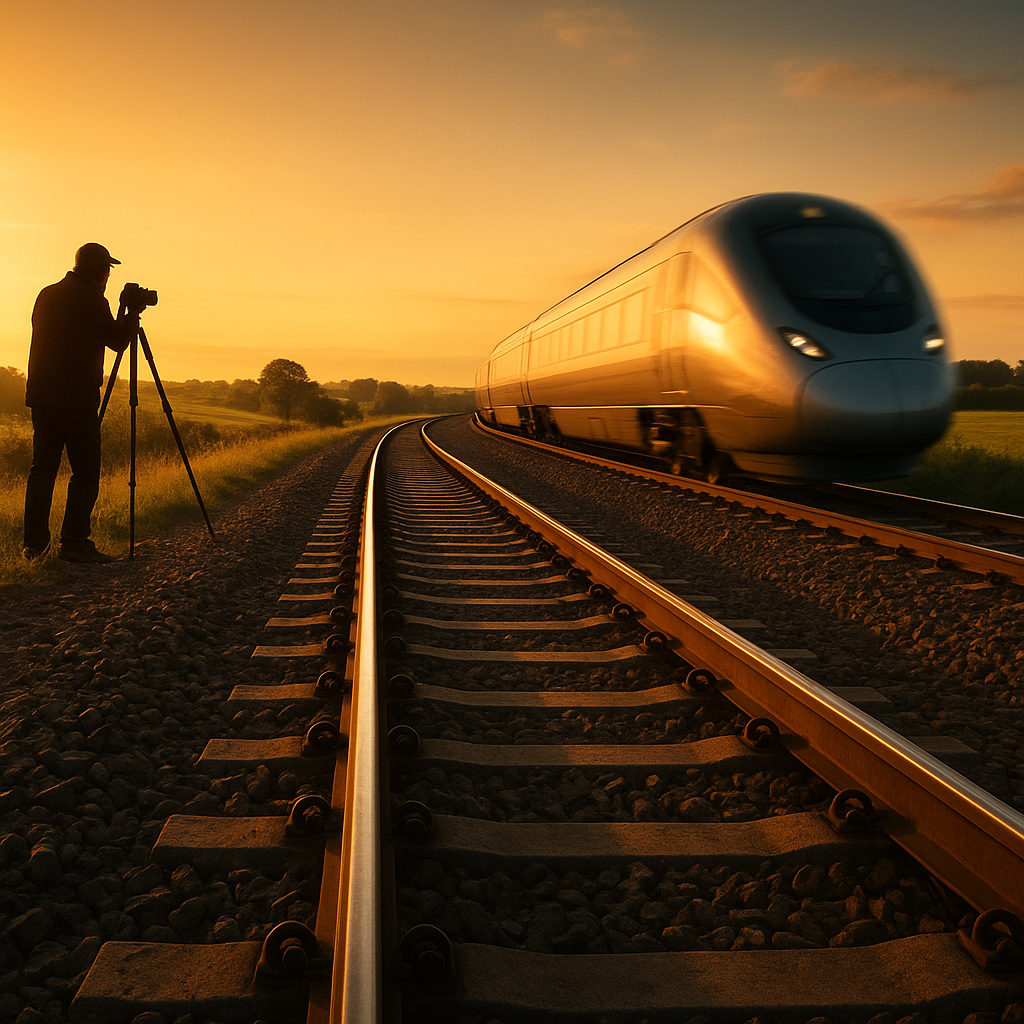
Photographs of trains should always be taken with respect for safety and private property. Railfans must stay clear of tracks, avoid trespassing, and position themselves in designated public areas or viewpoints.
Using a camera with a good zoom lens allows capturing trains from a safe distance. Early morning or late afternoon light can enhance photo quality, reducing harsh shadows. Avoid using flash directly at trains, as it can distract drivers.
Carrying a lightweight tripod or stabiliser improves image sharpness without obstructing pathways. It is essential to respect other observers by sharing spaces and not blocking popular shooting spots. Sharing photos online can help connect with others if consent is considered.
Documenting Your Sightings
Keeping a detailed log of trains seen enhances enjoyment and builds a useful record. Railfans often use notebooks or mobile apps specifically designed for train sightings to note the type, number, time, and location of each observation.
Include details such as the train company, locomotive model, and any unique features or markings. This information assists in recognising patterns and can be valuable for tracking historical or rare trains.
Columns in a simple table format might include:
| Date | Time | Train Type | Locomotive No. | Location | Notes |
| 2025-09-01 | 14:30 | Freight | 47821 | Newcastle | Bright red livery |
Regular updates to this log after outings help maintain accurate records and encourage deeper interest.
Learning from the Railfan Community
Joining forums, social media groups, and local railfan clubs expands knowledge and safety awareness. Experienced members often share tips on the best locations, upcoming train schedules, and legal guidelines.
Workshops or meet-ups teach proper etiquette and photography skills. Engaging with others also helps reinforce safe behaviours around tracks and trains.
Many communities publish newsletters or online content about recent sightings and changes in railway operations. Subscribing to these sources keeps railfans informed and connected to others who share their interest.
Participation in the railfan community encourages responsible observation and fosters a supportive environment.