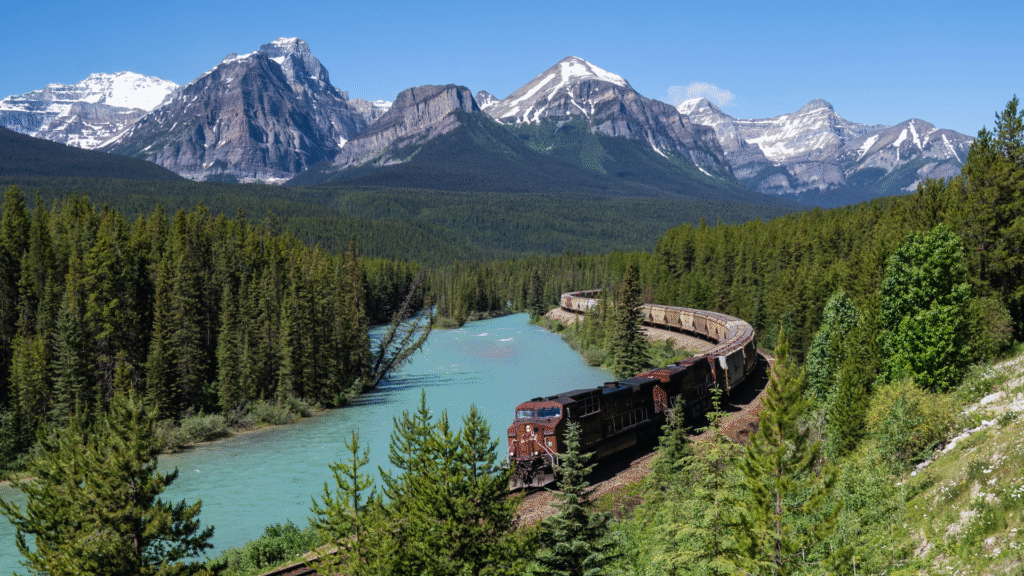
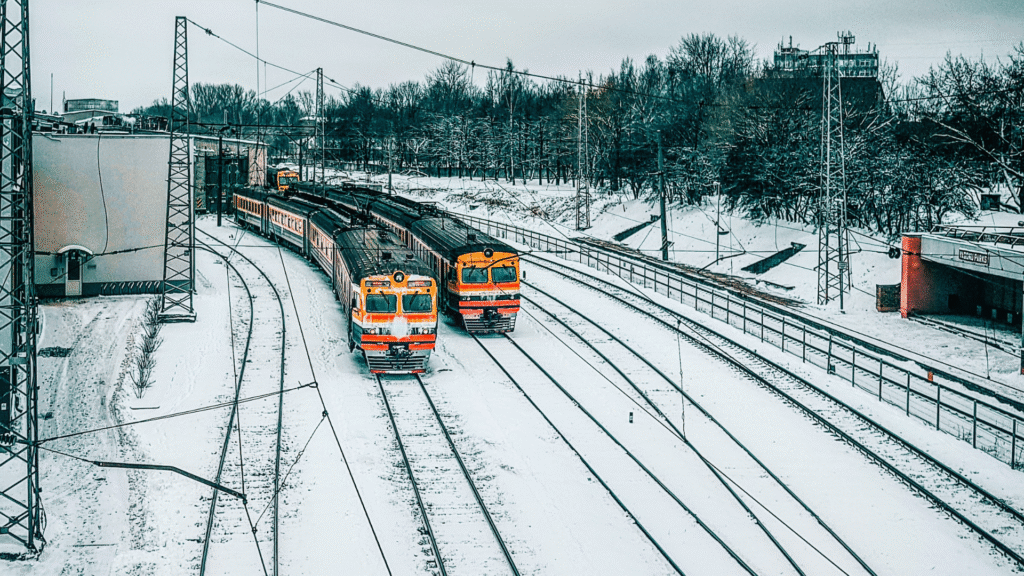
Weather plays a crucial role in shaping the quality and mood of train photography. Different conditions like sunlight, clouds, rain, and fog can dramatically alter the colours, contrast, and atmosphere in an image. Understanding how the weather influences these factors helps photographers anticipate and capture the best possible shots.
Bright sunlight can create striking reflections and sharp details, but harsh light often leads to unwanted shadows. Overcast skies tend to produce even lighting and richer colours, while rain and mist add texture and a sense of motion or mystery to the scene.
Photographers who learn to work with varying weather can turn challenges into creative advantages. This article explores how weather conditions impact train photography outcomes and offers practical tips for adapting accordingly.
Key Weather Elements Influencing Train Photography
Certain weather conditions greatly affect exposure, sharpness, and overall image quality when photographing trains. Photographers must consider how moisture, temperature, and severe weather impact both equipment and the final photo.
Impact of Heavy Rain on Image Quality
Heavy rain introduces multiple challenges for train photography. Raindrops on the lens can create blurring and unwanted water spots, reducing image clarity. Moisture in the air causes light diffusion, which softens contrast and colours.
Photographers often need weather-sealed cameras and lens hoods to protect equipment from water damage. Settings may require adjustments, like higher ISO and faster shutter speeds, to compensate for lower light levels. Rain also affects track reflections and can add dynamic atmosphere, but controlling clarity remains critical.
Effects of Extreme Cold and Frost
Extreme cold causes condensation issues when moving between temperatures, risking lens fogging. Frost on surfaces can add texture but may also obscure fine details on trains or tracks. Battery performance typically decreases, requiring spares or insulated storage.
Cold weather can produce clear, crisp lighting with low humidity, enhancing sharpness and colour saturation. Photographers must wear gloves that allow camera operation and monitor exposure to prevent underexposed images from dim winter light.
Challenges Presented by Extreme Weather Events
Severe weather, including storms or snow, complicates timing and safety during photography. High winds shake tripods and destabilise compositions. Visibility may drop sharply due to fog, rain, or snow, limiting detail and distance shooting.
Extreme weather demands flexible plans and protective covers for equipment. It forces photographers to balance dramatic conditions with the risk of damage or poor image quality. Preparation for quick changes in weather and adaptable shooting techniques is essential.
Environmental Effects on Train Operation and Visuals
Train photography is influenced by multiple environmental factors that impact both the operation of trains and their appearance in images. Changes in weather and track conditions alter speed, visibility, and surrounding infrastructure, all of which affect the final photograph.
Speed Restrictions and Motion Blur
Speed restrictions are often imposed during adverse weather such as heavy rain, fog, or snow. These restrictions reduce train velocity for safety, directly influencing motion blur in photographs.
Slower trains require longer shutter speeds to create motion blur, which can be ideal for artistic images showing movement. Conversely, increased speed blur from fast trains may cause unwanted softness if the camera settings are not adjusted.
Photographers must anticipate reduced speeds and adjust techniques accordingly. For example, using higher shutter speeds during foggy or wet conditions can maintain image sharpness while capturing the altered train dynamics caused by speed limits.
Influence of Overhead Power Lines and Infrastructure
Overhead power lines present a visual challenge, especially in overcast or low-light conditions. Their reflection or silhouette can interfere with the clean composition of a train image.
Weather can cause power lines to sag or accumulate ice, altering their appearance and possibly casting unsightly shadows onto the train. Infrastructure such as signals and poles may also become more prominent against muted skies.
Photographers need to be aware of these elements to frame shots that minimise visual distraction. Choosing angles that reduce line interference or using post-processing to adjust contrast can improve the final image.
Visual Impact of Weather-Induced Track Changes
Tracks can look significantly different depending on environmental conditions. Rain can make rails glisten, enhancing reflection and adding texture, while snow may cover track details, creating smoother lines.
Wet leaves or debris can accumulate in autumn or after storms, interfering with the track’s usual visual rhythm. These changes affect the perspective and focus points within an image.
Photographers should consider these track surface variations when selecting locations and framing shots. Emphasising reflective surfaces in wet weather or stark contrasts in snowy conditions can create distinct visual effects.
Techniques and Best Practices for Capturing Trains in Varied Weather
Weather heavily influences camera settings, equipment care, and composition choices during train photography. Understanding how to adjust these elements in different conditions improves image quality and safety.
Adapting Camera Settings for Weather Conditions
In bright sunlight, photographers should use a low ISO (100-200) to reduce noise and increase shutter speed to freeze motion. Aperture around f/5.6–f/8 typically balances sharpness and depth of field.
In overcast or foggy weather, increasing ISO (400-800) and opening the aperture wider (f/2.8–f/4) compensates for low light. A slower shutter speed may be necessary, but risks motion blur if not stabilised.
Rain and snow require faster shutter speeds (1/500s or faster) to capture falling precipitation sharply. Using lens hoods and weather-sealed lenses helps reduce moisture on glass.
Safety and Equipment Protection in Inclement Weather
Photographers must prioritise personal safety around tracks, especially in extreme weather like storms or icy conditions. Always wear appropriate footwear and high-visibility clothing.
Protecting camera gear involves using rain covers or waterproof housings during rain or snow. Desiccant packs inside camera bags prevent moisture build-up.
Avoid changing lenses outdoors in wet or windy weather to limit sensor exposure to dust and moisture. Using a cable release or remote control also minimises unnecessary camera handling.
Maximising Composition and Lighting in Dynamic Environments
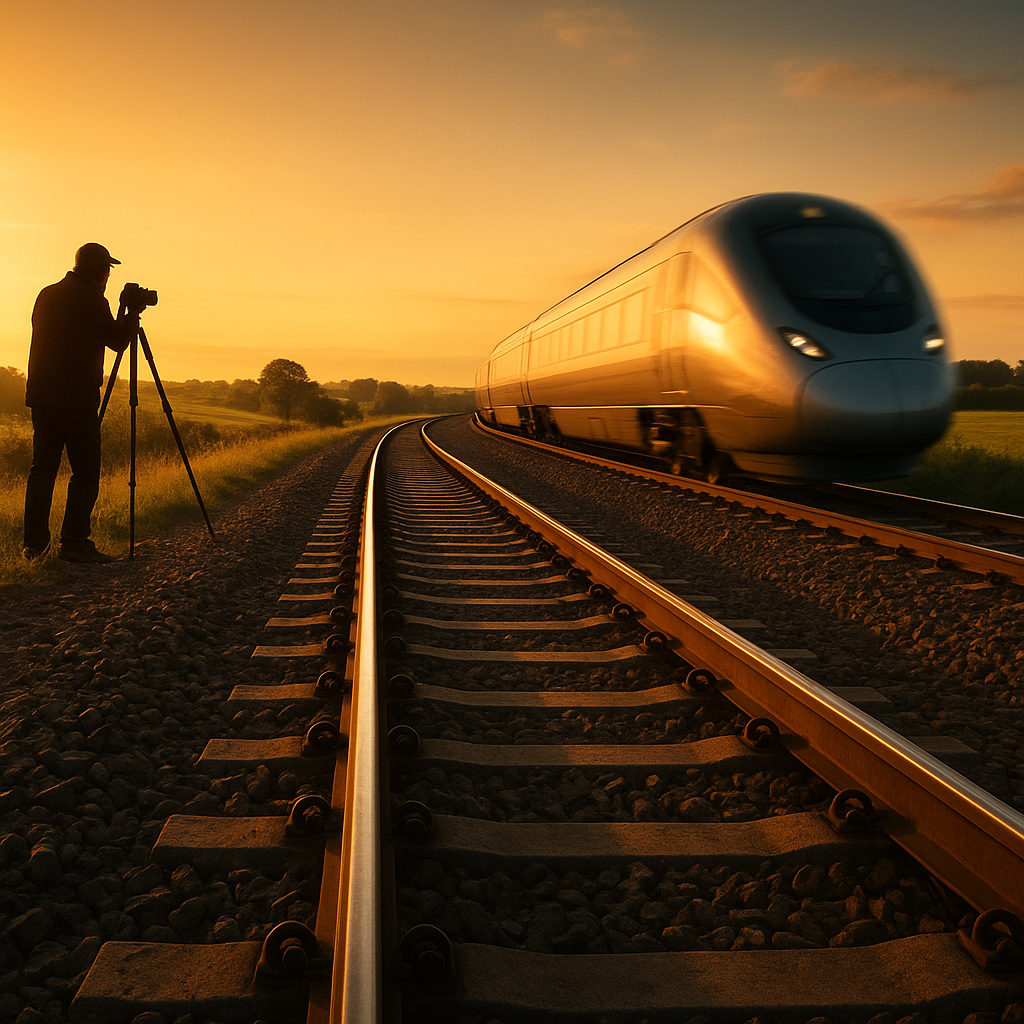
Low sun angles during dawn or dusk create warm tones and long shadows, enhancing train images. Photographers should position the train between themselves and the light for strong side or backlighting.
Fog and mist add atmosphere but require careful focus on the train as contrast decreases. Using manual focus or focus peaking improves sharpness.
In stormy weather, capturing dramatic skies as a backdrop intensifies the mood. Balancing exposure to retain detail in both sky and train often means bracketing shots or using graduated ND filters.
| Weather Condition | Key Settings | Equipment Tips | Composition Notes |
| Bright Sunlight | ISO 100-200, f/5.6–f/8, fast shutter | Lens hood, polariser | Side lighting, crisp shadows |
| Overcast/Fog | ISO 400-800, f/2.8–f/4, slower shutter | Weather sealing | Soft tones, focus on silhouette |
| Rain/Snow | Fast shutter 1/500s+, lens rain cover | Waterproof gear | Capture precipitation, strong contrast |
| Stormy | Bracketing, ND filters | Secure tripod | Moody skies with train highlights |