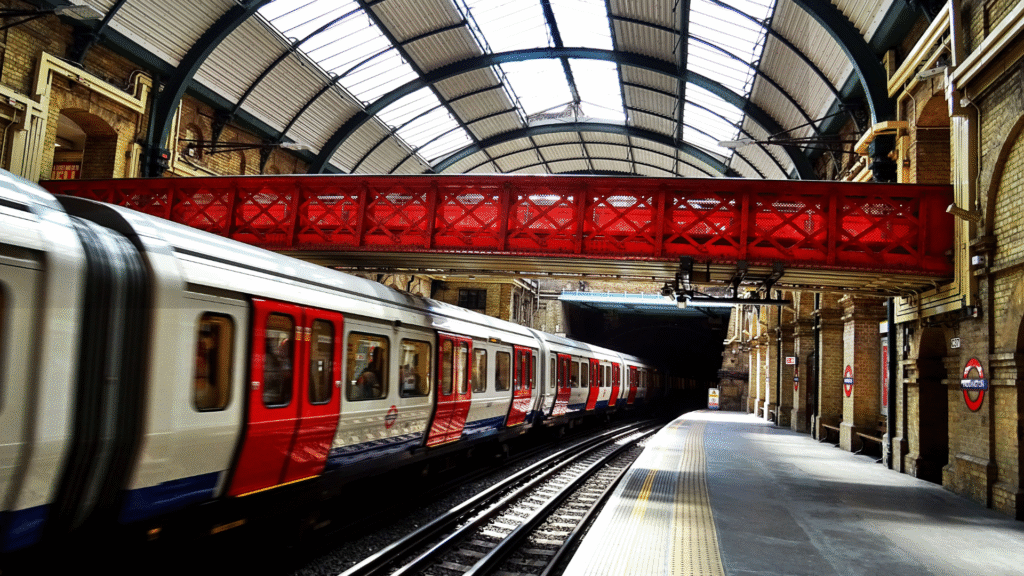
The legacy of British railway engineering is visible in the technology, infrastructure, and design principles that continue to influence rail systems worldwide. British engineers pioneered many innovations, from the first passenger railways to advances in locomotive design and track engineering.
Their contributions set standards that shaped global railway development and remain relevant today. This heritage not only represents technological progress but also reflects a period of industrial transformation that reshaped societies and economies.
Understanding this legacy helps explain why Britain is often regarded as the birthplace of modern railways and why its engineering achievements continue to be studied and admired across the world.
The Foundations of British Railway Engineering
British railway engineering began with remarkable technical firsts and key figures who shaped the industry. The development of rolling stock advanced alongside infrastructure, while evolving railway companies laid the groundwork for a cohesive national network.
Early Innovations and Pioneering Engineers
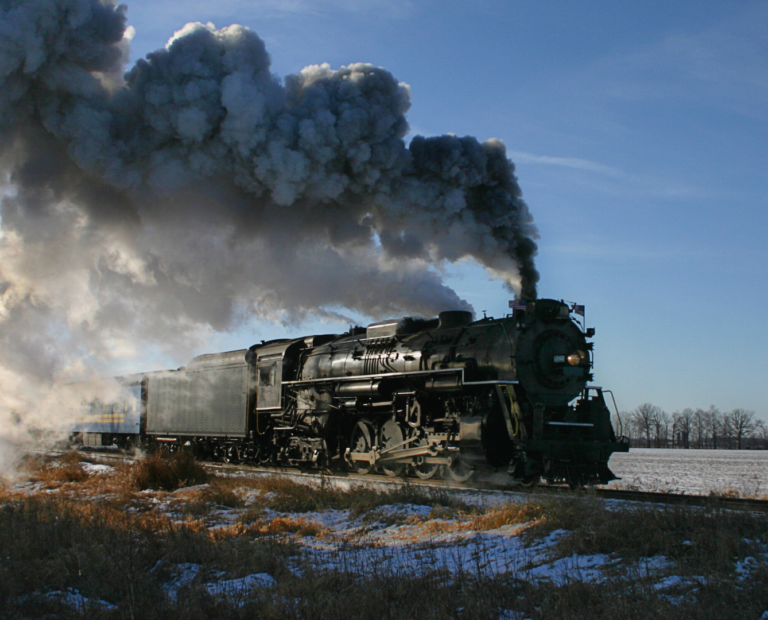
The earliest railways in Britain were influenced by innovations such as Richard Trevithick’s high-pressure steam locomotive in 1804. George Stephenson’s Locomotion No. 1 (1825) and Rocket (1829) established essential standards for steam engines. Stephenson’s work led to the creation of the ‘Standard Gauge’ (4 ft 8½ in), which remains the UK norm.
Engineers like Isambard Kingdom Brunel introduced bold projects, including the Great Western Railway with its broad gauge. Their technical experimentation propelled the rapid expansion and reliability of railways. Innovations focused on track design, locomotives, and safety features, forming the engineering basis still relevant today.
Development of Rolling Stock
Rolling stock in Britain evolved from simple wooden wagons to complex steel carriages and freight vehicles. Early passenger coaches were lightweight but progressed towards more robust, comfortable designs by the mid-19th century.
British engineers prioritised durability, ease of maintenance and capacity. Notable advancements included improved suspension, braking systems, and coupling mechanisms. The design enabled higher speeds and safer travel, critical for the rising passenger numbers and freight demands. Rail companies regularly invest in rolling stock upgrades to match technological progress and operational requirements.
Rise of British Railways
The explosion of railway companies in the 19th century led to a patchwork of regional networks. Consolidation in the late 1800s and early 1900s created major entities like the London and North Western Railway and the Great Western Railway. This organisation supported national connectivity and standardisation.
By the early 20th century, British Railways emerged from grouping these companies in 1923, orchestrating a unified approach to infrastructure and technology. This structure facilitated more efficient engineering practices and smoother operations across thousands of miles of track, fortifying Britain’s industrial and social development through improved railway services.
The Era of British Rail and BREL
British Rail and its associated entities shaped the country’s railway technology and operations extensively from the late 1960s to the 1990s. The collaboration between administrative, engineering, and research divisions was central to many innovations and improvements in rail transport.
Formation and Role of British Railways Board
The British Railways Board (BRB) was established in 1963 to oversee the nationalised railway network, replacing the British Transport Commission. It was responsible for managing rail services across Great Britain, streamlining operations and implementing modernisation plans.
BRB focused on reforming the ageing infrastructure, withdrawal of unprofitable lines, and introducing new rolling stock. It acted as the strategic planner and executor for British Rail’s operational and capital projects, ensuring compliance with government directives and adapting to shifting transport demands. The Board also facilitated greater efficiency by centralising decision-making during a period of significant technological change.
Establishment and Achievements of British Rail Engineering Limited
British Rail Engineering Limited (BREL) was created in 1970 as a subsidiary of British Rail to handle all manufacturing and repair work. It absorbed various workshops and factories previously run by BR, consolidating expertise in one entity.
BREL developed new classes of locomotives and multiple units, including the successful Class 313 and Class 410 trains. It played a key role in producing the InterCity 125 power cars, which remained a hallmark of British high-speed rail. BREL’s focus was on innovation in design and efficiency, balancing cost-effective manufacturing with reliability and maintenance considerations.
Collaboration with the British Railways Research Division
The British Railways Research Division (BRRD), established in the 1960s, partnered closely with both BRB and BREL to apply scientific research to rail technology. Their joint efforts advanced traction, signalling, and materials engineering.
BRRD contributions included developing improved diesel engines and early work on tilting trains to enhance speed and passenger comfort. Their research helped BREL optimise fabrications and integrate new technologies into rolling stock. This collaboration ensured British Rail could modernise with technical precision backed by rigorous testing and analysis, fostering long-term operational improvements.
Technological Innovations and Iconic Trains
British railway engineering made major strides in rail technology, train design, and manufacturing. Its impact extended globally through exports, and it played a critical role in shaping the modern railway system seen today.
Advancements in Rail Technology
British engineers pioneered numerous technological advances in railways, including the development of the steam locomotive by George Stephenson. Innovations such as the improved use of steel rails and the introduction of standard gauge enhanced efficiency and safety.
Signal systems also evolved, with mechanical semaphore signals being widely adopted in the 19th century. Later, electric signalling and automated controls improved operational reliability. The integration of continuous brakes, notably the vacuum and air brakes, increased passenger safety.
British research into track design and alignment set standards that influenced other countries. Their focus on durability and efficiency contributed to longer-lasting infrastructure and more reliable services.
Design and Manufacturing of Iconic Trains
The UK produced many iconic trains, notably the Flying Scotsman and Mallard. The Flying Scotsman, introduced in 1923, was the first steam locomotive officially recorded to reach 100 mph. The Mallard still holds the world speed record for steam locomotives at 126 mph.
British manufacturers such as the London and North Eastern Railway (LNER) and the Great Western Railway (GWR) established a reputation for innovative engineering and craftsmanship. They combined performance with aesthetic appeal, often designing streamlined shapes for speed and fuel efficiency.
Coach design also advanced, emphasising passenger comfort with innovations like improved suspension and better ventilation. The iconic British Pullman cars set luxury standards still referenced today.
Export of British Manufactured Trains
British rail technology and manufactured trains were exported extensively from the 19th century. Countries in the British Empire and beyond adopted British designs and standards, boosting global rail infrastructure development.
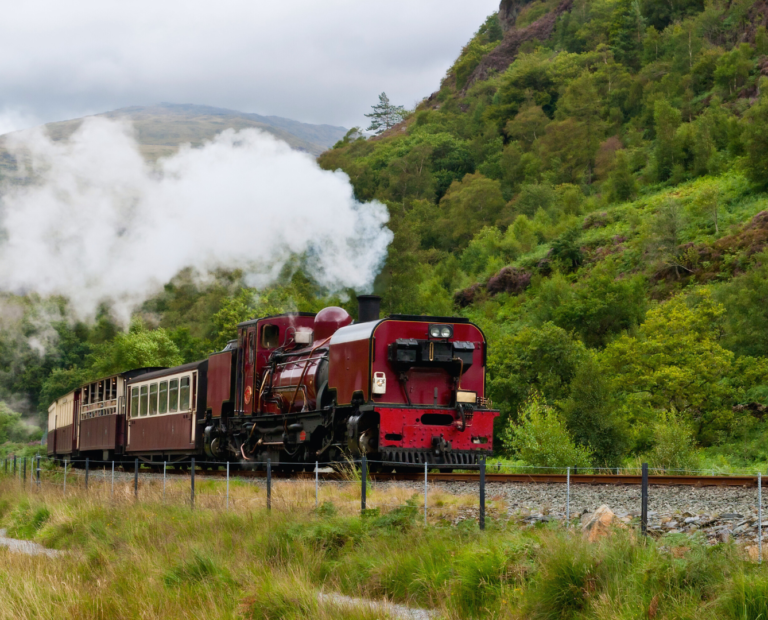
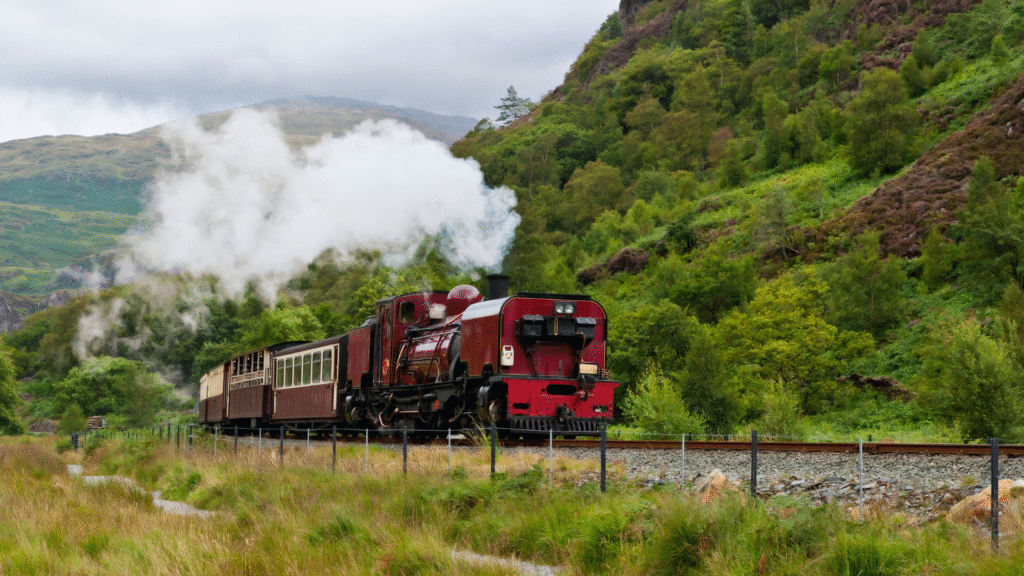
Manufacturers like Beyer Peacock and Metropolitan Carriage supplied locomotives and rolling stock worldwide. British companies customised trains to local conditions, such as narrow-gauge railways used in Africa and India.
The export of signalling technology and track components also spread British engineering principles internationally. This export trade helped establish British firms as global leaders before competition intensified in the mid-20th century.
Transition to the Modern Railway
The shift from steam to diesel and electric traction marked a key phase in British railway engineering. The introduction of the diesel-electric locomotive in the 1950s improved efficiency and reduced maintenance needs.
Electrification projects, such as the West Coast Main Line upgrade, showcased Britain’s move toward faster and more sustainable railways. Modern signalling systems using computer control further enhanced capacity and safety.
New manufacturing techniques and materials were adopted to support higher speeds and evolving passenger expectations. British engineering continued to balance heritage with modern demands, influencing contemporary railway design globally.
Architectural and Infrastructural Legacy
British railway engineering has left a distinct mark on the nation’s architectural and infrastructural landscape. Its developments reveal changing design principles, ongoing preservation efforts, and continued management by modern organisations like Network Rail.
Evolution of Railway Architecture
Early British railway stations combined functionality with grandeur, aiming to impress travellers. Notable examples include St Pancras Station, with its Victorian Gothic façade, and London’s King’s Cross, which balanced industrial utility and aesthetic appeal.
Materials evolved from primarily brick and stone to incorporate iron and glass, allowing larger covered spaces such as train sheds. This structural evolution supported expanding railway networks and growing passenger volumes.
Engineering advances also influenced bridges and viaducts. The Khayam Bridge and Forth Bridge, though outside England, reflect similar pioneering designs that originated within British railway engineering circles.
Preservation and Regeneration of Heritage Sites
Many historic railway buildings and lines have been preserved or repurposed as cultural sites, museums, or community spaces. Organisations such as the National Railway Museum safeguard Britain’s railway heritage.
Efforts to maintain structures like Bristol Temple Meads station or the Settle-Carlisle Line show a commitment to balancing modern usage with conservation. These sites often combine operational requirements with historical integrity.
Regeneration projects frequently incorporate heritage elements into contemporary rail infrastructure, blending old and new. This approach supports tourism and education while ensuring functionality.
Role of Network Rail in Continuing the Legacy
Network Rail manages much of Britain’s railway infrastructure, including historic bridges, tunnels, and stations. Their maintenance strategies respect original designs while upgrading safety and performance.
They oversee restoration projects that retain listed status features, such as the restoration of London Bridge Station and the refurbishment of Victorian-era platforms. This careful stewardship prolongs the operational life of heritage assets.
Network Rail also invests in modern infrastructure compatible with historic structures, ensuring railways meet 21st-century standards without compromising architectural legacy.