Rural train stations offer a glimpse into a bygone era, often featuring stunning architecture and historical significance. These charming stations showcase unique design elements and serve as gateways to picturesque landscapes, making them a valuable stop for travellers seeking authenticity. As visitors explore these quaint locations, they not only appreciate the aesthetic appeal but also connect with the stories of the communities they represent.
Many of these stations have been preserved or restored, allowing them to maintain their character while continuing to serve modern transport needs. Each station holds its own narrative, often tied to the development of the railway system in the UK. Travellers can discover these historical gems nestled in tranquil settings, each with its own charm and appeal.
Beyond their functional role, rural train stations act as cultural landmarks that reflect local heritage. They invite exploration, offering a chance to step back in time while enjoying the unique surroundings. Visitors are encouraged to include these stops in their journeys for an enriched travel experience.
Historic Charm of Rural Train Stations
Rural train stations possess a unique allure, showcasing architectural beauty and serving vital roles in local communities. Their preservation often reflects a commitment to heritage and plays a significant part in tourism.
Architectural Heritage
Many rural train stations in England, Wales, and Scotland exhibit distinctive architectural styles that harken back to the Victorian era. Examples, such as those along the Great Western Railway (GWR), showcase intricate details, from ornate facades to period-appropriate waiting rooms. Features like cast iron canopies and stone carvings highlight the craftsmanship of the time.
These stations often blend functionality with aesthetic appeal. Elements such as traditional signage and platform shelters add to their historic charm. Preservation efforts usually maintain these characteristics, allowing visitors to step back into a bygone era while still utilising the facilities.
Impact on Local Communities
Rural train stations play essential roles in their communities, serving as hubs for transportation and social interaction. They often connect remote areas to larger towns and cities, fostering economic opportunities. The presence of a train station can significantly affect local businesses, as shops and cafes flourish in proximity to these transport links.
Additionally, community events are frequently held at or near these stations. Celebrations such as railway anniversaries or local fairs highlight the station’s importance in cultural heritage. This integration strengthens community bonds and promotes regional pride.
Conservation and Tourism
Conservation of historic rural train stations is crucial for maintaining their charm. Many sites receive support from heritage organisations and local councils, ensuring that restorations adhere to authentic designs. This focus on preservation attracts visitors keen on exploring Britain’s railway history.
Tourism related to these stations can significantly boost the local economy. Scenic train journeys through picturesque landscapes encourage rail enthusiasts and casual travellers alike. Many rural stations have implemented visitor centres to enhance the experience, offering information on local history, guided tours, and memorabilia for sale.
Iconic Stations and Their Stories
Rural train stations often tell unique stories through their architecture and history. The following examples highlight some of the most iconic stations, showcasing their significance and the charm that attracts visitors.
Ribblehead Viaduct and Station
Ribblehead Station, located in North Yorkshire, is renowned for its proximity to the impressive Ribblehead Viaduct. Completed in 1870, the viaduct features 24 arches and stands 104 feet tall. This feat of engineering serves as a testament to Victorian ingenuity and offers scenic views of the surrounding Yorkshire Dales.
The station itself opened in 1875, is a former railway hub that connects to the Settle-Carlisle Railway. Though it now serves a more limited purpose, the station retains its original charm. It provides a gateway for walkers exploring nearby trails and the beautiful countryside.
The Swanage Railway
The Swanage Railway, located in Dorset, is a heritage railway offering picturesque journeys through the Isle of Purbeck. Originally opened in 1885, it was closed to regular services in 1972 but was later restored by volunteers. Today, it operates steam and diesel trains, transporting visitors back to the golden age of rail travel.
Swanage Station serves as the line’s southern terminus and features Victorian-style buildings. Visitors can enjoy train rides through scenic landscapes, including stunning views of Studland Bay and the Purbeck Hills. This railway is significant for both its history and the community it fosters.
Llangollen Railway and Berwyn Station
The Llangollen Railway, situated in Wales, is an important heritage line that runs alongside the River Dee. Established in the 19th century, it features several historic stations, including Berwyn Station. Berwyn is noteworthy for its beautiful stone architecture and scenic location.
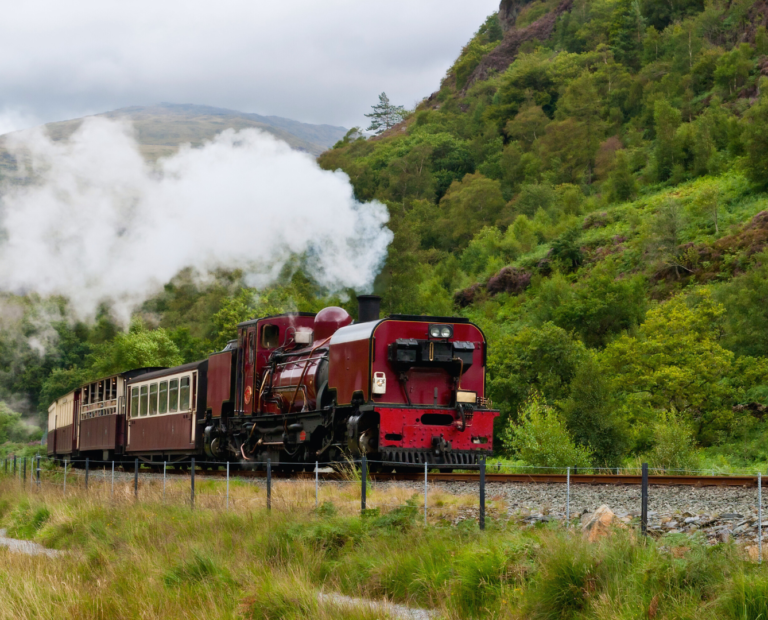
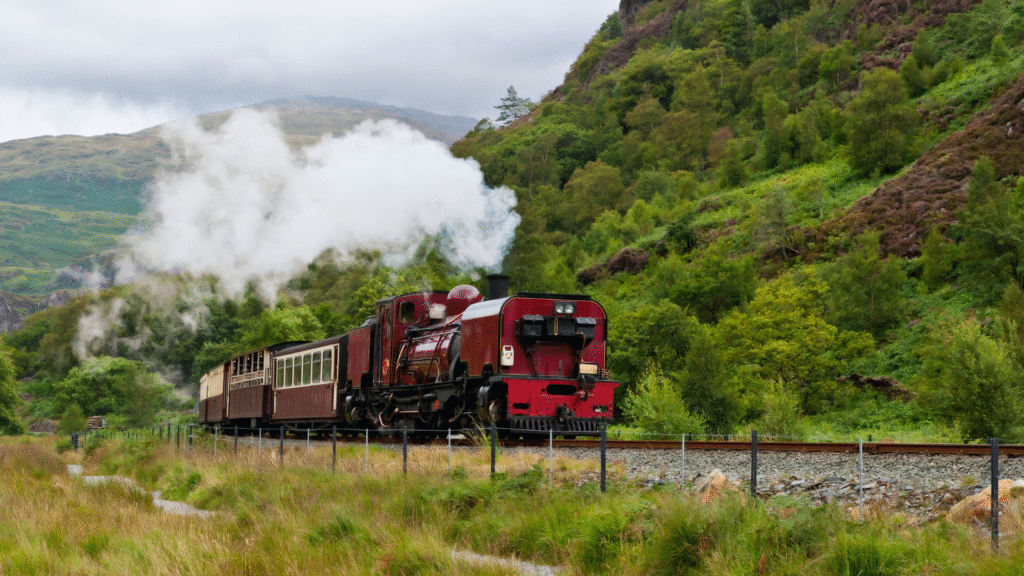
This line attracts visitors with its steam trains, which provide breathtaking views of the surrounding valleys and hills. Berwyn serves as a popular stop, offering information about the railway’s history and the natural beauty of the area. Events throughout the year keep the spirit of the railway alive for locals and tourists alike.
Isle of Wight Steam Railway
The Isle of Wight Steam Railway is a heritage line that connects various historic stations on the island. Spanning over five miles, this railway showcases the charm of Victorian steam travel. Among its notable stations is Havenstreet, which hosts a well-maintained museum and offers a glimpse into the area’s railway history.
Trains run through beautiful countryside, woodland, and along the coast, attracting both locals and tourists. The railway plays a crucial role in preserving the island’s railway heritage while providing educational experiences. Events and themed days throughout the year enrich the visitor experience.
Connecting with Nature and Heritage
Rural train stations serve as gateways to stunning landscapes and rich histories, providing visitors with opportunities to explore both the natural environment and local culture. The following sections highlight scenic areas and historic settlements accessible by train.
Scenic Countryside and National Parks
The beauty of Britain’s countryside is often showcased through picturesque train rides. Stunning views abound, particularly in regions like the Yorkshire Dales and Lake District National Park. These areas are celebrated for their rolling hills, vibrant flora, and abundant wildlife.
Accessible nature reserves also invite exploration. The Malvern Hills, known for their rugged terrain and sweeping vistas, offer excellent walking paths. Visitors can immerse themselves in the tranquillity of nature while witnessing unique ecosystems.
National parks frequently feature well-marked trails and dedicated spaces for picnics. This encourages families and individuals to connect with both the environment and the history of the land.
Market Towns and Historic Villages
Market towns and historic villages near train stations provide insights into local culture. Places like Malmesbury and Haworth showcase charming architecture, often dating back centuries.
Strolling through these areas reveals traditional markets and artisan shops. Engaging with local craftspeople offers a sense of community and heritage.
In addition, villages often boast historical landmarks, such as churches and old railway buildings. These sites tell stories of the region’s past, enhancing the visit beyond mere sightseeing.
Exploring these towns and villages establishes a deep connection to both nature and history, enriching the experience of the traveller.
Amenities and Attractions
Rural train stations often present a unique blend of local amenities and regional attractions that enhance the travel experience. Visitors can enjoy independent shops, quality dining options, and various recreational activities that reflect the charm of the surrounding communities.
Unique Shopping and Dining Experiences
Many rural train stations are surrounded by independent shops that offer distinctive local products. From artisan food to handcrafted goods, these shops provide an authentic taste of the region. Cafés and pubs serve locally sourced fare, creating an inviting atmosphere for travellers to relax.
For example, a café near Cheltenham Race Course serves traditional English breakfasts alongside gourmet coffee. Independent boutiques nearby often feature unique clothing and homeware, contributing to the area’s character. The combination of these offerings creates a vibrant shopping and dining scene that appeals to both locals and tourists.
Recreational Activities and Events
Rural train stations often act as gateways to various recreational activities and local events. Outdoor enthusiasts can take advantage of walking trails and parks nearby, perfect for exploring the countryside. Historic towns often host seasonal festivals that celebrate local culture, food, and crafts.
At Huddersfield Station, visitors can access events that highlight the region’s heritage, including craft fairs and agricultural shows. Nearby venues may organise live music nights or themed dinners, enriching the community experience. Train stations not only provide transport but also enhance leisure opportunities for those eager to explore the area further.