
For those passionate about train spotting, the right tools can enhance the experience significantly. The top apps for trainspotters offer features that cater to enthusiasts, helping them track train movements, log sightings, and connect with other hobbyists. With the growing popularity of this unique pastime, numerous applications have emerged to meet the needs of both novice and seasoned spotters.
Trainspotting can be both a solitary and social activity and mobile technology bridges that gap effectively. Applications provide real-time updates and notifications, allowing users to optimise their spotting moments. Additionally, some apps include features like high-quality photos, train history and details about different models, making them invaluable resources for any train aficionado.
By leveraging these apps, trainspotters can enrich their hobby and share their passion with a wider community. The digital age has ushered in an era of connectivity that empowers enthusiasts to make the most of their time spent observing and documenting trains on the move.
Essential Train Spotting Applications
Trainspotters require effective tools to enhance their experiences and streamline their activities. Several applications stand out for their functionality and user-friendly design, catering specifically to enthusiasts in this field.
Spotlog: The Trainspotter’s Companion
Spotlog is a free app designed for train passengers to log sightings with ease. Users can record details such as date, time, location, and vehicle identification. The application’s interface is straightforward, allowing for quick data entry.
Spotlog features multiple functionalities, including the ability to review past logs, generate statistics, and share information with other users. It supports various railway operators across the UK and beyond, providing comprehensive coverage. Spotlog’s community aspect enables users to connect, share experiences, and discuss sightings.
This app is particularly beneficial for tracking unit numbers and class lists. Its customisable fields allow users to tailor entries to their preferences, making it a versatile tool for serious enthusiasts.
Locolist Database: Cataloguing Locomotives
The Locolist Database serves as a comprehensive repository for locomotive information. This application allows users to catalogue locomotives by multiple criteria, including unit types and classes.
The database includes a relevant search feature, making it easy for users to find specific locomotives. It also provides detailed descriptions and images of various trains. This functionality is vital for spotting blog entries or research purposes.
Users can contribute to the database, ensuring that the information remains up-to-date. This collaborative effort enhances the resource’s accuracy, benefiting the entire spotting community. Locolist also includes a feature for users to track sightings and maintain their personal records.
Unit Tracker: Monitoring Multiple Units and Trams
Unit Tracker is an essential application for those who want to monitor a variety of units and trams. Its design allows users to follow real-time movements and schedules of multiple vehicles simultaneously.
This app includes locations, timings, and service status updates. It’s particularly useful for spotting specific classes or units as they operate on their routes. Users can set alerts for specific vehicles, ensuring they never miss a sighting.
The interface is intuitive, with easy navigation between different services. This real-time feature gives users a significant advantage when planning their spotting trips, ensuring they capture their favourite trains or trams in action.
Functional Features for the Enthusiast
Trainspotting apps focus on essential functional features that enhance the experience for enthusiasts. These features provide vital information, facilitate the logging of sightings, and offer access to resources essential for European train spotting.
Real-Time Haulage Information
Real-time haulage information is crucial for any trainspotter. Apps often provide updates on train schedules, routes, and delays. This allows enthusiasts to track specific trains they wish to observe.
Many of these apps display a live map of train movements. Users can see where trains are currently located and when they are expected to arrive at various stations. This functionality is particularly useful for planning visits to railway hotspots.
Additionally, some applications feature alerts for specific haulage types, such as freight or passenger trains. These options help users focus their spotting efforts on desired categories.
Logging and Exporting Sightings
Logging and exporting sightings is an important function of trainspotting apps. Users can create records of what they have seen, noting specifics such as train numbers, timings, and locations.
Typically, this information can be stored in easily accessible formats, including lists or tables, making it simple to track progress over time. Furthermore, many applications support CSV export, allowing users to share their sightings with others or maintain personal databases.
In addition to sightings, some apps permit users to attach notes. This feature enables enthusiasts to document observations or personal experiences related to specific trains or spotting locations.
European Train Spotting Resources
Enthusiasts in Europe benefit greatly from dedicated resources available within trainspotting apps. These often include comprehensive timetables that cover multiple countries, enabling users to explore various railway networks.
Detailed map features enhance spatial understanding, showing railway lines, stations, and access points. This can be invaluable for users unfamiliar with specific regions.
Moreover, several apps offer insights into local train-spotting communities and events. Users can connect with fellow enthusiasts, share tips, and receive updates on meet-ups or special train events across Europe.
Compatibility and Accessibility
Trainspotting enthusiasts can access a variety of apps available on both major mobile platforms. This ensures that individuals can easily record their sightings and share information, regardless of their device preference. Specific apps cater to the needs of UK train passengers, providing valuable localised information that enhances their experience.
Android and iOS: A Cross-Platform Hobby
Many trainspotting apps are designed for both Android and iOS devices, including iPhone and iPad. This cross-platform compatibility allows users to choose their preferred operating system without sacrificing functionality. Popular apps such as “Trainline” and “iTrain” enable users to track live train schedules and access comprehensive databases of locomotive information.
Key Features:
- User-Friendly Interfaces: Most apps feature intuitive layouts that cater to all skill levels.
- Real-Time Updates: Users receive timely alerts about train schedules and delays.
- Social Connectivity: Some apps allow users to connect with fellow trainspotters to share tips and sightings.
These features make it easy for users to engage with the hobby effectively.
UK Train Spotting: Localised Information
Trainspotting apps focused on the UK provide crucial localised information, enhancing the experience for fans of the railway. These apps often include detailed maps, train station listings, and historical data specific to the UK railway network. For instance, with the “UK Train Spotting” app, users can view live train service track lines and receive notifications about train movements.
Key Benefits:
- In-depth Train Data: Users have access to an extensive library of train specifications and histories.
- Community Features: Local forums and event notifications foster a sense of community among users.
- Offline Access: Certain apps allow downloaded content, enabling users to access information without an internet connection.
By catering specifically to the UK market, these apps significantly enrich the trainspotting experience.
Maximising Your Train Spotting Experience
To make the most of train spotting, individuals should focus on capturing quality images and understanding the background of the trains. These strategies enhance both the experience and the knowledge gained during each outing.
Advanced Photo Capturing Techniques
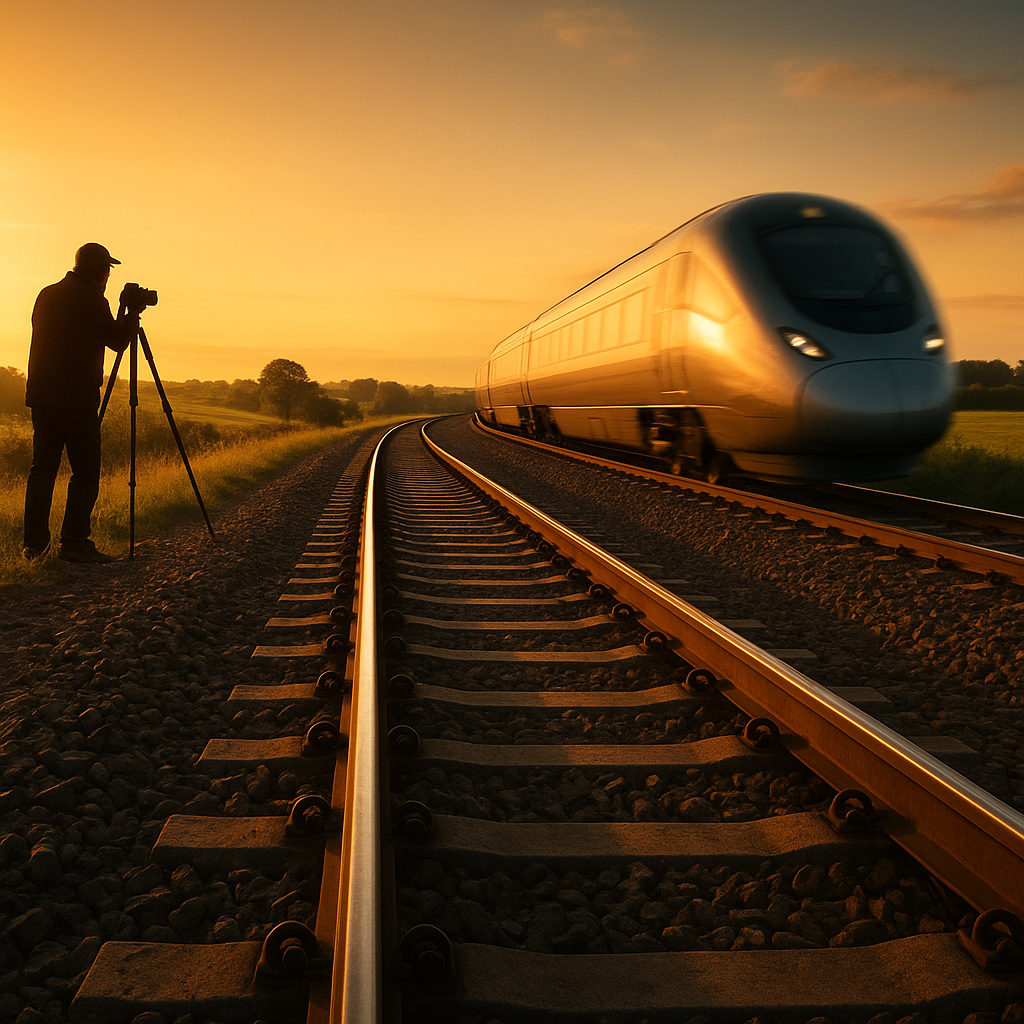
For impressive photographs, train spotters should consider several techniques. A tripod can provide stability, especially in low-light conditions, helping to avoid blurred images.
Using a camera with a fast shutter speed is crucial for capturing moving locomotives. Spotters should aim to shoot between 1/500 and 1/1000 seconds to freeze motion effectively.
Additionally, understanding lighting is essential. Early mornings and late afternoons provide softer light that enhances colours. Using the rule of thirds can improve composition, ensuring the train is not always centred in the frame and creating more dynamic shots.
Adjusting the aperture on the camera can help in isolating the train from the background. Lastly, post-processing software can fine-tune images, enhancing contrast and sharpness while correcting any exposure issues.
Understanding Train Origins and History
Knowledge of trains’ origins and histories can greatly enrich the spotting experience. Train enthusiasts should research specific locomotives and their routes, noting significant historical contexts, such as the era they represent or previous services.
Keeping a journal of sightings is useful. Documenting key details like the Date, Location, and train Origin allows enthusiasts to track memorable encounters and learn more about various models.
Many rail enthusiasts benefit from joining local clubs or online forums, where they can share experiences and gather insights about quirky historical facts. This information can explain the significance of particular locomotives.
Staying informed about new models scheduled for routes can provide opportunities for unique sightings. Knowledge and community connection enhance the joy of train spotting and contribute to a more fulfilling experience overall.