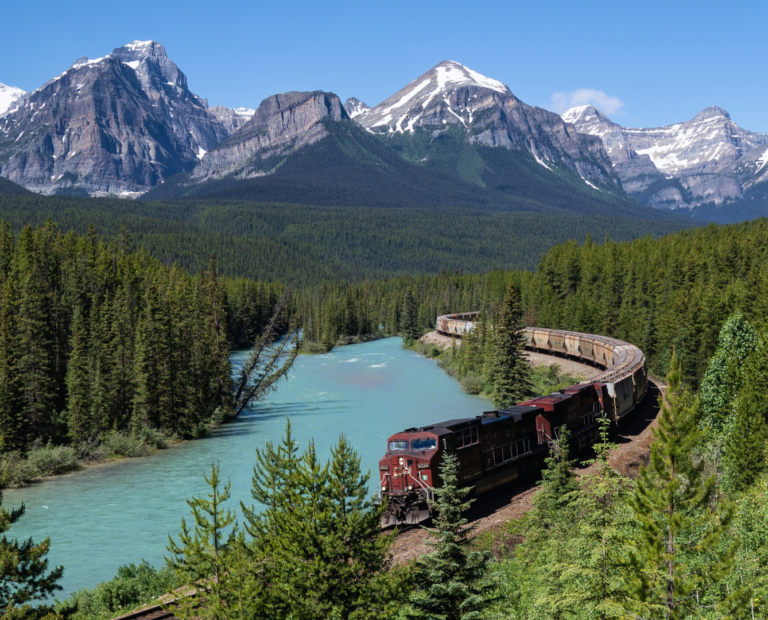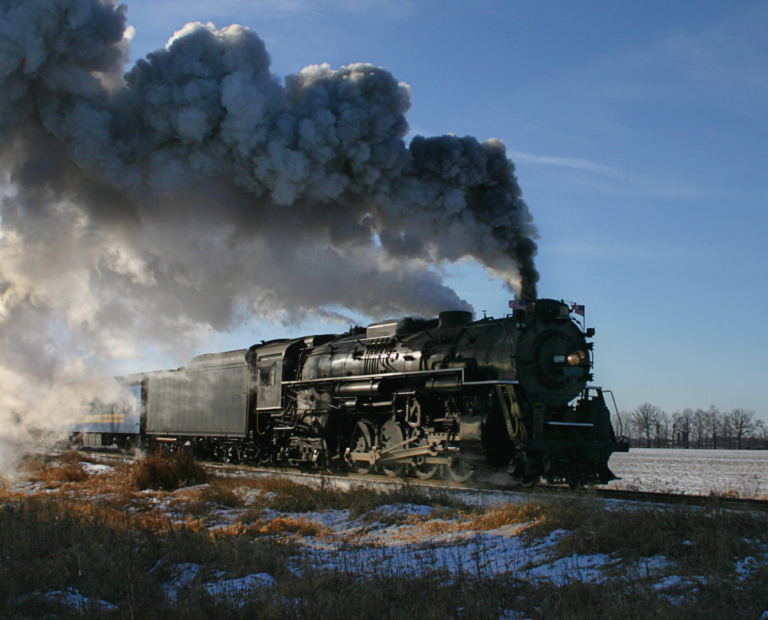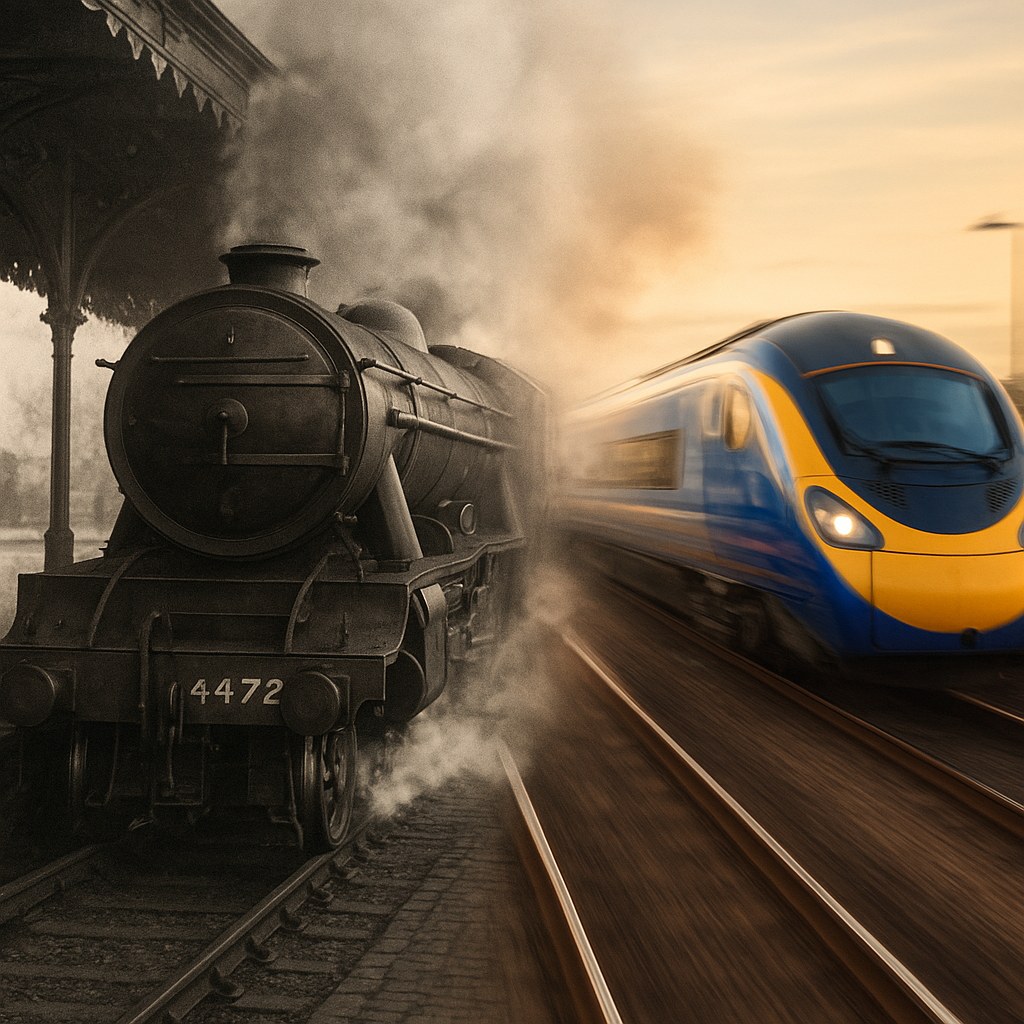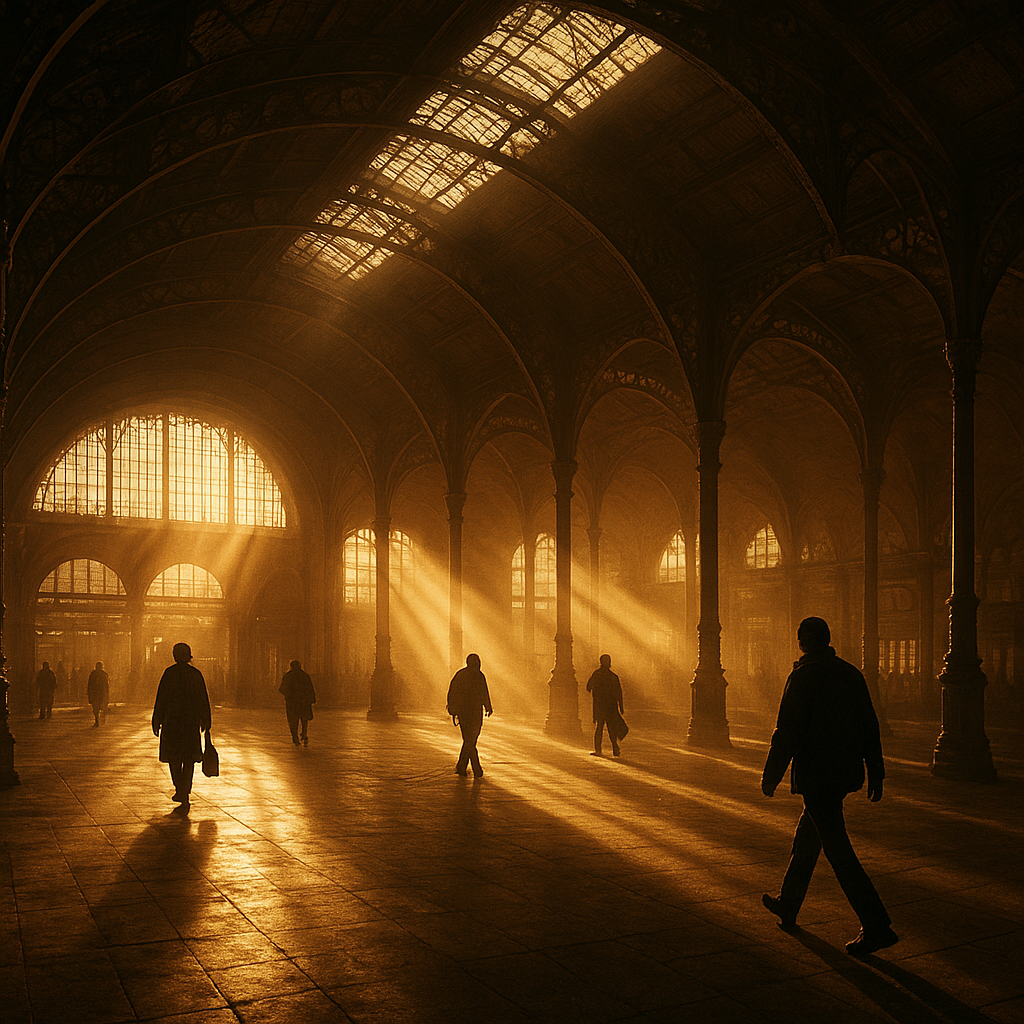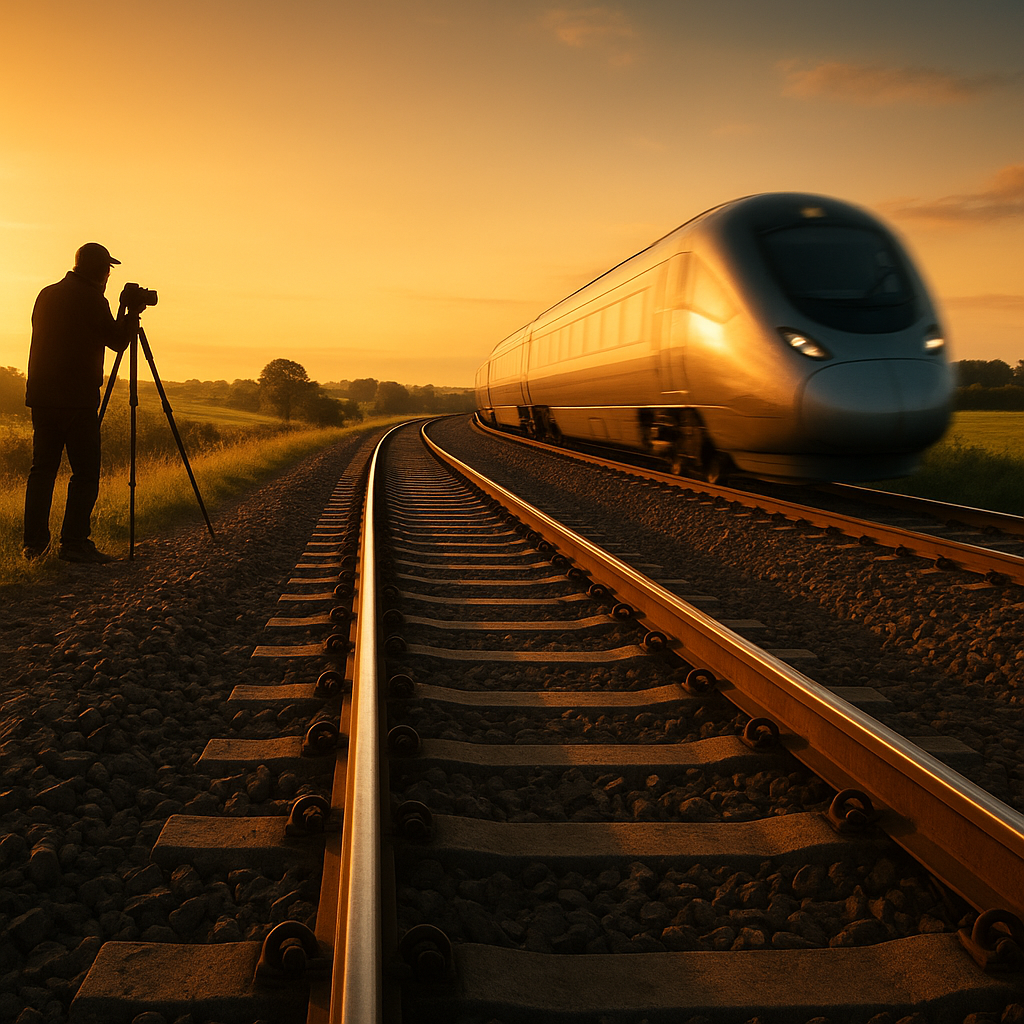

Train photography offers a captivating way to capture the essence of rail travel and the intricate details of locomotives. The best camera gear for train photography includes a reliable DSLR or mirrorless camera, a versatile zoom lens, and a sturdy tripod to ensure sharp images in various conditions. These essentials allow photographers to effectively frame their subjects, whether they’re capturing the powerful presence of a freight train or the graceful movement of a passenger service.
Railroad photography enthusiasts, often known as railfans, benefit from understanding the unique challenges posed by fast-moving trains and varying lighting conditions. A fast autofocus system and good low-light performance are crucial for freezing action and achieving clarity. Additionally, accessories such as polarising filters can help manage reflections and enhance colour saturation in the final images.
Photographing trains also involves patience and planning. Researching train schedules and scouting the best locations can mean the difference between a mediocre snapshot and a stunning composition. With the right gear and approach, anyone can transform their railfan photography into striking visual stories that celebrate the beauty of trains and railways.
Choosing the Right Camera
Selecting an appropriate camera is crucial for capturing compelling train photographs. Key considerations include the type of camera and essential features tailored to train photography.
DSLR Versus Mirrorless Cameras
Both DSLR and mirrorless cameras offer unique advantages. DSLRs, such as those from Nikon and Canon, have robust build quality and long battery life. They excel in fast shooting situations due to their optical viewfinders, making them suitable for capturing trains in motion.
Mirrorless cameras, like those from Sony, are often lighter and more compact. They feature electronic viewfinders, allowing for real-time exposure and depth-of-field previews. Autofocus systems in newer mirrorless models can be faster and more accurate, which is beneficial in dynamic environments like rail yards.
The choice between DSLR and mirrorless largely depends on personal preference and specific shooting conditions. Both can deliver high-quality images when armed with the right lenses and settings.
Key Features for Train Photography
When choosing a camera for train photography, several key features are important. First, a fast shutter speed is essential to freeze motion. Train speeds can exceed 100 km/h, so a minimum shutter speed of 1/500s is advisable.
Autofocus capabilities are also crucial. Cameras with multiple autofocus points allow for quicker tracking of moving subjects. Advanced models may feature continuous shooting modes, enabling photographers to capture a burst of images as the train approaches.
Furthermore, consider lens compatibility. Wide-angle lenses can capture trains in their environment, while telephoto lenses allow for close-ups from a distance. Depth of field control is beneficial for isolating trains from their surroundings, enhancing visual interest.
In essence, the right camera and its features can greatly influence the quality of train photographs.
Essential Camera Settings
Getting the right camera settings is crucial for capturing compelling train photographs. Understanding shutter speed, depth of field, and exposure will enhance image quality and ensure impressive results.
Mastering Shutter Speed for Moving Trains
Shutter speed is key when photographing moving trains. A fast shutter speed, typically between 1/500 to 1/2000 seconds, can freeze the motion, capturing sharp details. Conversely, a slower shutter speed, around 1/60 to 1/125 seconds, can create intentional motion blur, adding a sense of movement to the image.
When choosing shutter speed, consider the train’s speed and the desired effect. To determine the best setting, enable the histogram feature on the camera. This helps maintain detail in highlights and shadows, preventing overexposure.
Depth of Field Considerations
Depth of field significantly affects train photography. A shallow depth of field (around f/2.8 to f/4) can isolate the train from the background, creating a more focused image. This technique works well when capturing trains at a distance.
In contrast, a greater depth of field (using apertures like f/8 or f/11) is suitable for shots where both the train and surrounding scenery should be in focus. This is often best for capturing station environments or picturesque landscapes alongside the train.
Managing Exposure and Light
Proper exposure is vital for capturing the details in train photography. Use the camera’s exposure meter to gauge light levels and adjust settings accordingly to avoid overexposed or underexposed images.
The histogram can help ensure the exposure is within an acceptable range. It’s important to consider the time of day and lighting conditions; shooting during the golden hour provides soft, warm light and reduces harsh shadows.
In situations of mixed lighting, bracket the exposures. This technique involves taking multiple shots at different exposure levels to guarantee at least one well-exposed image.
Lenses and Accessories
Choosing the right lenses and accessories is crucial for capturing stunning train photography. The right tools can enhance the quality of images and provide the versatility needed to adapt to different shooting conditions.
Selecting the Right Lenses
A good lens can significantly impact the outcome of train photography. For wider shots, a lens with a focal length of 24mm or lower is ideal. It captures expansive views of trains against landscapes or stations.
For close-ups, consider a telephoto lens with a range of 70-200mm. This allows photographers to isolate trains in motion without intruding on the scene.
Recommended Lenses:
- Canon: EF 24-70mm f/2.8L II
- Nikon: AF-S NIKKOR 70-200mm f/2.8E
- Sony: SEL2470Z 24-70mm
Each brand offers several options that suit both amateur and professional photographers.
Tripods and Stabilisation Tools
When capturing trains at slower shutter speeds or in low light, stability is essential. A sturdy tripod is a vital tool that helps maintain the camera’s position and minimise shake.
Choose a tripod that can comfortably support the weight of the camera and lens combination. Look for models that extend high enough for a better perspective.
In addition to tripods, gimbals and stabilisers can also improve the quality of moving shots, especially for handheld filming.
Filters and Lens Hoods
Using filters enhances image quality and protects the lens. A circular polarizer can reduce glare and enhance the colour of the sky on sunny days.
Neutral density (ND) filters provide control over exposure, allowing for creative long exposures of trains.
Lens hoods are equally important. They prevent lens flare when shooting in direct sunlight and help protect the lens from accidental damage.
Combining these accessories can improve the overall photographic experience and yield better results.
Developing Your Photography Skills
To excel in training photography, one must focus on improving various photography skills. Mastering these skills enables the photographer to capture the beauty and motion of trains effectively.
- Composition Techniques
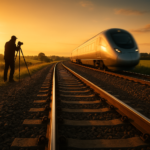
Understanding composition is vital. Techniques such as the rule of thirds can enhance image balance. Using leading lines, such as tracks, can direct the viewer’s eye towards the subject. - Exposure Settings
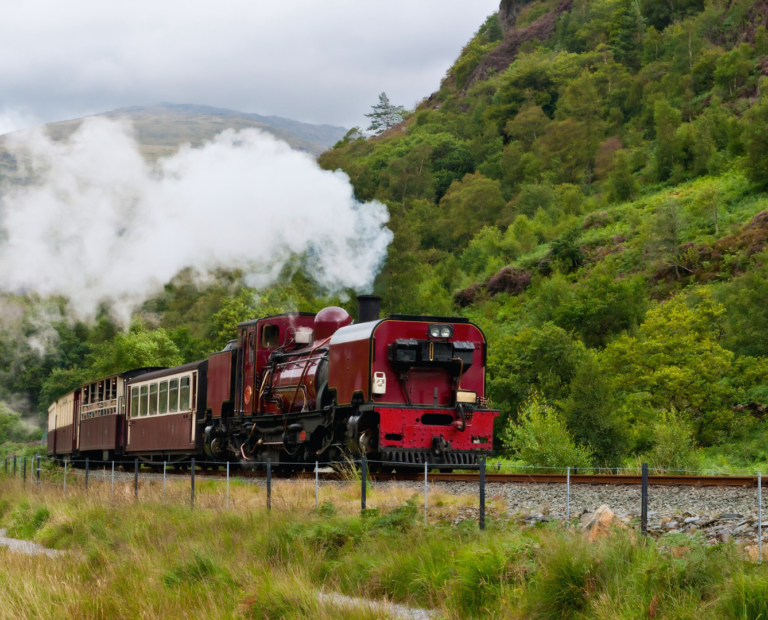
Learning to control ISO, aperture, and shutter speed is crucial. For capturing steam trains, a fast shutter speed helps freeze motion, while a lower ISO can reduce noise in low-light conditions. - Timing and Patience
Successful rail photography often requires patience. Understanding train schedules allows for planned shots. Being in the right place at the right time ensures capturing trains in action, particularly steam trains, which add a nostalgic element. - Post-Processing Skills
Editing photos enhances the overall quality. Familiarity with software such as Lightroom or Photoshop allows for adjustments in colour, contrast, and sharpness. Subtle edits can transform a good photo into a great one. - Community Engagement
Joining photography groups can provide valuable insights. Sharing experiences and learning from others helps in skill development. Engaging with fellow enthusiasts can also lead to new opportunities for shoots.