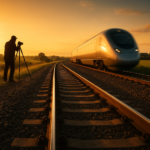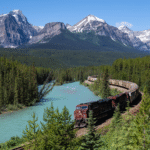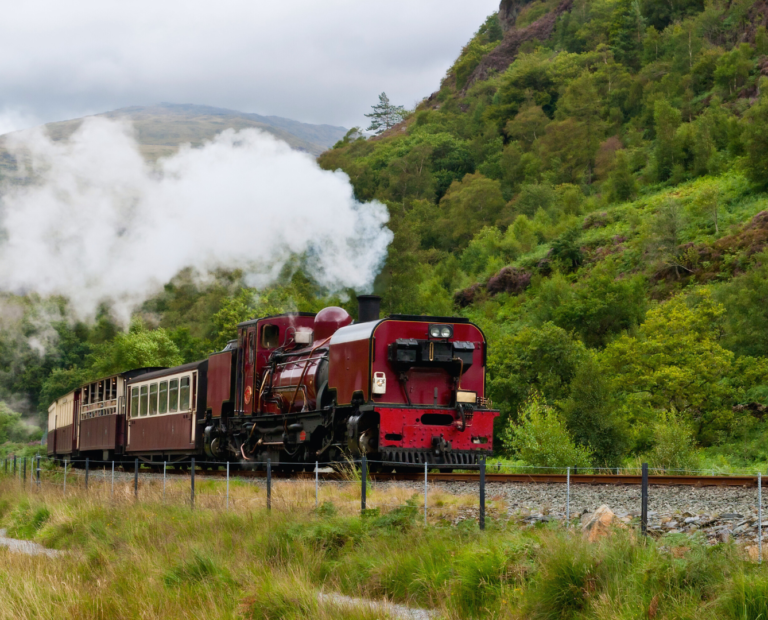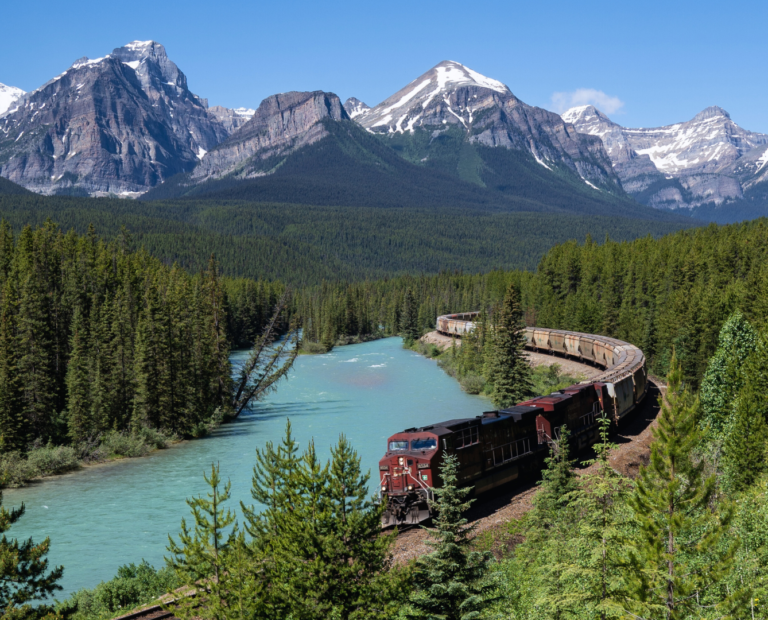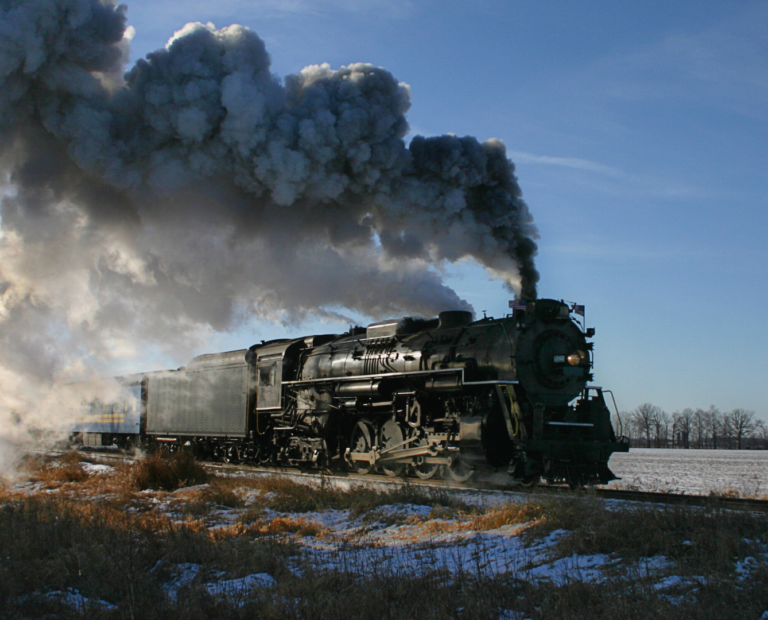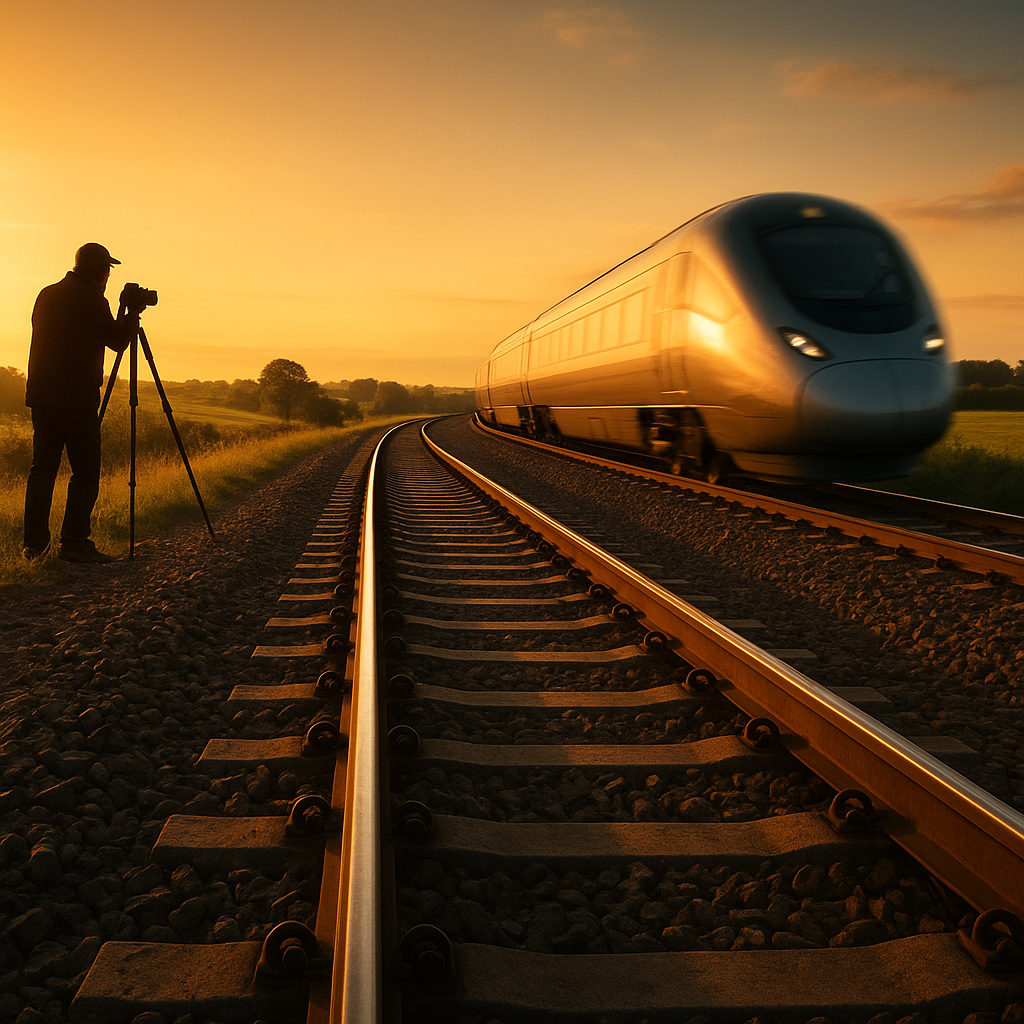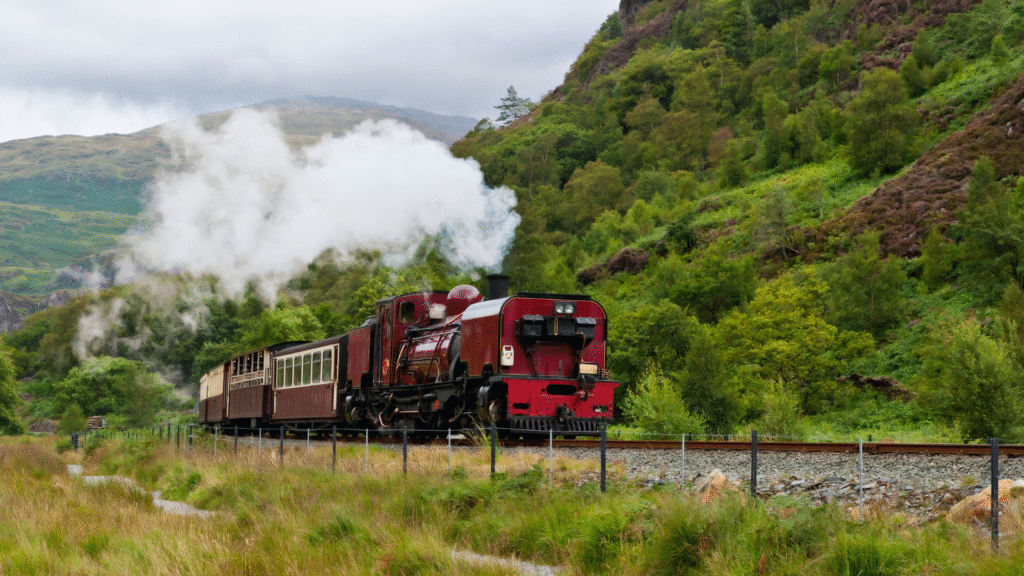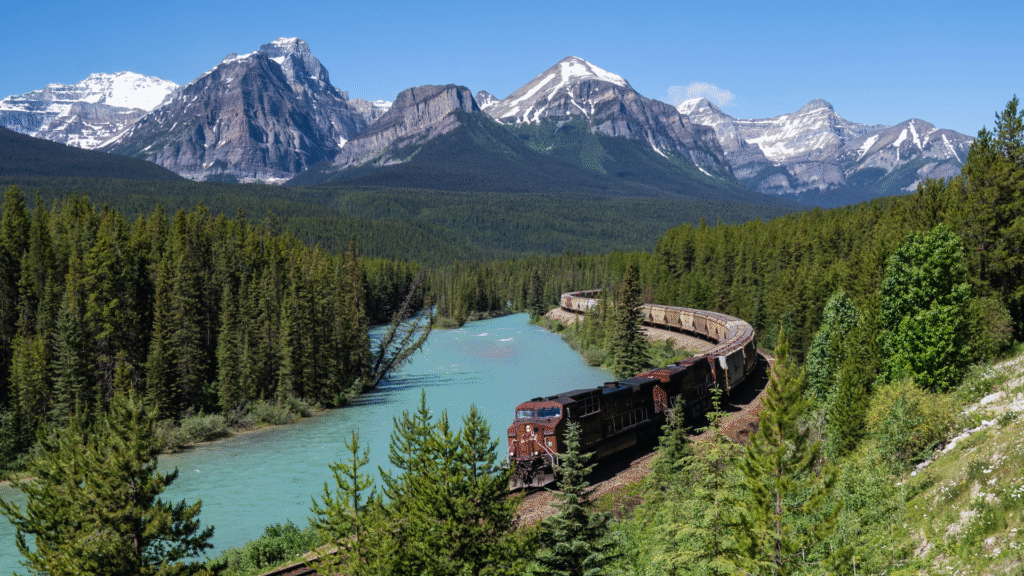

Aerial train photography combines the elegance of rail transport with the expansive perspective of aerial imaging. This genre showcases trains from a unique vantage point, revealing their intricate designs and the breathtaking landscapes they traverse. Photographers utilise drones and specialised equipment to capture both stunning images and dynamic videos that document trains in action.
Through collections of aerial photographs and footage, viewers can appreciate the scale and beauty of railways as they weave through various terrains. This approach offers a fresh outlook on a subject often seen from the ground level, making it a fascinating niche for both enthusiasts and casual observers. The ability to capture the interplay between trains and their surroundings opens up new possibilities for storytelling and artistic expression.
Understanding Aerial Train Photography
Aerial train photography combines the dynamics of train imagery with unique perspectives from above. This style often captures stunning landscapes, intricate train routes, and the built environment surrounding railways.
Basics of Aerial Photography
Aerial photography takes images from an elevated position, typically using drones or aircraft. This technique allows photographers to capture wide-ranging scenes, including panoramic images that showcase extensive railway networks.
The unique vantage point highlights trains in relation to their environment, providing context to their journey. Photographers often employ sector cameras or AI image generators for enhanced effects. Proper planning is essential, considering factors such as lighting, weather conditions, and safety regulations.
Using vectors in design can further enhance aerial train visuals by creating clean lines and shapes that lead the viewer’s eye. Sheer scale and detail transform perspectives, making train photography a compelling subject for exploration.
Different Types of Aerial Train Imagery
Aerial train imagery encompasses several styles, each with its own focus and technique. Some photographers specialise in 360° panoramic images, which offer immersive views that capture a wider scene.
These images draw attention to train movements within expansive settings. Other styles may focus on capturing trains at major infrastructure, like railway bridges or yards, highlighting engineering alongside nature.
Photographers may also experiment with various backgrounds to emphasise trains against urban or rural landscapes. Each choice impacts the mood and story conveyed through the image, making thoughtful selection crucial.
With the advancement in technology, aerial photography has greatly evolved, allowing for innovative compositions and captivating visuals.
Technical Aspects of Capturing Aerial Train Photographs
Capturing aerial train photographs involves a combination of specialised equipment, techniques, and post-processing skills. The following sections outline the essential tools and methods, as well as the processes to enhance and refine images.
Equipment and Techniques
The foundation of aerial train photography is the right equipment. High-resolution cameras, such as DSLRs or mirrorless models with a good dynamic range, are essential. A versatile zoom lens can accommodate various compositions, while a wide-angle lens captures expansive vistas.
Stabilisation equipment, like gimbals, helps maintain smooth footage during flight. Tripods can assist with stability when shooting from higher platforms. Proper exposure settings are vital, especially in varying light conditions. Additionally, employing filters, such as polarising or neutral density filters, can reduce glare and enhance colours.
Utilising Drones for Enhanced Aerial Shots
Drones provide unparalleled flexibility in aerial photography. Equipped with high-quality cameras, they can manoeuvre into hard-to-reach positions, granting unique perspectives on trains in motion. They allow for the shooting of dynamic scenes without the need for extensive ground setups.
When using drones, understanding flight regulations is crucial. Pilots must ensure they fly in permitted areas and maintain visual line-of-sight. Choosing the right altitude is significant. It allows capturing details while ensuring the train remains the focal point. Drone operators might incorporate advanced features like follow-me modes to track moving trains effortlessly.
Post-Processing and Image Editing
Post-processing is essential to refine aerial shots of trains. Using an image editor, photographers can enhance colours and adjust exposure levels to create a polished look. Basic alterations, such as cropping and straightening, can significantly improve composition.
Advanced techniques may include retouching to remove distractions and applying filters for artistic effects. Upscale options can increase image resolution without losing clarity. Using AI video generators can assist in creating engaging visual content, combining photographs and video footage for dynamic presentations.
Creative Applications in Aerial Train Photography
Aerial train photography offers unique perspectives that can enhance various creative projects. From sports and events to lifestyle themes, the applications of this style of photography are diverse and impactful.
Photography in Sport and Events
Aerial photography captures the dynamic nature of sports and events, particularly those involving trains, such as railroad races or railway festivals. By using drones, photographers can achieve sweeping views, showing not only the action but also the surrounding environment.
Aerial images can provide dramatic angles, highlighting the scale and excitement of events. These visuals can be used in promotional materials, social media, and press releases, enhancing engagement. Features like motion blur can convey speed and energy, while sharp images showcase intricate details of trains and spectators alike.
Incorporating tools such as mockup generators can help event organisers visualise promotional designs with aerial shots. This allows for quick edits and improved marketing strategies.
Lifestyle and Editorial Use
Aerial train photography can bring a narrative element to lifestyle and editorial projects. It lends itself well to storytelling, capturing scenes that evoke emotion and nostalgia associated with train journeys.
Photographers can highlight various aspects, such as scenic routes or historic stations. This approach enables a focus on the experience of travel and the landscapes along the way. Integrating background removers can help isolate train images, allowing them to be featured prominently in design templates or articles.
Additionally, using illustrations alongside photographs can create a cohesive visual theme for publications. This combination encourages creativity while maintaining editorial integrity, making the content visually appealing and engaging for readers.
Monetising Aerial Train Photography
Aerial train photography presents unique opportunities for monetisation, from selling stock content to directly working with industries that rely on high-quality imagery. By understanding various platforms and pricing strategies, photographers can effectively turn their passion into profit.
Stock Photography and Video Platforms
Photographers can upload their aerial train images to stock photography websites such as Shutterstock, Adobe Stock, and Getty Images. These platforms allow them to reach a global audience.
- Benefits: Exposure to a vast customer base can lead to consistent income.
- Strategy: Focus on high-quality, unique images to stand out.
- Earnings: Photographers receive a percentage of each sale, which varies by platform.
Regularly updating portfolios with seasonal and topical images can enhance visibility and sales potential.
Licensing and Pricing
Understanding licensing models is essential for setting the right price for aerial imagery. Common licence types include:
- Royalty-free: Customers pay once and use images multiple times.
- Rights-managed: Prices are set based on usage scope, duration, and geography.
Pricing strategies should consider the following:
- Depreciation of images based on demand.
- Competitor pricing to remain appealing.
- Custom packages for clients seeking extensive use or exclusive rights.
It’s crucial to communicate clear terms to avoid any misunderstandings.
Selling Aerial Imagery to Industries
Various industries require high-quality aerial imagery for specific needs. Potential markets include:
- Transport: Rail companies may seek imagery for marketing and route planning.
- Real Estate: Developers require aerial views to showcase properties.
- Advertising and Marketing: Agencies look for striking visuals to enhance campaigns.
Photographers can establish direct relationships with businesses, offering tailored packages that meet their needs.
Regular networking and showcasing work through social media can attract potential clients. By understanding industry demands and trends, photographers can position themselves effectively to make sales.