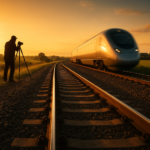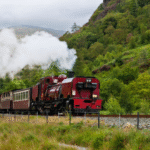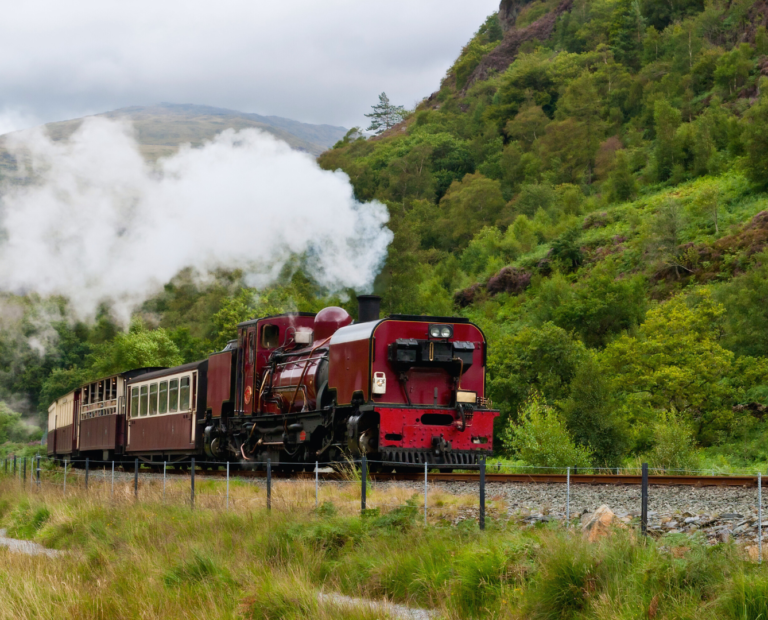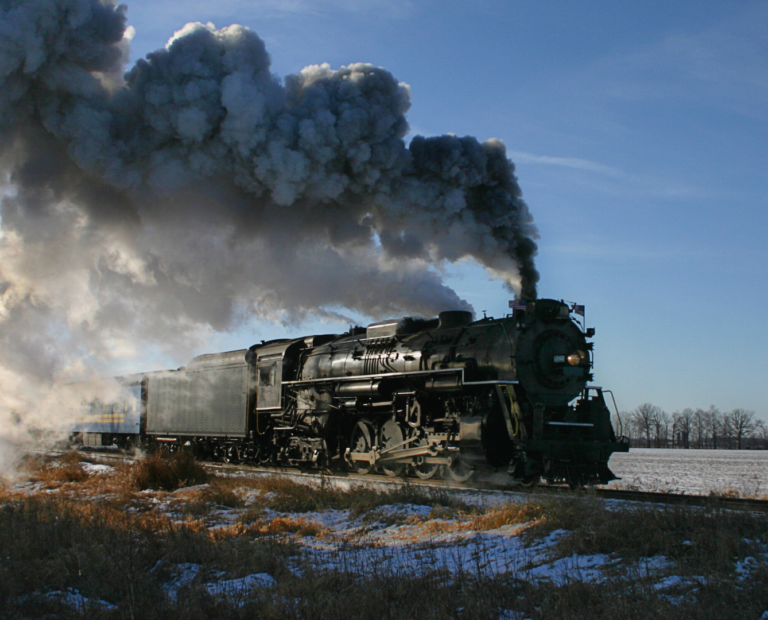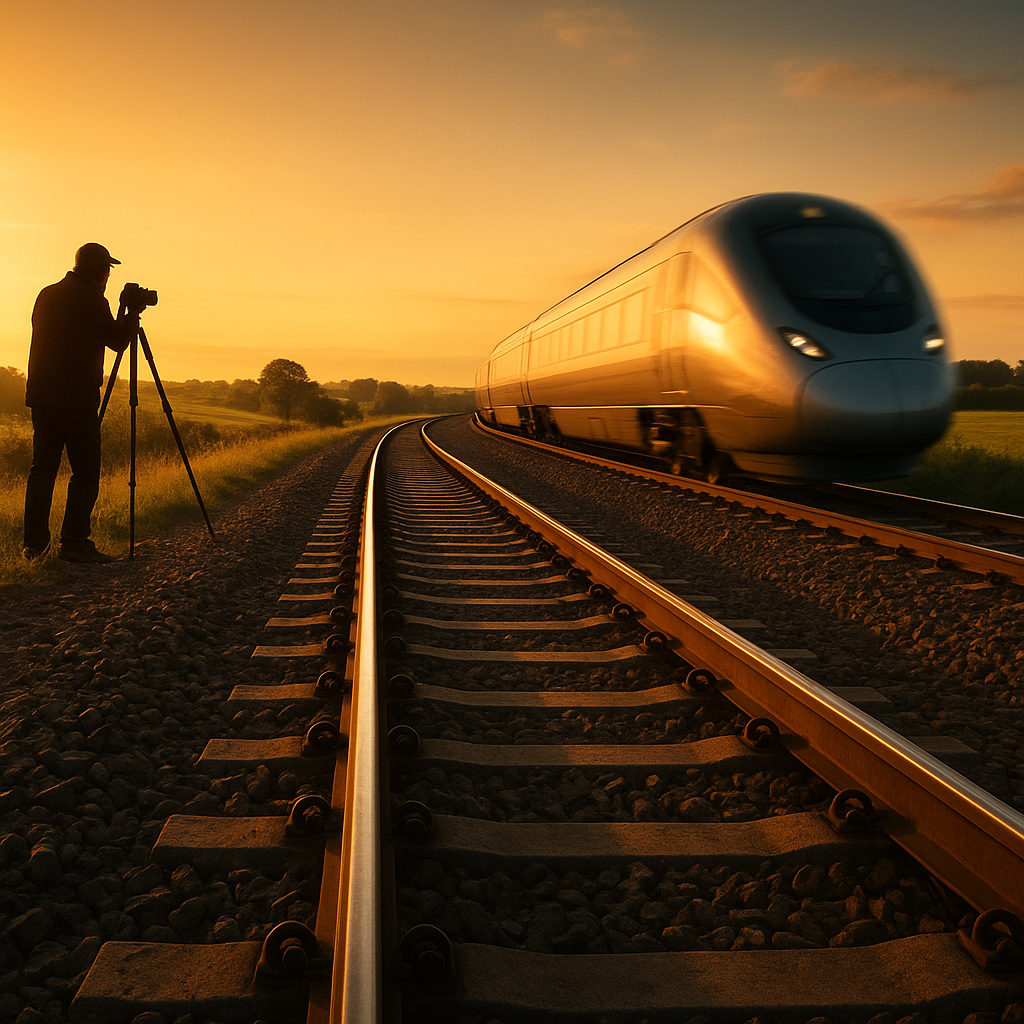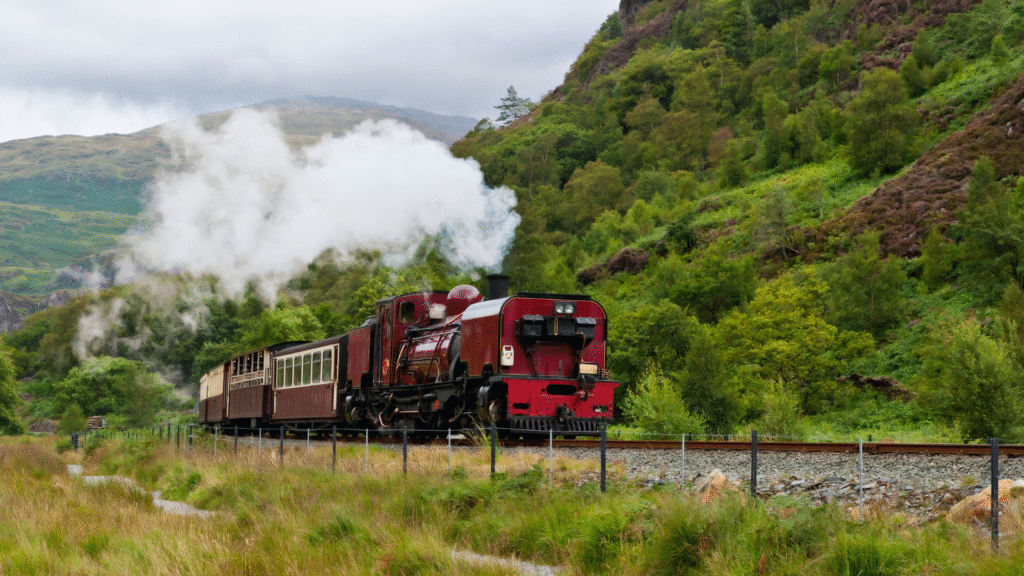

Capturing long-distance trains in action can be an exhilarating experience for photographers and train enthusiasts alike. To achieve striking photos, use a fast shutter speed to freeze motion while maintaining proper framing to showcase the train’s details and surroundings. Knowing the best locations and times for shooting will enhance the visual appeal of the images.
Understanding the dynamics of train movement and familiarising oneself with local schedules can significantly improve shooting opportunities. With the right equipment, such as a telephoto lens, photographers can create stunning images that evoke the sensation of speed and power associated with long-distance trains.
Consider the lighting conditions, as they can dramatically affect the quality of photographs. Early mornings or late afternoons often provide the best natural light. Capturing the energy of trains on their journeys adds a unique storytelling element to the photographs.
Understanding Long-Range Shooting Basics
Long-distance shooting requires a combination of the right equipment, proper technique, and an understanding of shooting fundamentals. Grasping these elements forms the foundation for achieving precision.
Essential Gear for Long-Distance Accuracy
The right gear significantly impacts long-range shooting success. Essential equipment includes:
- Quality Rifle: A rifle designed for precision shooting is crucial.
- Scope: A high-quality scope with appropriate magnification enhances target acquisition.
- Bipod: A stable bipod allows for a steady shooting platform.
- Rangefinder: This tool aids in determining the distance to the target accurately.
- Ballistics Calculator: It helps in calculating bullet drop and windage adjustments.
Investing in this gear not only improves accuracy but also enhances the shooter’s confidence during long-distance engagements.
Choosing the Right Rifle and Ammunition
Selecting a rifle and ammunition tailored for long-range shooting is vital. A few key considerations include:
- Calibre: Popular calibres for long-distance shooting include .308 Winchester and .338 Lapua Magnum, each offering specific benefits.
- Rifle Type: Bolt-action rifles are often preferred for their accuracy and consistency.
- Ammunition Quality: Match-grade ammunition provides greater consistency in performance and can significantly reduce group sizes.
Understanding the ballistics of chosen ammunition, including velocity and recoil, is essential for effective long-range shooting.
Shooting Fundamentals and Techniques
Mastering shooting fundamentals is critical for success in long-range shooting. Key techniques involve:
- Stance: A stable, balanced stance ensures control.
- Breath Control: Developing a breathing technique helps steady the aim.
- Trigger Control: A smooth trigger pull prevents jerking, which can lead to inaccuracies.
- Follow Through: Maintaining focus on the target after the shot is fired is essential for precision.
Practising these fundamentals regularly builds muscle memory and confidence, which are essential for success in precision shooting.
Mastering Shooting Techniques and Positions
To achieve proficiency in long-distance shooting, mastering specific techniques and adopting effective positions are essential. The following key areas focus on vital skills including breath control, trigger discipline, and the adoption of proper shooting stances.
Breathing and Trigger Control
Breathing is crucial in stabilising the body and minimising movement. A common technique is to inhale deeply, hold the breath briefly, and then exhale slowly while pressing the trigger. This helps in achieving a steady aim.
Trigger control is equally important. The shooter should apply gentle, consistent pressure on the trigger rather than jerking it. This can be practised using dry firing techniques, which develop sensitivity and precision without the need for ammunition.
The Prone Position and Other Effective Stances
The prone position offers stability, making it an ideal choice for long-distance shooting. In this stance, the shooter lies flat on the ground with the rifle rested on their arms or a bipod. This position reduces body movement, allowing for improved accuracy.
Other effective stances include sitting or kneeling positions. These may be used when terrain or circumstances make the prone position impractical. Key elements such as a solid grip, a steady base, and body alignment are essential in all positions to enhance shooting performance.
Practising for Muscle Memory and Precision
Muscle memory is developed through repetitive practice, allowing the shooter to perform techniques instinctively. Regular training sessions focusing on trigger control and breathing will reinforce these motions.
Short, focused drills can enhance precision. Techniques such as shooting at varying distances or utilising different positions will keep skills sharp. Maintaining a training log can also aid in tracking progress and identifying areas for improvement. Regular reflection on technique ensures continuous development.
Ballistics and Environmental Considerations
Understanding the dynamics of ballistics and environmental factors is crucial when shooting long-distance trains. Key aspects include how bullets behave over distance and the impact of varying environmental conditions.
External Ballistics and Bullet Drop
External ballistics studies the behaviour of a bullet once it leaves the barrel. Bullet drop occurs due to gravity, affecting accuracy over long distances. The trajectory is influenced by the calibre, weight, and initial velocity of the bullet.
To account for bullet drop, shooters must calculate the drop at specific distances. This can be done using ballistic calculators or charts. For example:
- Calibre: Heavier bullets drop less over distance.
- Distance: Bullet drop increases with longer ranges.
Adjusting the sight or aiming slightly higher compensates for this.
Effect of Environmental Conditions on Precision
Environmental conditions significantly affect shooting precision. Factors such as temperature, humidity, and air pressure impact the bullet’s flight path. High humidity can cause bullets to experience less drag, while lower temperatures may increase air density.
A shooter must consider these variations when assessing their shot. Atmospheric changes can alter the point of impact. Therefore, regularly checking local conditions and using this data to adjust the aim is essential for improved accuracy.
Reading Wind and Atmospheric Factors
Wind is a critical environmental factor. It can push bullets off course, requiring adjustments for accurate shooting. Understanding wind direction and speed is vital.
To read the wind, shooters should:
- Observe surroundings: Look at trees, grass, or flags to gauge wind direction.
- Use wind flags: If available, these provide clear wind direction indicators.
- Calculate wind drift: This involves estimating how much wind will displace the bullet over the distance.
By taking these steps, the shooter can make informed adjustments to counteract the wind’s effects.
Advanced Equipment and Adjustments
When aiming to shoot long-distance trains, particular equipment and precise adjustments are crucial for accuracy. This section discusses the essential optics, support gear, and customisations to optimise performance.
Optics, Rangefinders, and Reticles
High-quality optics are vital for spotting distant trains. A scope with a magnification of at least 10x is recommended to clearly view details at long ranges. Users should consider features like Focal Plane choice and MIL/MOA reticles for effective range estimation.
A laser rangefinder can determine the distance to a target quickly. For long-range accuracy, it’s critical to account for factors like bullet drop and environmental conditions. Parallax adjustment enables focusing on the target without shifting the reticle, improving precision.
Setting Up Bipods, Tripods and Support Gear
Stable support is essential for minimal movement during a shot. A bipod should be mounted on a Picatinny rail for easy attachment and removal. Ensure that it is adjustable for height, allowing for various shooting positions.
In contrast, a tripod can provide added stability for extended observation. The right gear setup facilitates the smooth tracking of fast-moving trains. Additionally, utilising a rear bag adds further support and maintains rifle alignment.
Rifle Customisation and Maintenance
Customising a rifle enhances both performance and comfort. A custom rifle can be tailored for specific ammunition types, promoting better grouping at longer distances. Attention to eye relief is critical; this ensures the shooter maintains a proper sight picture while avoiding recoil-related injuries.
Regular maintenance is important to ensure consistent performance. Clean the barrel and assess all mechanical components frequently. This includes checking that the scope is securely mounted and that all adjustments function correctly to maintain accuracy.