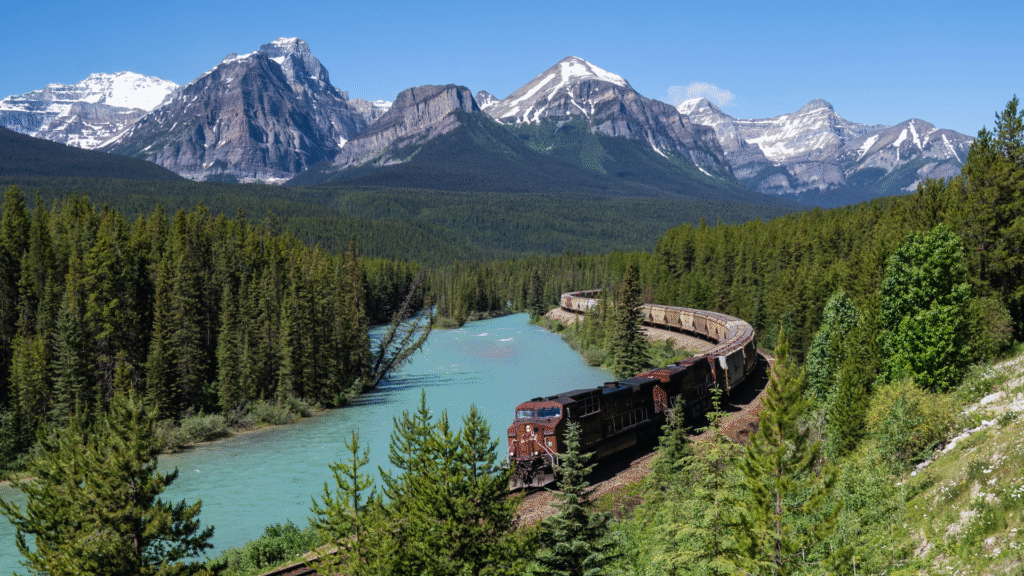

Photographing trains during extreme weather can be both a challenge and an opportunity. This unique setting provides striking visuals and dramatic atmospheres that can elevate any train photography portfolio. To successfully capture these moments, one must understand how weather impacts lighting, settings, and safety while utilising the right equipment.
Preparation is key when venturing out in challenging conditions. Having the correct gear not only ensures the photographer’s safety but also enhances the quality of the images captured. Factors like wind, rain, or snow can affect both the camera’s performance and the final result, making it vital for photographers to be well-versed in adapting their techniques to these elements.
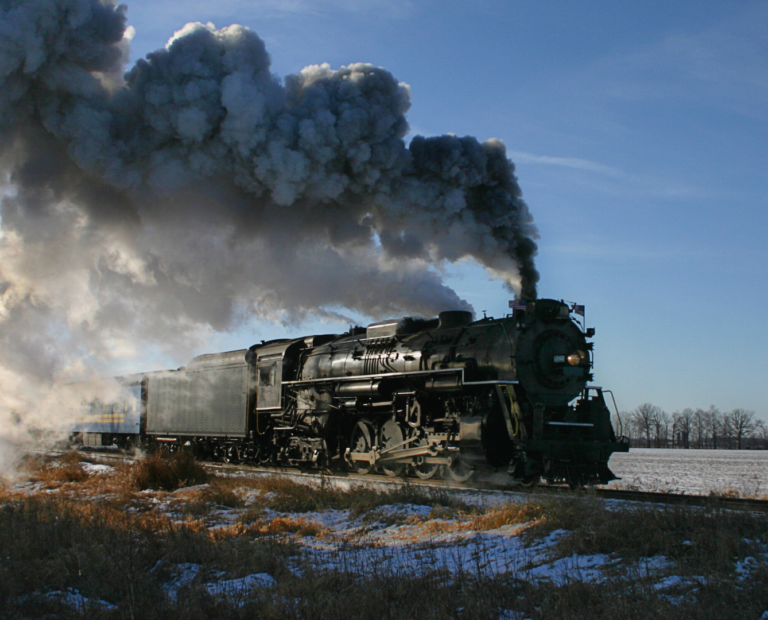
Extreme weather can also create perfect backdrops for train photography. The contrast of a vibrant train against a snowy landscape or the reflections from puddles after a rainstorm can lead to unique compositions. Embracing these conditions and knowing how to adjust settings can result in stunning photographs that tell a compelling story.
Understanding Weather Patterns and Photography Challenges
Photographing trains during extreme weather presents unique challenges. Knowledge of weather patterns can enhance photographic opportunities and help in preparing for the elements.
Predicting and Preparing for Extreme Weather Conditions
Weather forecasting tools are essential for any photographer aiming to capture trains amidst storms or severe conditions. Apps such as Windy and weather.com provide real-time updates on precipitation, wind direction, and temperature.
Understanding local weather patterns can improve planning. For instance, a storm typically brings dramatic skies and intense light contrasts. Photographers should also consider how seasons impact visibility. Winter weather can create stunning snow-covered landscapes, but it may reduce train visibility.
Preparation is key; both time of day and weather conditions can influence the shots taken. Early morning or late afternoon light often highlights trains against gloomy backdrops. Staying informed allows for timely decisions to capture the best images.
Protecting Your Gear in Harsh Conditions
Harsh weather can compromise photographic equipment. Proper protection is vital for longevity and maintaining quality. Investing in weather-sealed camera bodies and lenses can mitigate the effects of moisture and dust.
For extreme weather, utilizing rain cover is essential. These covers shield cameras from rain and snow, allowing for flexibility without compromising equipment. Additionally, silica gel packets can help absorb moisture inside bags.
It’s wise to carry extra batteries as cold conditions can drain them quickly. Using lens cloths helps keep lenses free of water droplets and fog. Always be cautious while shooting near bodies of water, as waves can pose risks to both the photographer and the gear.
Camera Settings and Techniques for Capturing Trains
To effectively photograph trains, especially during extreme weather, specific camera settings and techniques are essential. Focusing on shutter speed, stability, and long exposure can greatly enhance the quality of images captured in challenging conditions.
Optimising Shutter Speed for Moving Trains
Shutter speed plays a critical role in photographing moving trains. A faster shutter speed, such as 1/500s or faster, is crucial to freeze motion, ensuring the train is sharp and clear.
For lower speeds, around 1/250s, panning techniques can also be applied. This involves moving the camera along with the train, allowing for a sharp subject with a blurred background.
Consider the lighting conditions as well; during overcast or extreme weather, a higher ISO may be necessary to maintain optimal shutter speed without introducing noise.
Leveraging Tripods for Stability in Adverse Weather
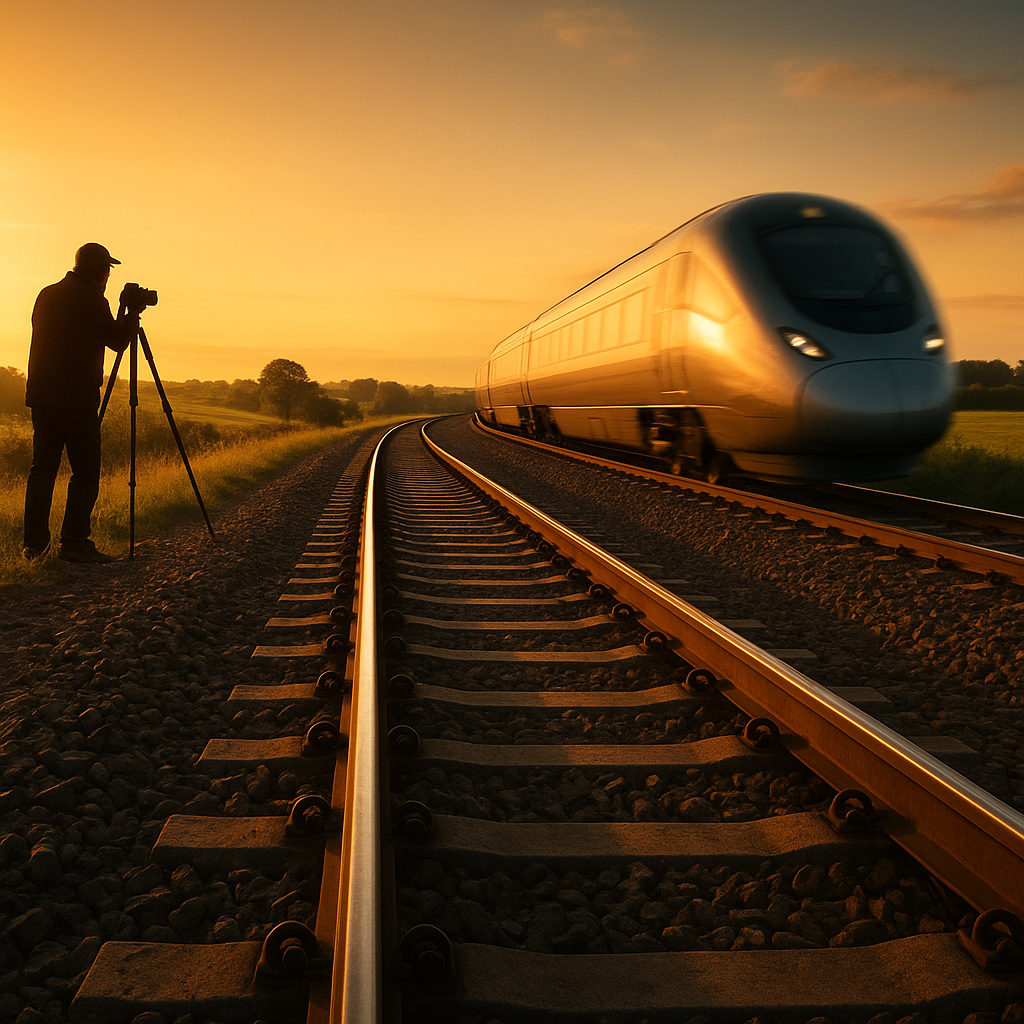
Using a tripod is vital for maintaining stability, especially in windy conditions or low light. A sturdy tripod reduces camera shake and helps achieve sharp images, particularly at slower shutter speeds.
For best results, set the camera to a low ISO and use slower shutter speeds alongside the tripod to capture details in the train and surroundings.
It’s advisable to use a tripod with a weight hook, which adds stability against gusts of wind. If conditions are too severe, employing a rain cover for the tripod and camera can protect equipment while shooting.
Utilising Long Exposure to Capture Motion
Long exposure techniques can create compelling images of moving trains. By setting a shutter speed of 1 second or longer, one can capture the movement of the train while creating a surreal effect in the surrounding environment.
To achieve this, use a neutral density (ND) filter. This filter reduces light intake, allowing for longer exposures in bright conditions.
Ensure the camera is on a sturdy tripod to avoid any blur from the camera itself during the exposure. Long exposure can also enhance weather elements, such as rain or fog, to create dynamic and dramatic train imagery.
Composition and Perspective in Train Photography
Effective composition and perspective are crucial in train photography, especially under extreme weather conditions. They help capture the essence of the subject while integrating it with the surrounding environment. Attention to detail in composition can elevate the impact of images.
Incorporating Trains within the Landscape
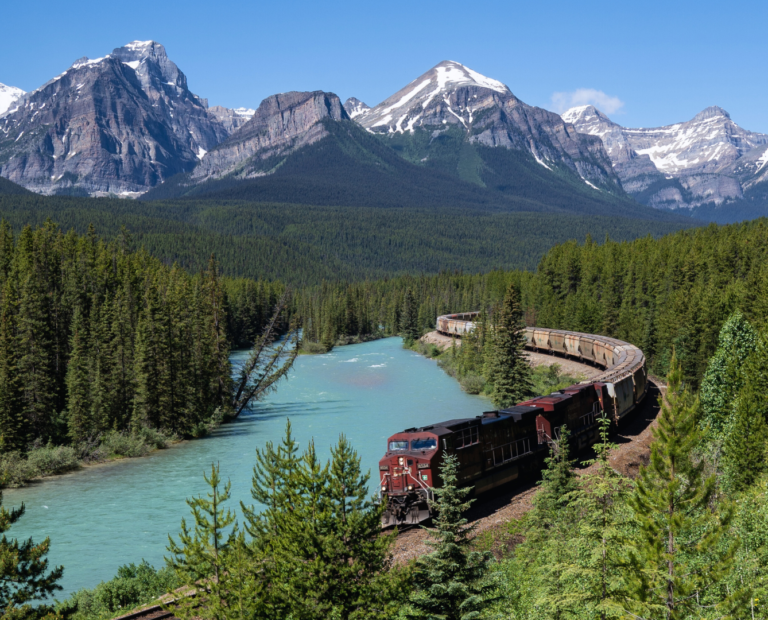
Incorporating trains within the landscape allows for storytelling through imagery. A long view of a train moving through rolling hills or entering a stormy valley can communicate the journey and drama.
Using leading lines, such as tracks or roads, will guide the viewer’s eye towards the train. Placing the train in relation to notable landscape features, like mountains or rivers, creates a sense of scale and context.
Adjusting positions for different times of day can enhance the mood; for instance, a train emerging from fog can evoke mystery. The backdrop should harmonise with the train’s colours, ensuring it stands out while still being part of the larger scene.
Emphasising Foreground Elements for Depth
Foreground elements add depth to a composition and create a layered effect. Including elements such as grasses, rocks, or other objects can frame the train. This placement can guide the viewer toward the main subject, enhancing visual interest.
Selecting foreground objects that reflect the weather conditions can also set the tone. For example, droplets of rain on a flower or snow-covered branches will resonate with the atmospheric conditions.
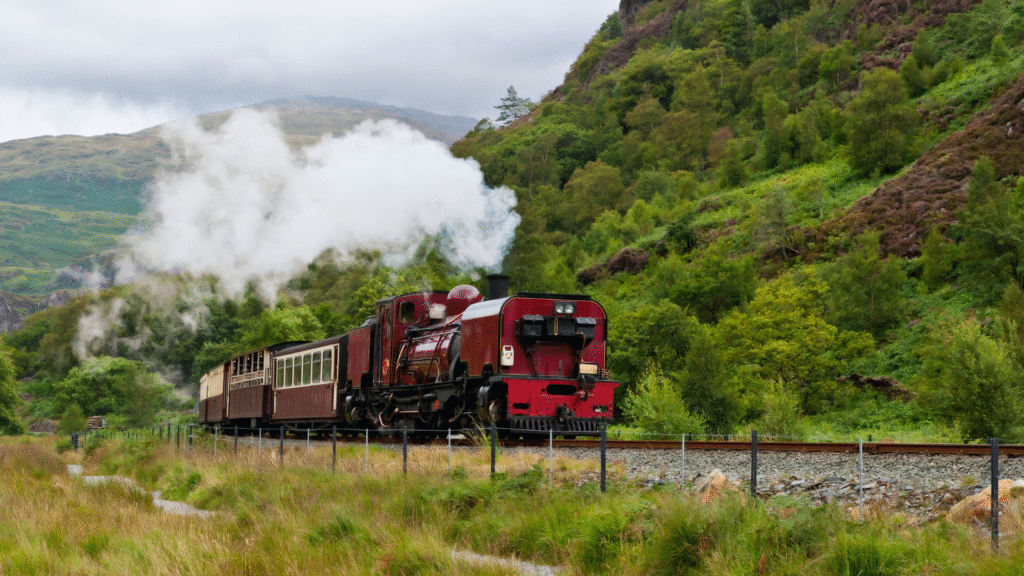
Timing is key; waiting for the right moment to photograph a train appearing through misty vapours can be rewarding. The interaction between foreground, train, and backdrop can add a sense of realism and drama to railway photography.
Using Wide-Angle Lenses for Dramatic Effects
Wide-angle lenses can dramatically alter the perception of a scene. They allow for more of the environment to be included, making the train appear to inhabit a broader context.
Such lenses can also exaggerate perspective. For instance, positioning the camera close to the tracks while capturing a train speeding by can convey motion and intensity. This technique emphasises the scale of the train compared to its surroundings.
When photographing in extreme weather, wide-angle lenses can accentuate dramatic skies and weather elements, enhancing the emotional impact of the image. The combination creates a compelling narrative that showcases the resilience and power of rail transport amidst nature’s extremes.
Post-Processing Techniques for Enhanced Images
Post-processing is essential for improving train photography captured in extreme weather conditions. Editing techniques can enhance visibility and maintain colour accuracy, resulting in striking images that convey the atmosphere of the scene.
Editing for Clarity and Detail Amidst Low Light
In low light conditions, clarity becomes paramount. Using software like Adobe Lightroom or Photoshop, it is advisable to adjust the exposure and contrast to reveal hidden details.
- Increase Shadows: Lift shadows to unveil details in darker areas without losing the atmosphere.
- Clarity Slide: Apply clarity to add mid-tone contrast, enhancing texture and detail, particularly on train surfaces.
Apply noise reduction to manage graininess that often accompanies high ISO levels in low light. This will ensure the train remains sharp while keeping the image clean. A wide-angle lens can also be beneficial for capturing more of the scene, including dramatic skies, which can enhance the overall composition.
Colour Correction for Natural-Looking Scenes
Weather conditions may alter colours; hence colour correction is crucial. Start with white balance adjustments, especially if the image appears too cool or warm due to lighting changes.
- Use of HSL sliders: Adjust the Hue, Saturation, and Luminance sliders for specific colours to achieve natural tones.
- Split Toning: This can help correct any colour casts while adding subtle mood through highlights and shadows.
For authenticity, avoid over-saturation. Aim for a natural look that reflects the true environment at the time of capture. Keeping colours true to life enhances the viewer’s connection to the scene and underscores the train’s presence within it.