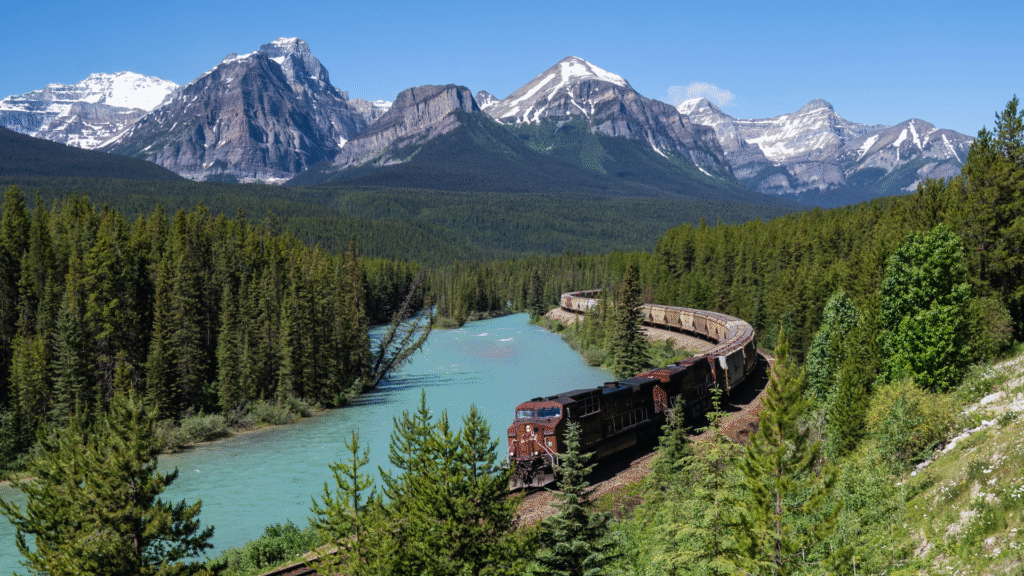

Capturing the beauty of trains through the changing seasons offers a unique perspective for photographers. Each season presents distinct opportunities, from the vibrant greens of spring to the starkness of winter landscapes. By adjusting techniques and gear to match the seasonal variations, one can create stunning images that reflect the essence of each moment.
The rhythmic motion of trains against varied backdrops can tell captivating stories. In autumn, for instance, the rich tapestry of falling leaves enhances the nostalgic charm of steam engines, while the fresh snow of winter creates a breathtaking contrast for modern railways. Photographers can enhance their skills by understanding the nuances of light, colour, and composition related to each season.
Venturing out to photograph trains not only nurtures a passion for railways but also connects one with the environment. Both the train and its surroundings interact to form a narrative that goes beyond a mere image. Seasonal train photography becomes a way to appreciate the beauty of nature alongside the marvel of engineering.
Understanding the Basics of Train Photography
Mastering train photography requires knowledge of camera settings and composition techniques. These fundamentals play a crucial role in capturing compelling images of trains throughout the seasons.
Essentials of Camera Settings
When photographing trains, crucial camera settings include shutter speed, ISO, and aperture.
- Shutter Speed: A faster shutter speed (1/500s or faster) freezes motion, ideal for capturing trains in motion. Slower speeds can create motion blur, emphasising speed but requiring stable support.
- ISO: Adjust the ISO based on lighting conditions. A lower ISO (100-400) produces clearer images with less noise in bright conditions, while a higher ISO (800-3200) is useful in low light, though increased noise can reduce image quality.
- Aperture: A wider aperture (e.g., f/2.8) allows more light, suitable for low light but narrows the depth of field. A smaller aperture (e.g., f/8 or f/11) provides greater depth of field, keeping more of the scene in focus.
Composing the Perfect Shot
Composition significantly influences the impact of train photographs. Applying the rule of thirds can create more engaging images.
- Rule of Thirds: This principle suggests dividing the frame into a 3×3 grid. Positioning key elements along these lines or at their intersections enhances visual interest.
- Foreground Interest: Include elements like tracks, trees, or signals in the foreground to lead the viewer’s eye toward the train.
- Framing and Leading Lines: Utilize natural lines to guide attention. Tracks or roadways can direct focus to the approaching train and add depth to the composition.
By mastering these basics, photographers can enhance their trained photography skills and create striking visuals across different seasons.
Capturing the Essence of Seasons
Photographing trains throughout the seasons reveals the unique character each period brings to the railway landscape. From the vibrant blooms of spring to the stark beauty of winter’s snow, each season presents distinct opportunities and challenges for photographers.
Spring’s Renewal: Blooms and Locomotives
Spring is a time of renewal, where vibrant flowers burst forth and life reawakens. Photographers can capture steam trains against a backdrop of blossoming trees and fields. The early morning light enhances the colours, creating a rich contrast with the engines.
Ideal weather conditions often feature soft, diffused sunlight. This light brings out the intricate details of vintage locomotives while adding warmth to fresh greens. New buds and blooming flowers can frame the trains beautifully, making for memorable compositions.
Photographers should also consider incorporating seasonal festivals or events related to railways to highlight the connection between nature and locomotion.
Summer’s Vibrancy: Long Days and Clear Skies
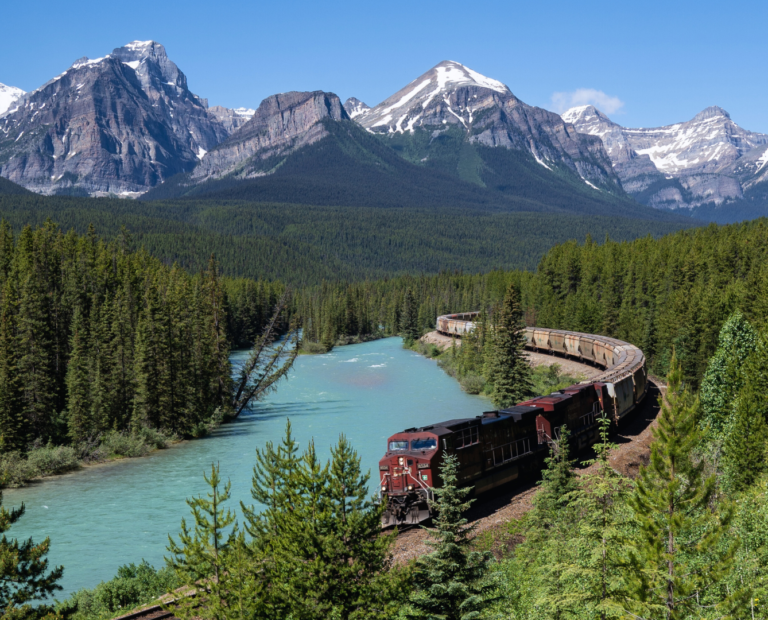
Summer offers extended daylight hours and vivid colours, ideal for railway photography. Clear skies provide a striking backdrop for steam engines, allowing photographers to capture the powerful presence of trains crossing open landscapes.
The lush greenery and vibrant flowers during this season contribute to dynamic compositions. Photographers can utilise the golden hour—just after sunrise and before sunset—for softer, warmer tones. This lighting enhances the richness of the scenery surrounding the locomotives.
Consider capturing trains during operational excursions, such as scenic tours, to depict their role in summer adventures. Action shots, with the sun glinting off polished metal, add energy to the images.
Autumn’s Palette: Fading Light and Falling Leaves
Autumn transforms landscapes into a canvas of rich oranges, reds, and yellows. This season presents unique opportunities to photograph trains surrounded by foliage in full colour. The low-angle sunlight during this time creates dramatic shadows and highlights.
Steam trains in particular exhibit a nostalgic charm against the backdrop of fallen leaves. Photographers can experiment with different perspectives, using the colours as frames. Foggy mornings can also add moodiness to shots, enhancing the sense of adventure.
Shoot in the late afternoon to capture long shadows and soft light. This can accentuate the details of vintage locomotives while creating a warm atmosphere, connecting the viewer to the season’s transitional beauty.
Winter’s Contrast: Snow-Covered Tracks and Steam
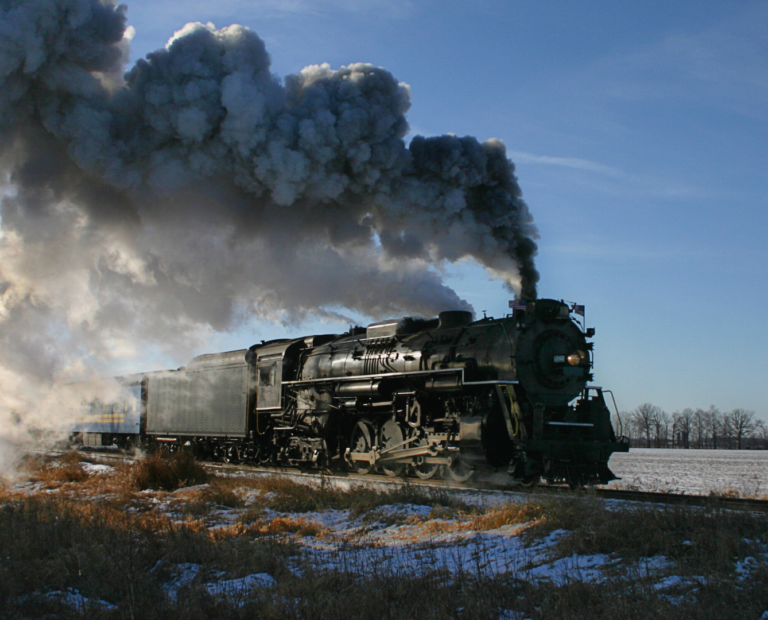
Winter offers stark contrasts that can produce striking images. Snow-covered tracks and the billowing steam from locomotives create a dramatic visual tableau. The serene whiteness of the landscape can make the vibrant colours of vintage locomotives stand out.
Photographers should adapt to harsh weather conditions by protecting their equipment while being mindful of exposure settings. Bright reflective snow can trick cameras, so adjustments may be necessary to accurately capture details.
Capturing steam rising against a backdrop of frosty mornings adds a sense of warmth to the icy scenes. Early mornings are particularly effective; the soft light enhances textures and reflections, producing rich imagery of trains in winter settings.
Strategic Locations and Vantage Points
Choosing the right locations and vantage points can transform train photography, allowing for unique compositions across different seasons. Various settings, including iconic railway lines, urban environments, and picturesque rural areas, provide distinctive photographic opportunities.
Iconic Railway Lines and Heritage Sites
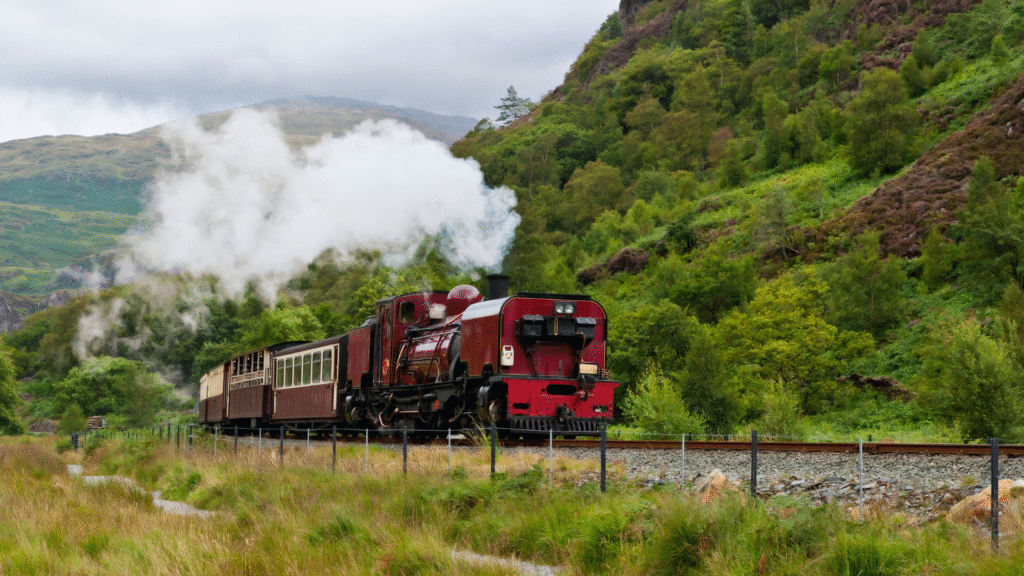
Iconic railway lines, such as the West Highland Line in Scotland, offer dramatic backdrops featuring mountains and lochs. These routes often include notable heritage sites where vintage steam trains operate, enhancing the nostalgic feel of photographs.
Photographers benefit from vantage points like bridges or hills, which allow for sweeping shots of trains crossing scenic landscapes. Planning ahead for specific seasons can capture the changing colours of foliage or the brightness of spring flowers alongside the trains.
Urban Tracks and Industrial Landscapes
Urban railway settings provide a contrast to rural landscapes, showcasing trains in dynamic environments. Locations near industrial areas often feature unique architecture and urban scenery. The juxtaposition of modern trains against older structures can create striking visuals.
Vantage points such as elevated platforms or pedestrian bridges are ideal for capturing trains moving through bustling cityscapes. Additionally, night photography around railway stations can produce dramatic images with artificial lighting enhancing the scene’s mood.
Rural Settings and Scenic Backdrops
Rural settings present tranquil environments ideal for train photography. Open fields, rolling hills, and winding tracks create picturesque compositions. Seasonal variations add further interest, with snow-covered landscapes in winter and lush greenery in summer.
Photographers should scout for vantage points like country roads or hilltops, which provide unobstructed views of trains as they travel. Incorporating foreground elements such as wildflowers or fences enhances depth, making the shots more engaging.
Special Considerations in Train Photography
Train photography presents unique challenges and opportunities. Addressing technical aspects, capturing the detail within train interiors, and ensuring safety and legality are crucial for the photographer.
Technical Challenges: Motion and Light
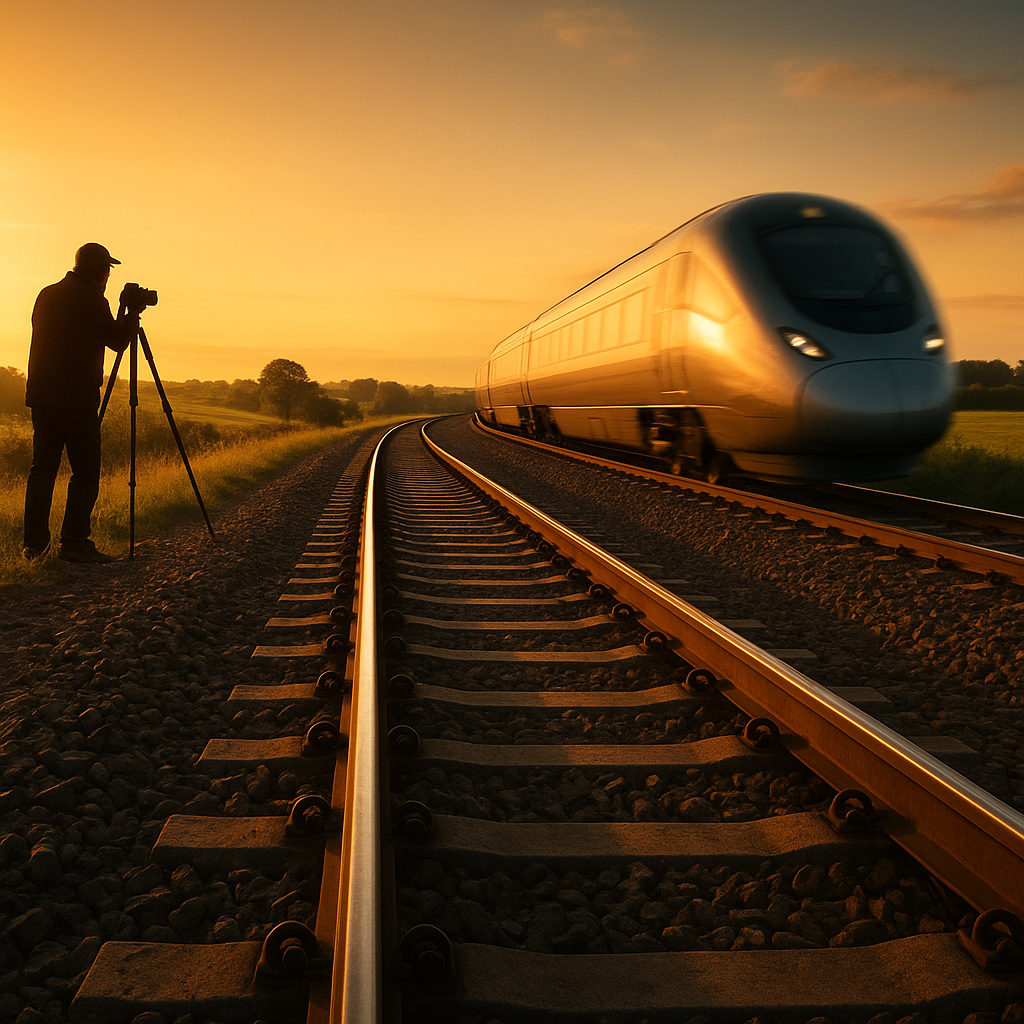
Capturing trains in motion requires a good understanding of shutter speeds. A slower shutter speed can create desirable motion blur, highlighting the speed of the train. In contrast, a faster shutter speed freezes the action, allowing for sharp details.
Light conditions are essential; photographers should be aware of the golden hours—early morning and late afternoon—when natural light enhances the scene. Additionally, using techniques such as panning can help convey motion effectively while keeping focal subjects clear.
Interior Photography: Capturing Detail Inside Trains
Photographers often overlook train interiors, which offer rich details. When photographing interiors, wide-angle lenses can capture the entire space, while prime lenses help focus on specific features like seating arrangements and signage.
Lighting inside trains can vary. Natural light from windows can illuminate details, but it’s advisable to bring supplemental lighting for darker corners. This approach ensures a balanced exposure and captures textures in upholstery and woodwork.
Safety and Legality: Liaising with the British Transport Police
Safety is paramount in train photography. Photographers must understand the legalities of photographing near or on railway property. Obtaining permission from the British Transport Police is often necessary to prevent trespassing.
When in proximity to running trains, maintaining a safe distance is critical. Awareness of surroundings and ensuring no obstruction to railway operations is essential. Engaging with railway staff for guidance can also help photographers navigate these regulations.