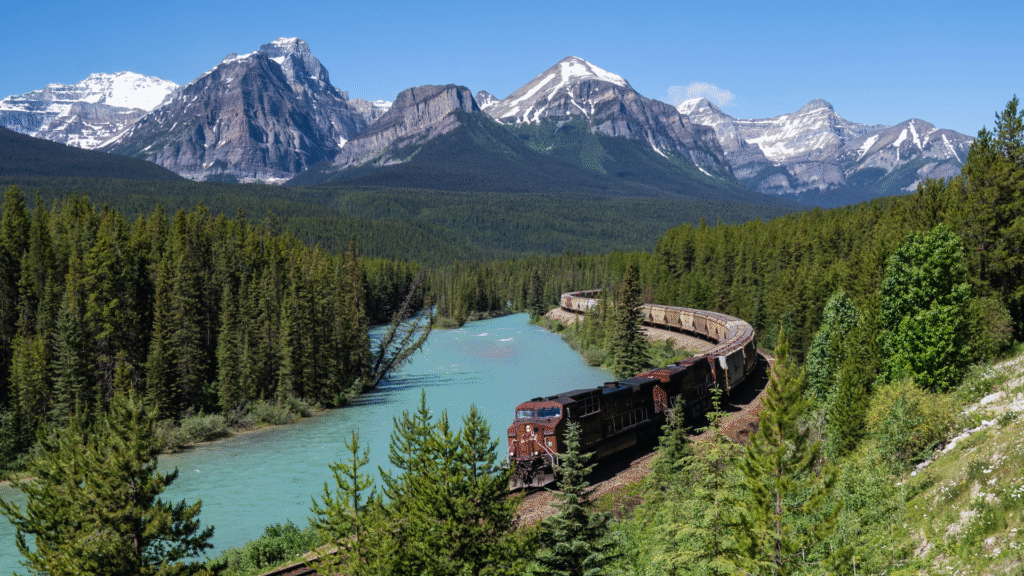
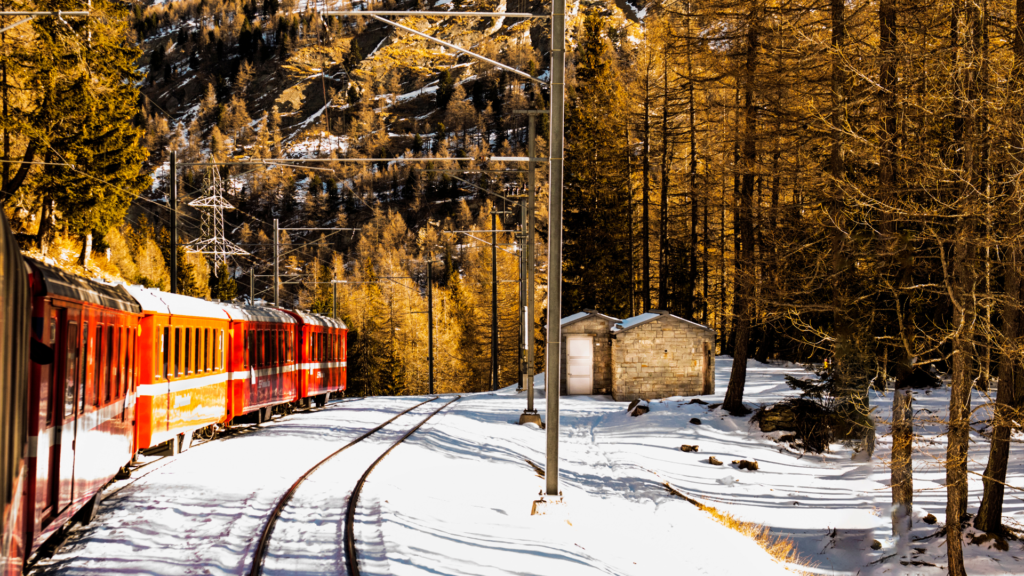
Exploring the world by train offers unparalleled opportunities for wildlife photography. Many scenic train journeys traverse diverse landscapes, allowing photographers to capture animals in their natural habitats. Some of the best train routes for photographing wildlife combine breathtaking views with prime opportunities to see and photograph unique species.
From the rolling hills of the Scottish Highlands to the dense forests of Norway, each rail journey presents distinct ecosystems. These environments are often rich with various wildlife, making them ideal for capturing stunning images. Photographers can spot everything from majestic deer to elusive birds, all while enjoying the comfort of train travel.
Those seeking an adventure will find that planning a route specifically for wildlife photography can yield impressive results. Many trains have large windows and observation cars, enhancing the experience. Choosing the right train route is key to maximising the chance of capturing memorable wildlife shots.
Selecting the Perfect Train Route for Wildlife Photography
Selecting the right train route is crucial for capturing stunning wildlife photographs. Factors such as scenery, timing, and local fauna can greatly enhance the experience and the final results.
Factors to Consider When Choosing a Route
When choosing a train route for wildlife photography, several factors come into play.
Scenic Value: Routes through national parks or nature reserves offer the best chances for spotting diverse species.
Timing Matters: Early mornings and late afternoons are prime times for wildlife activity.
Seasonal Considerations: The migration patterns or breeding seasons of animals can affect sightings.
Comfort and Accessibility: Ensure the train has either large windows or open viewing platforms for unobstructed shots.
Photography-Friendly Services: Some trains may provide guided tours focused on wildlife, enhancing the experience.
Europe’s Top Train Journeys for Spotting Wildlife
Europe offers several exceptional train journeys for wildlife photography. The Bernina Express in Switzerland provides breathtaking views of the Alps and opportunities to photograph ibex and chamois against dramatic backdrops.
The Glacier Express, also in Switzerland, travels through landscapes that are home to marmots and eagles. Both trains have panoramic windows that facilitate excellent viewing conditions.
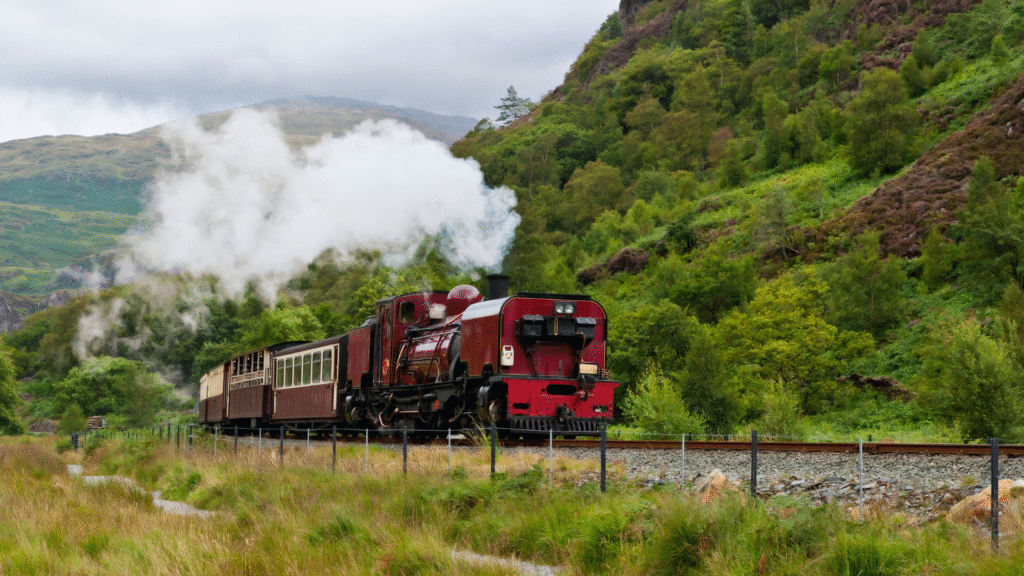
The West Highland Line in Scotland is another highlight. It weaves through lush glens and near lochs, making it ideal for spotting red deer and various bird species. The scenic abundance makes each journey a potential treasure trove for wildlife photographers.
North America’s Premier Wildlife Viewing by Rail
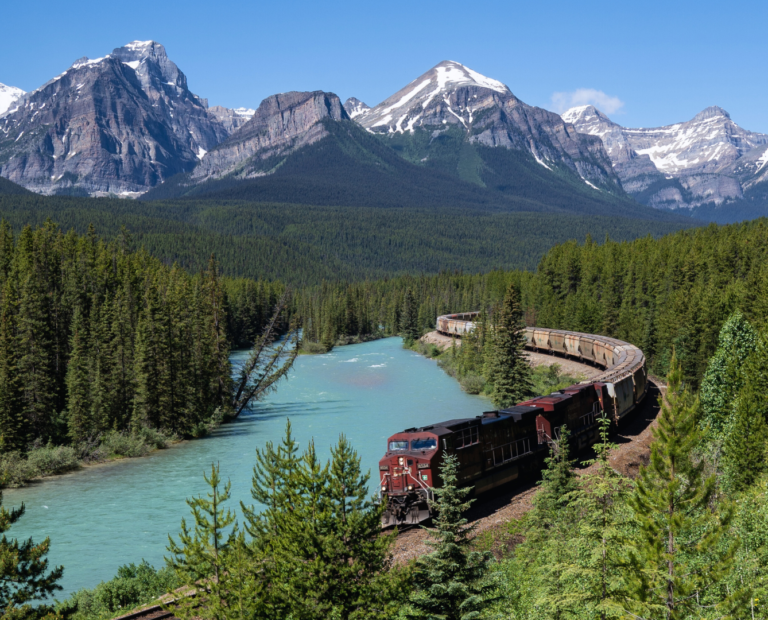
North America boasts some remarkable rail routes for wildlife observation. The Rocky Mountaineer in Canada is renowned for its spectacular views of the Canadian Rockies. Travellers often catch glimpses of bears, elk, and sometimes wolves in their natural habitat.
Another prominent route is the California Zephyr, travelling through the Sierra Nevada and Rocky Mountains. This route offers opportunities to see bighorn sheep and various birdlife.
In Alaska, the Denali Star train showcases stunning vistas and a chance to see moose, caribou, and bears. Photographers should always have their cameras ready, as wildlife can often appear unexpectedly.
Iconic Wildlife and Scenery by Region
Each region offers unique opportunities for wildlife photography from train journeys. Diverse habitats provide glimpses of notable species and stunning landscapes, making these routes ideal for photographers.
European Wildlife Through the Lens
In Europe, train routes like the Glacier Express in Switzerland are perfect for capturing stunning landscapes and wildlife. Passengers may spot mountain goats grazing on rocky cliffs and elk roaming through the forests.
The vast wetlands of Poland’s Biebrza National Park are also accessible by rail. Here, photographers can capture various bird species, including rare seabirds and vibrant butterflies. The changing seasons provide a backdrop of blossoms in spring and rich colours in autumn.
Capturing North America’s Majestic Creatures
The Amtrak Empire Builder in the United States showcases breathtaking views of the northern landscape. Travellers can photograph grizzly bears along the riversides during spring months when they emerge from hibernation.
Another notable route is the Rocky Mountaineer in Canada, which traverses stunning mountain scenery. Passengers may catch glimpses of bald eagles soaring above and elk during their autumn rut. This journey combines majestic wildlife and dramatic views.
African Adventures on the Rails
Train journeys in Africa, like the Blue Train, offer a chance to photograph the big five in their natural habitats. Travelling through Kruger National Park, passengers can capture images of leopards, hippos, and other iconic species.
The scenic landscapes from these trains are as captivating as the wildlife. Sunsets over the savannah and lush riverbanks create opportunities for striking photographs. Moreover, observing meerkats and diverse bird species adds to the experience.
Asia’s Exotic Wildlife from the Train Carriage
In Asia, the Darjeeling Himalayan Railway offers a unique perspective on wildlife through the lens of the train. Passengers may encounter rare species like the red panda while enjoying exquisite views of the mountains.
Travelling along the Trans-Siberian Railway allows for sightings of Siberian tigers and various avian species in the Russian wilderness. This long journey provides extensive opportunities for capturing the region’s exotic wildlife amidst vast, unspoilt landscapes.
Essential Tips for Capturing Stunning Wildlife Photography from Trains
Capturing wildlife photography from a train offers unique opportunities. Key aspects include timing, equipment, and ethical considerations, all crucial for successful photography.
The Best Times of Year for Train-Based Wildlife Photography
Seasonality plays a significant role in wildlife visibility. Spring is often ideal as animals are active during mating seasons. Many species, including birds and mammals, can be more easily spotted.
Autumn also presents excellent opportunities, as animals prepare for winter and are often seen foraging. Consider the local migration patterns as well, as trains can traverse routes near migration paths.
The time of day is also essential. Early morning and late afternoon offer the best natural light and increased animal activity. Keeping these factors in mind enhances chances for striking images.
Camera Equipment and Settings for Moving Subjects
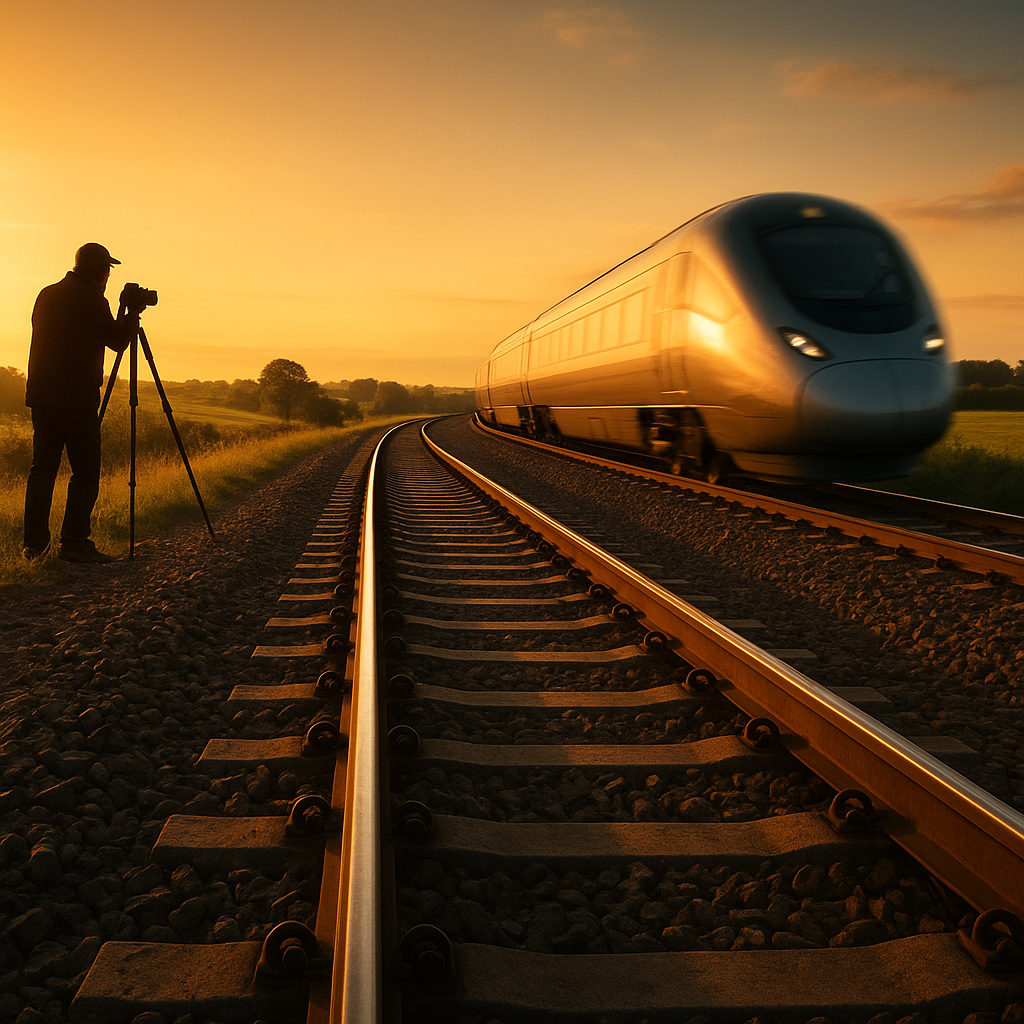
The right equipment is vital. A camera with a fast autofocus system reduces missed shots when wildlife appears suddenly. A telephoto lens (200mm or longer) enables capturing far-off subjects.
Shoot with a wide aperture to achieve a shallow depth of field. This isolates subjects from backgrounds and adds artistic interest. Additionally, increase the ISO to maintain a higher shutter speed while compensating for camera shake caused by motion.
Continuous shooting mode allows for capturing multiple frames in quick succession. This method increases the likelihood of snapping the perfect moment, especially in dynamic wildlife displays.
Ethical Considerations in Wildlife Photography
Responsible wildlife photography is essential. Maintaining a safe distance prevents stressing animals and keeps both parties safe. Always prioritise the well-being of wildlife over the perfect shot.
Using trains for observation typically allows for a level of distance that keeps animals undisturbed. Avoid actions that could disrupt natural behaviours, such as loud noises or sudden movements.
Follow local guidelines regarding wildlife interaction. Respecting habitats and observing creatures in a non-invasive manner enhances the experience for everyone involved and ensures that wildlife remains secure for future generations.