
Locomotive numbers and markings serve as a precise language for identifying engines, revealing their type, ownership, and technical specifications. Understanding these codes allows enthusiasts and professionals alike to quickly gather important details about a locomotive’s history and function.
The key to decoding locomotive numbers lies in recognising standard patterns that indicate the class, series, and operational use of the engine. These identifiers can vary by country and company, but often follow a logical system based on the manufacturer or railway operator.
By learning how to interpret these markings, readers will gain insight into the complex world of railway equipment with greater ease and clarity. This knowledge transforms a simple glance at a locomotive into an informed appreciation of its unique characteristics.
Understanding Locomotive Numbers and Markings
Locomotive numbers and markings provide a detailed identity for each engine, helping operators and enthusiasts distinguish models, track maintenance, and understand technical specifications. These elements appear in specific locations and come in standard formats that reveal the locomotive’s role and history.
What Locomotive Numbers Indicate
Locomotive numbers are unique identifiers assigned by rail companies. They typically indicate the locomotive’s class, type, and sequence within a fleet. For example, a number may include a prefix for the class, followed by a series of digits showing its order of manufacture or acquisition.
Numbers often include information about the locomotive’s power or axle arrangement. Some railway companies encode additional details, such as the year of manufacture or depot assignment, in the numbering system. This coding aids in record keeping and maintenance scheduling.
Common Markings and Their Significance
Markings on locomotives serve various functions beyond identification. They often indicate load limits, maximum speeds, warning labels, and operational instructions. These are critical for safe handling and compliance with railway standards.
Standard markings include weight information near the bogies, brake type symbols, and fuel capacity labels. Colour-coded markings can indicate traction type, such as diesel or electric. These visual cues support quick assessment by staff and inspectors during routine checks.
The Role of Nameplates and Plates
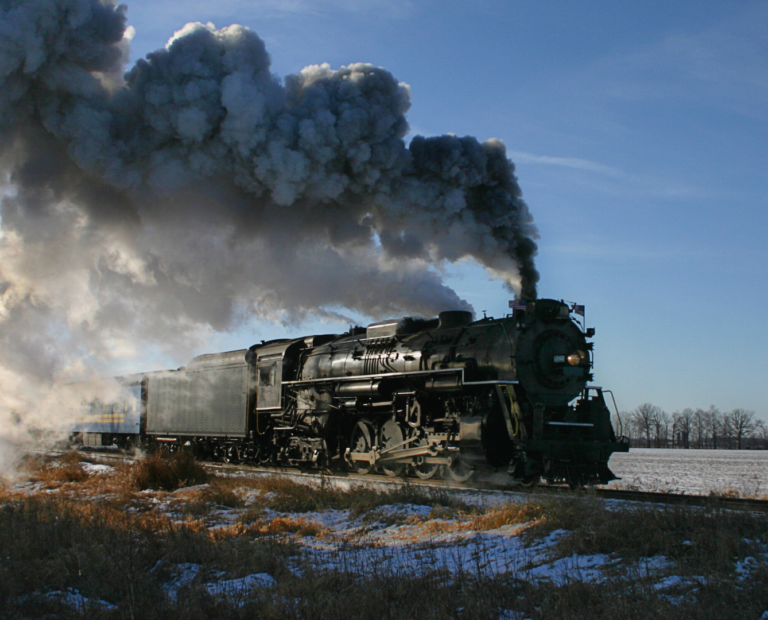
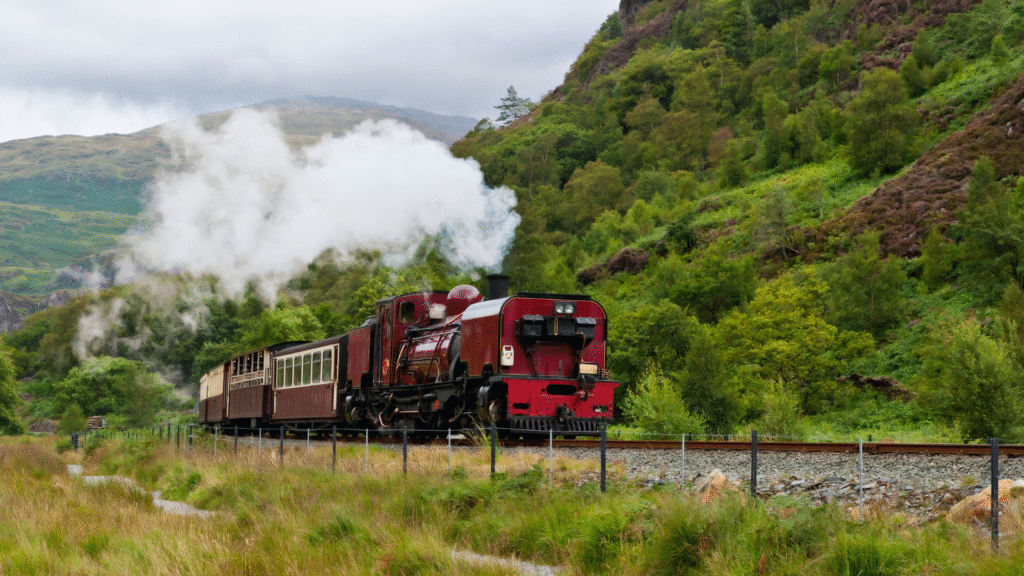
Nameplates are decorative or commemorative markers attached to the locomotive’s body, often on the smokebox or cab side. They usually bear the locomotive’s name or the railway company’s logo. Nameplates provide historical context and enhance a locomotive’s identity, especially for preserved steam engines.
Data plates, however, are functional. Usually metal and riveted, they contain detailed technical information such as manufacturer, serial number, build date, and specifications. These plates help maintenance teams verify model details and service history.
Location of Locomotive Markings
Markings are placed in standardised locations for easy visibility. The locomotive number is commonly displayed on the cab side and the smokebox front. This allows quick recognition from both the side and front of the engine during operations.
Instructional and safety markings appear near access points like doors, fuel tanks, and brake gear. Data plates are usually fixed on the main frame or below the cab floor for protection and ease of reference during inspections. This consistent placement supports efficient identification and servicing.
Evolution of Locomotive Numbering Systems
Locomotive numbering has undergone significant changes driven by technological advances, mergers, and organisational shifts. These changes reflect attempts to simplify identification, manage expanding fleets, and unify systems across different companies.
Early Numbering Approaches
In the early age of steam locomotives, numbering schemes were simple and inconsistent. Railway companies individually assigned numbers based on acquisition sequence or locomotive type. Many used small numeric ranges using just a few digits, often restarting numbering after major rebuilds.
The Great Western Railway (GWR) initially numbered locomotives sequentially, but assigned blocks of numbers to specific classes. This allowed easy association of locomotives with their types. Smaller companies followed similar but less standardised practices.
Numbers were typically displayed prominently on the boiler sides or cab to enable quick identification by crews and maintenance staff. Markings varied widely and lacked uniformity across regions.
Renumbering Due to Company Mergers
As railway companies merged, overlapping numbers became problematic. Renumbering was essential to prevent duplicates and allow integration.
The London and North Eastern Railway (LNER) implemented a systematic renumbering to consolidate inherited fleets post-1923. It assigned blocks of numbers to railway divisions and locomotive types, for example, focusing on class grouping.
The Southern Railway also renumbered inherited locomotives from constituent companies, prioritising operational clarity. They often added letter suffixes to indicate type or origin during transitional periods.
Renumbering improved record-keeping and operational management but caused temporary confusion when crews adjusted to new identities.
Impact of the Big Four
The formation of the Big Four—LNER, GWR, LMS, and Southern Railway—in 1923 accelerated the push to formalise numbering. Each company developed dedicated systems tailored to its diverse locomotive fleets.
The LMS introduced an alphanumeric system where numbers were allocated based on wheel arrangements and class. Early LMS locomotive numbering was challenging but eventually standardised to avoid internal conflicts.
GWR retained its practice of numbering by class blocks but introduced stricter rules to prevent duplication on newer engines. Southern Railway, with its mixed stock, used a combination of numeric and letter identifiers to differentiate units in service.
This period epitomised the evolution from ad hoc numbering to structured, operationally logical schemes.
Post-Nationalisation Changes
After 1948, British Railways took over all major companies, necessitating a unified numbering system. This system aimed to eliminate conflicts and accommodate the wide variety of inherited locomotives.
British Railways introduced a standardised system, adding a prefix (e.g., 4xxxx for former LMS engines) or renumbering classes to fit within new series. Steam locomotives from GWR, LMS, LNER, and Southern were assigned new numbers to avoid overlap.
This overhaul enabled centralised management and streamlined maintenance. It also marked the end of many traditional company-specific numbering identities, reflecting the shift toward a national rail network.
Modern British Locomotive Identification
Modern British locomotive identification relies primarily on the TOPS (Total Operations Processing System) classification. This numeric and alphanumeric system categorises locomotives by type, power, and use, helping clearly distinguish diesel, electric, and shunter classes. It replaced older, inconsistent numbering methods used by British Rail and remains the standard for fleet management.
The Introduction of TOPS Classification
The TOPS system was introduced by British Rail in the late 1960s to streamline locomotive and rolling stock management. Developed originally by the Southern Pacific Railroad in the US, TOPS allowed real-time tracking and operational processing through computer systems.
Before TOPS, locomotives had varied and non-standardised numbers. Under TOPS, every locomotive received a class number followed by an individual identifier. This system was applied to diesel locomotives, including Class 08 shunters, Class 31 and Class 47 mainline types, as well as electric locomotives and multiple units.
TOPS improved logistics by grouping similar locomotives under a class, aiding maintenance scheduling and freight operations. It remains vital for organising the diverse British locomotive fleet, including modern imports like Class 66 diesels.
Breakdown of TOPS Numbers
TOPS numbers consist of a two- or three-digit class number and a three-digit unique number for the individual locomotive. The class number identifies the locomotive type and capabilities, while the individual number distinguishes it within the class.
For example, Class 43 refers to the High-Speed Train (HST) power cars. Numbers after the class, such as 43 177, identify a specific unit. Diesel shunters like the ex-LMS Class 08 receive numbers such as 08 591, showing their precise identity.
In electric multiple units (EMUs) and diesel multiple units (DMUs), TOPS classification also governs numbering but may include subclasses denoted by slashes or letters, indicating variations or refurbishments. Numbers are displayed clearly on locomotive sides, facilitating easy identification.
Classes and Sub-Classes Explained
Each TOPS class defines a locomotive’s construction, power type, and purpose. For instance, Class 08 represents diesel-electric shunters, primarily used for yard work. The Class 66 is a widely used heavy freight diesel, known for reliability and efficiency.
Sub-classes indicate variants within a class with modified features, such as engine upgrades or different equipment fit-outs. The Class 31 family, for example, has several sub-classes like 31/4 and 31/5, reflecting different technical specifications or operators.
Electric locomotives and DMUs also follow this system: Classes like 86 and 87 identify British Rail electric types, while sub-classes define regional or operational changes. This hierarchical system allows for detailed tracking of British locomotive and multiple unit fleets.
Special Cases and Notable Exceptions
Certain locomotive numbering and marking systems deviate from standard patterns due to unique regional requirements or operational contexts. These exceptions often involve specialised coding for specific railways or adaptations reflecting historical usage.
Markings for London Underground
The London Underground uses a distinctive system for locomotive and rolling stock identification. It employs a letter prefix representing the class or type, followed by numbers unique to each unit. For example, the “A” prefix denotes the 1938 Tube Stock, with numbers indicating the specific car and sub-class.
Locomotives and units may also carry additional markings related to depot codes or operational zones within the Underground network. These markings assist in managing maintenance and deployment but differ significantly from mainline practices.
Unlike surface railways, London Underground markings focus more on functionality within a confined network rather than a national numbering standard. The system prioritises quick identification for operational control in a complex, interwoven underground environment.
Regional and Historical Variations
Southern Railway (SR) introduced distinct numbering methods, often reflecting the locomotive’s class and power rating. Their system sometimes included suffixes or sub-class codes to differentiate between variants within a class.
Historical changes, such as grouping or nationalisation, led to renumbering schemes that created exceptions to contemporary standards. Some legacy markings from earlier private companies remain visible on preserved locomotives, showing unique prefixes or numbering gaps.
Other regions used local identifiers influencing number formats, highlighting the importance of regional history in understanding locomotive markings. These variations can include letters denoting home depots or specific operational roles, not always aligned with national conventions.