
A single locomotive can ignite a lifelong passion by connecting people to history, engineering, and innovation. It serves as a tangible symbol of human achievement and the evolution of transport technology, inspiring curiosity and learning across generations.
The unique design, power, and story behind one locomotive can spark a deep fascination that lasts a lifetime. This fascination often begins with a sense of awe and grows into a broader appreciation of mechanics, culture, and the impact of railways on society.
People drawn to locomotives often find themselves exploring related fields, from railway preservation to engineering, driven by the initial inspiration of that one powerful machine. This connection turns a simple interest into a meaningful pursuit.
A Single Locomotive: The Spark of Endless Fascination
A single locomotive can captivate attention through its physical presence, intricate design, and the stories it carries. Its combination of mechanical complexity and the dynamic forces behind its movement draws lasting interest. This initial spark often grows into a deeper curiosity about technology and history.
Early Encounters and Childhood Memories
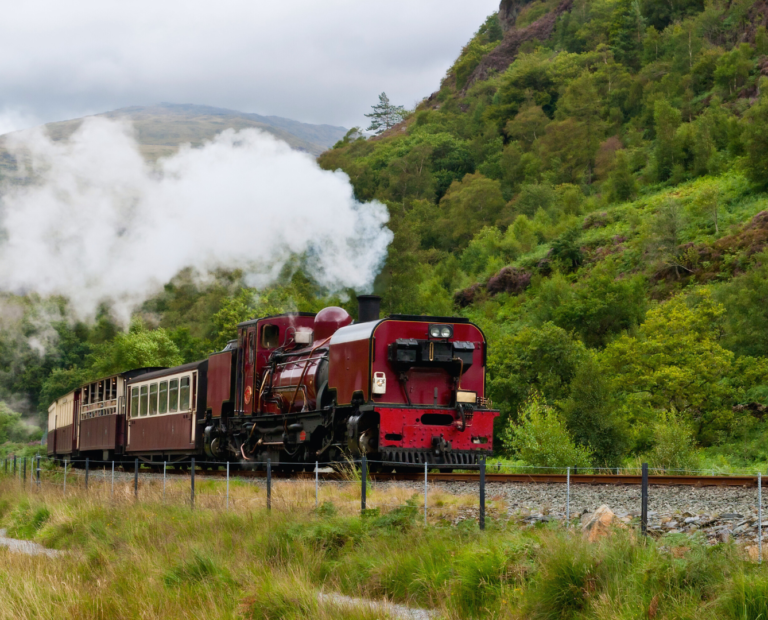
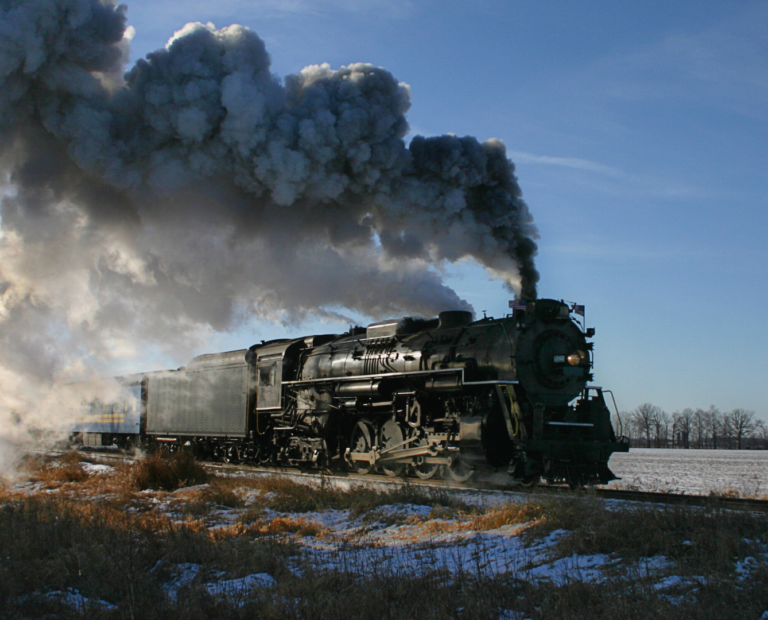
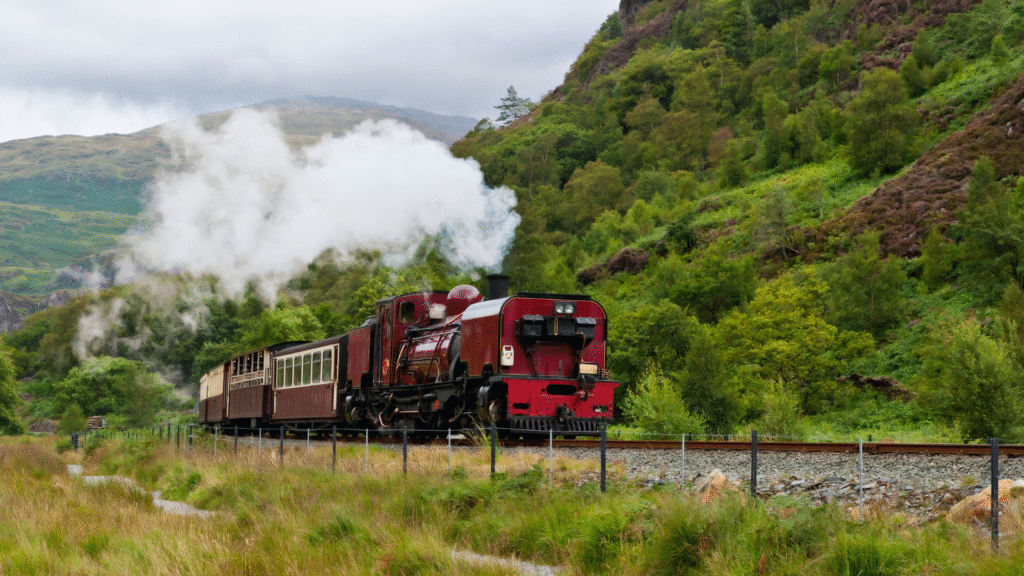
Many people’s fascination with locomotives begins in childhood. Seeing a steam engine puffing smoke or hearing the whistle creates a sensory impression difficult to forget. For some, it might be a family visit to a railway museum or a train passing by on a daily commute.
These early experiences form strong emotional ties. Children may collect model trains, building miniature railways that reflect their growing understanding. The locomotive becomes not only a toy but a symbol of exploration and wonder, anchoring memories that stay with them into adulthood.
The Allure of Mechanical Complexity
A locomotive’s design showcases engineering principles in action. The steam engine, with its pistons, valves, and wheels, demonstrates basic physics concepts like thermodynamics and mechanical work. Observers often marvel at how heat energy transforms into motion.
This mechanical intricacy invites detailed study. Understanding how the boiler builds pressure or how the wheels convert steam power to traction offers insight into early industrial technology. The locomotive is a practical example of how physics principles operate in the real world, sparking further interest in science and engineering.
Imagination and the Freedom of the Rails
Beyond mechanics, locomotives evoke imagery of travel and freedom. The endless rails stretching across landscapes inspire thoughts of adventure, distant places, and progress. This symbolism often captures the imagination, leading to creative expression in stories, art, and hobbies.
The locomotive’s role as a pioneer of connectivity influences perceptions of modernity and movement. For many, it represents an era when technology reshaped society’s possibilities. This blend of technical wonder and imaginative appeal sustains lifelong fascination.
Pioneers and Milestones: The Locomotive’s Place in History
Locomotives marked key shifts in industrial progress and national development. Innovations in steam power and early railway experiments reshaped transport. Major projects like the transcontinental railroad demonstrated the locomotive’s power to unite regions and economies.
Richard Trevithick and the Birth of Steam Power
Richard Trevithick pioneered the first full-scale steam-powered locomotive in 1804. His design utilised high-pressure steam engines, which were more powerful and efficient than earlier low-pressure versions. Trevithick’s locomotive pulled iron and passengers along the Penydarren Ironworks tramway in South Wales.
This achievement was significant because it proved steam could provide reliable motive power for rail travel. Although his locomotives did not immediately spark widespread adoption, Trevithick’s work laid the technical foundation for future steam engine development. His innovations influenced later engineers who advanced locomotive engineering throughout the 19th century.
Peter Cooper’s Tom Thumb and the American Revolution
In 1830, American inventor Peter Cooper built the Tom Thumb, the first American steam locomotive. Tom Thumb played a crucial role in demonstrating steam power’s advantages over horse-drawn carriages on railroads. During a historic race against a horse-drawn vehicle, Tom Thumb showed superior speed and efficiency despite mechanical issues.
Cooper’s design was simple but groundbreaking. It used a vertical boiler and geared wheels, adapting British steam technology to American conditions. The success of Tom Thumb encouraged the growth of railroads in the United States, accelerating transport, commerce, and westward expansion.
The Transcontinental Railroad: Uniting a Nation
Completed in 1869, the Transcontinental Railroad connected the eastern and western United States with a continuous rail link for the first time. This monumental project relied on powerful steam locomotives to transport materials and workers across vast, rugged terrain.
The railroad drastically reduced travel time across the continent from months to days. It facilitated migration, trade, and national cohesion, supporting economic growth during the post-Civil War era. Steam engines on this route symbolised industrial might and engineering achievement, shaping America’s future as an interconnected nation.
Evolving Icons: Engineering, Trains, and the Popular Imagination
Locomotives have transformed significantly from their early steam designs to today’s advanced machines. Alongside technical evolution, trains have maintained a strong presence in culture, sparking collecting hobbies and influencing career paths.
From Steam Engines to Modern Marvels
Steam engines, developed in the early 19th century, revolutionised transport by providing reliable, powerful means to haul goods and passengers. Their intricate mechanics, such as pistons and boilers, showcased engineering innovation.
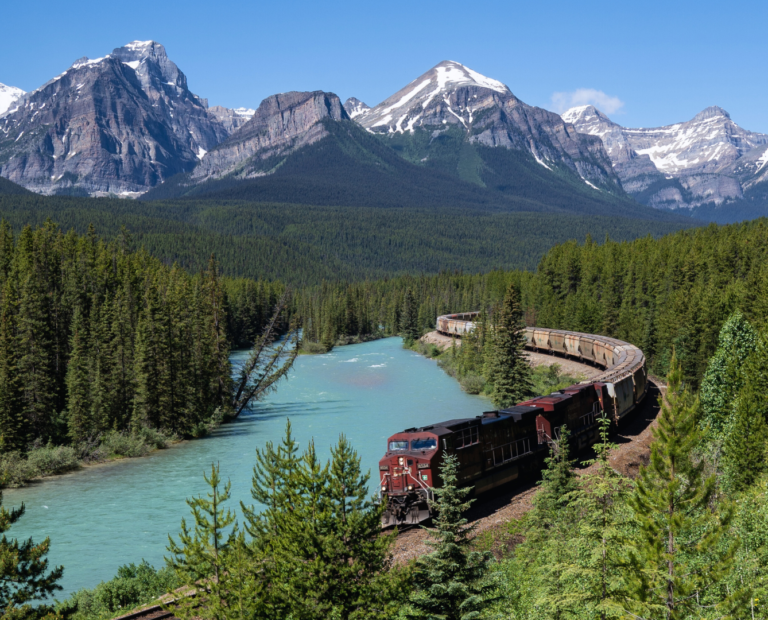
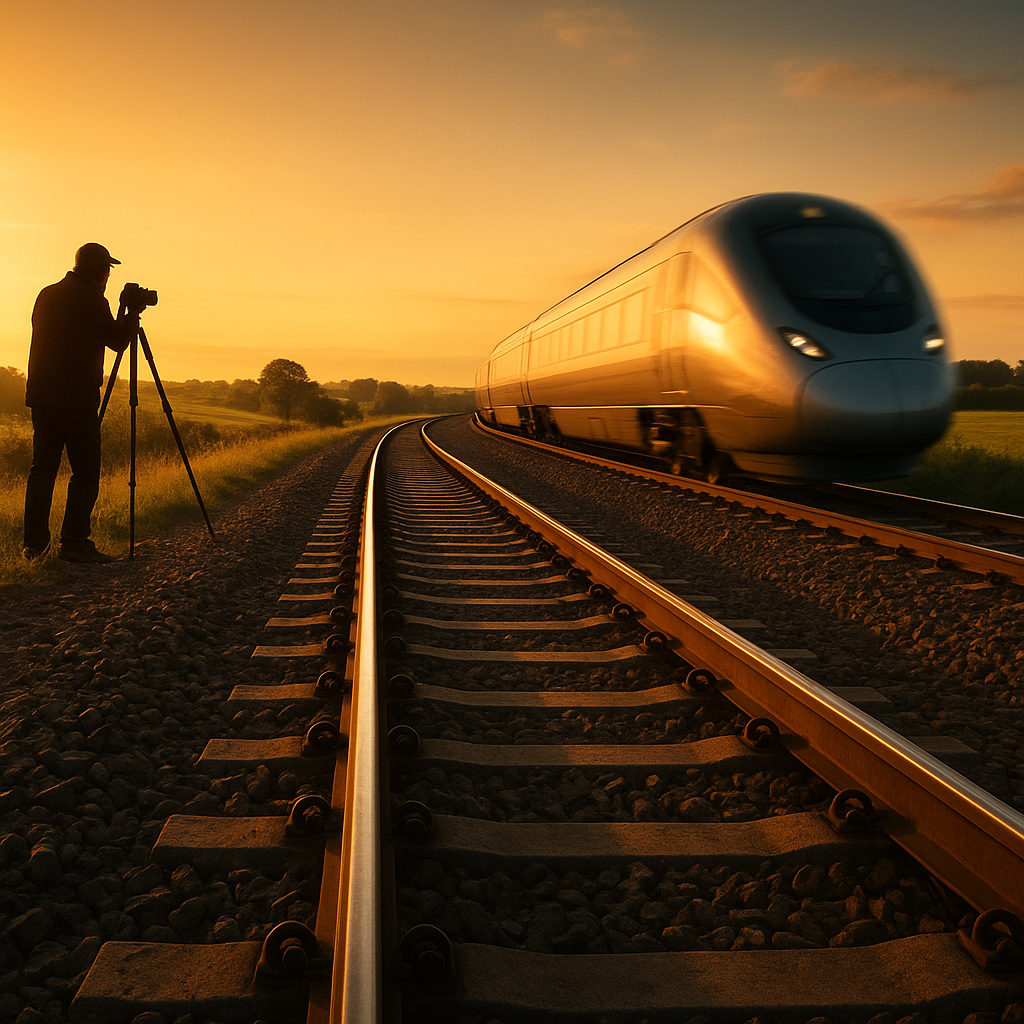
Modern locomotives use diesel and electric power, delivering greater efficiency and speed. Advances focus on sustainability and automation, with high-speed trains exemplifying breakthroughs in materials and aerodynamics.
This progression marks the evolution of industrial priorities—from raw power to precision and eco-conscious designs—illustrating how engineering adapts to societal and environmental needs.
Locomotives in Popular Culture and Collecting
Trains occupy a unique place in literature, film, and art, symbolising adventure, progress, or nostalgia. Iconic steam engines, like the Flying Scotsman, are celebrated internationally.
Model railroading and collecting memorabilia keep this heritage alive. Enthusiasts gather rare items such as original tickets, timetables, and scale models, preserving tangible connections to rail history.
These hobbies foster community and education, helping new generations understand the role of trains beyond transportation, as cultural touchstones and historical artefacts.
Inspiring Careers and Lifelong Interests
Encountering a locomotive often ignites fascination with engineering, mechanics, or history. Many engineers and designers attribute their career ambitions to early experiences with trains.
Training programmes and apprenticeships focus on rail technology, signalling, and infrastructure maintenance, requiring diverse skills. Interest in this sector supports ongoing innovation and safety improvements.
Moreover, museums and exhibitions engage the public, encouraging technical learning and heritage appreciation, which sustains enthusiasm and professional pipelines in the railway industry.