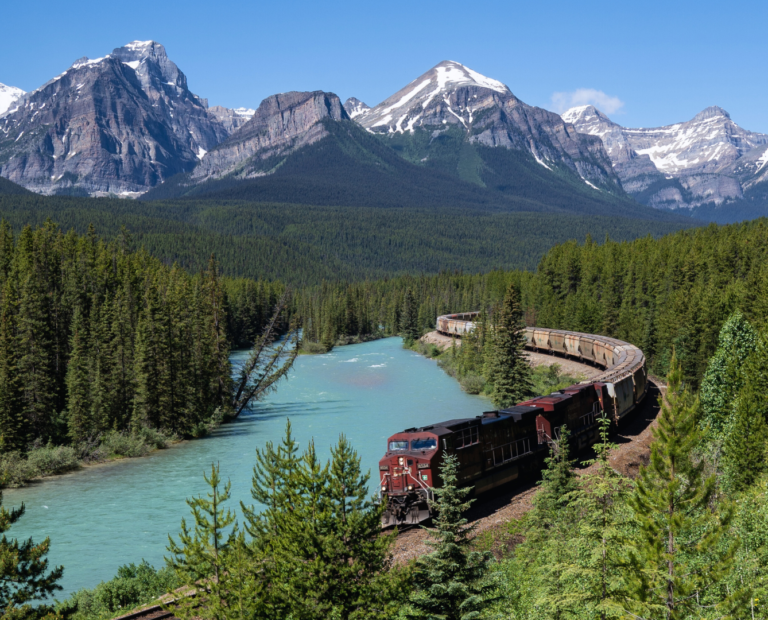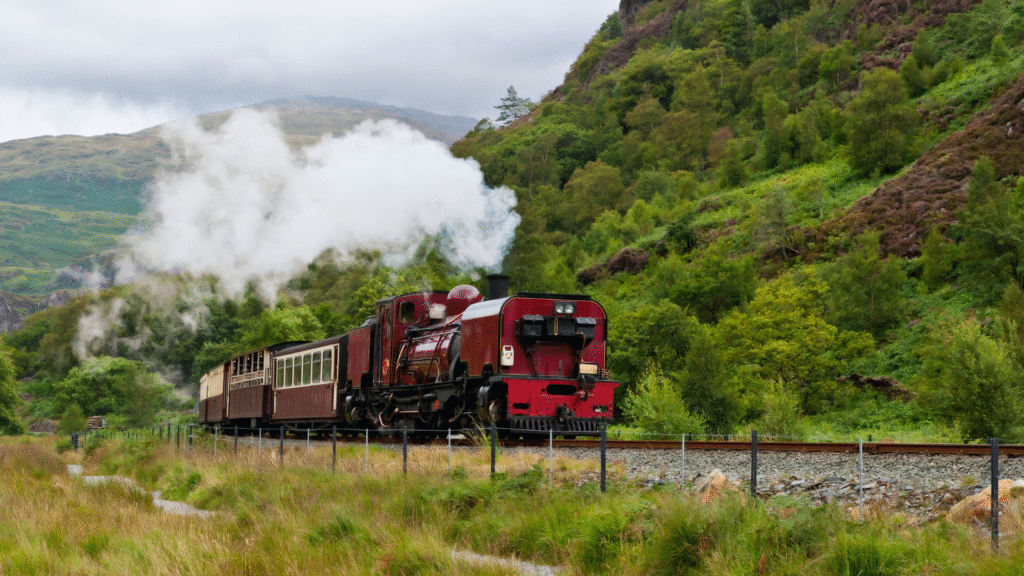

Starting a personal trainspotting journal is a practical way for railway enthusiasts to document their observations and track the locomotives they encounter. The key to beginning a trainspotting journal is choosing the right format—whether digital or paper—and consistently recording details such as date, location, train number, and type. This approach helps train spotters organise their experiences clearly and methodically.
Many train spotters find that including additional notes on weather conditions, times, and unique features of the trains enriches their journal. Railway enthusiasts benefit from a concise record that can be referenced for future trips or shared with others who have similar interests. Building this habit transforms casual observations into a meaningful collection of railway history and personal milestones.
Setting Up Your Personal Trainspotting Journal
Creating a personal trainspotting journal involves selecting the best format, deciding what details to track, and choosing the right recording tools. Attention to location specifics and rail network details will help maintain a clear and accurate record.
Choosing the Right Journal Format
The choice of journal format depends on personal preference and how often the person plans to record train spotting data. Physical notebooks offer a tactile experience and ease of use outdoors, but require carrying extra equipment.
Digital formats, such as apps or spreadsheets, allow quick entry of train schedules, arrival times, and distances. They also enable easy searching and editing. A hybrid approach, using a small notebook supplemented by digital backups, is common among enthusiasts.
A lined or grid notebook is helpful for neatly recording times and numbers. Portable sizes like A5 or pocket notebooks are practical for on-site use along rail lines or stations.
Essential Information to Record
A comprehensive trainspotting journal should include the date, exact location with country and rail network details, and the time of train arrival. Recording the train type, number, and destination is essential for accuracy.
Noting the distance travelled from the starting point or previous station adds valuable context. Weather conditions and any delays can be included for historical reference.
A table format can organise the data clearly:
| Date | Location | Train Number | Arrival Time | Distance (km) | Notes |
| 01/09/2025 | York Station | 150A | 14:32 | 190 | Slight delay |
Selecting Recording Tools and Technology
Tools for recording vary from traditional pens and printed timetables to dedicated trainspotting apps. Using durable, waterproof notebooks prevents damage during outdoor spotters’ sessions.
Mobile apps can auto-fill train schedules, alert to changes, and upload data to cloud storage. Some apps allow photo integration, linking images with specific entries.
For manual recording, fine-tip pens improve legibility, and clipboards add stability. Digital tools require consideration of battery life and network coverage, especially on long journeys across different countries.
Identifying and Classifying Trains in Your Journal
Accurately recording trains requires recognising different types and understanding their key features. Observing visual details and knowing classification systems make entries precise and meaningful.
Recognising Locomotives and Multiple Units
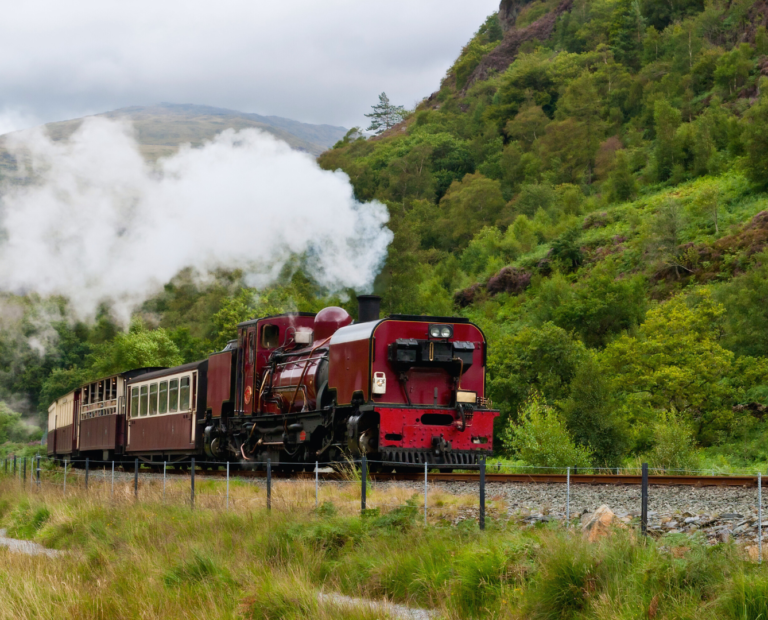
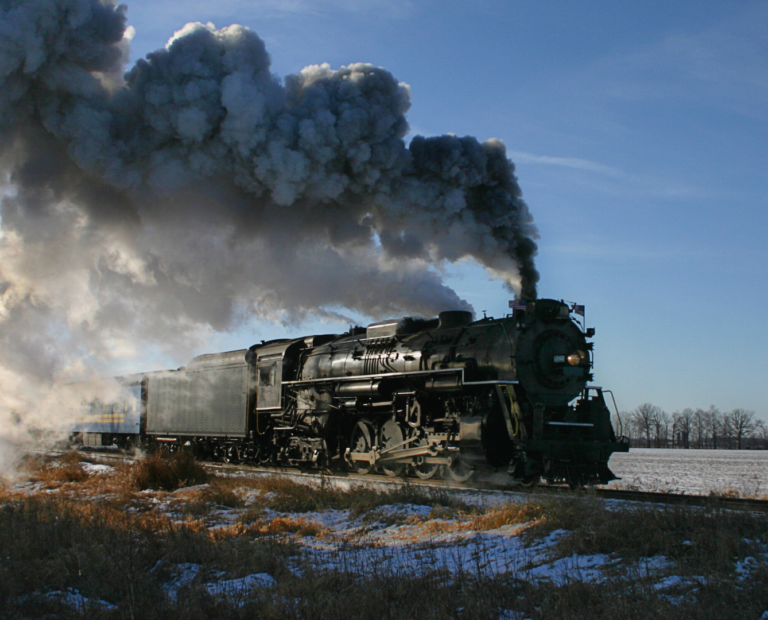
Locomotives pull or push trains and are usually classified by power type: steam, diesel, or electric. Steam locomotives have boilers and chimneys, diesel locos often feature vents and exhausts, while electric locos lack exhausts but may have pantographs on the roof.
Multiple units are self-propelled train sets without a separate locomotive. They commonly appear in passenger services and are divided into diesel multiple units (DMUs) and electric multiple units (EMUs). Both types have driver cabs at either end and multiple connected carriages.
Spotters should note the number of carriages, power type, and external features such as lights or roof equipment for clear identification.
Differentiating Wagons and On-Track Plant
Wagons are unpowered vehicles used for freight, loaded with goods or materials. Common types include box wagons, flat wagons, tank wagons, and hopper wagons. Appearance varies by load and design, with distinctive shapes like open tops or cylindrical tanks.
On-track plant refers to specialised machines used for track maintenance, such as tampers, track renewal units, or ballast regulators. These units often look bulky, with visible work tools, and rarely match the design of passenger or freight rolling stock.
Recording the difference helps avoid confusion between operational trains and maintenance equipment during spotting.
Understanding Numbering Systems and Classes
Trains and rolling stock are assigned numbers and class codes for identification. In the UK, locomotive classes relate to manufacturer and type, such as Class 66 for diesel freight locos or Class 390 for electric Pendolinos.
Number plates on locos often show unique identifiers. Multiple units and some wagons also carry class or wagon codes, either painted or on plates.
Understanding these codes requires reference guides or online databases, but even noting numbers clearly ensures accuracy. Recognising class patterns aids in identifying new or unusual stock at a glance.
Maximising Your Trainspotting Experience
To get the most from a trainspotting journal, careful attention to location choice, timing, and recording methods is essential. Being methodical about where and when to observe, and enhancing notes with visual records, improves both accuracy and enjoyment.
Researching and Planning Trainspotting Locations
A well-chosen location can vastly improve the quality of trainspotting. Enthusiasts should research railways known for diverse or frequent train movements. Using railway maps and online forums can help identify spots with good visibility and safe access.
Planning ahead also means considering factors like platform access, viewpoints, and lighting throughout the day. Locations near busy junctions or stations with multiple lines often yield varied sightings. It’s useful to note the physical environment — whether the spot is exposed or sheltered from the weather.
Maintaining a list of preferred places and their features helps compare observations over time. Location choice directly impacts the quantity and quality of recorded train movements.
Making Use of Timetables and Schedules
Trainspotters should regularly consult up-to-date train schedules and arrival times. Official railway timetables provide precise information on train frequencies and expected timings. This allows for planning visits when particular trains or classes are likely to appear.
Digital tools like apps or railway websites can alert users to delays or unscheduled services, adding variety to the journal entries. Tracking actual arrival times versus the timetable also provides a performance insight into the railway operations.
For improved accuracy, noting the exact time of each train sighting as recorded against the schedule is key. Combining timetable knowledge with real-world observation enhances journal detail and reliability.
Enhancing Your Observations with Photography
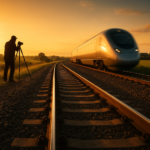
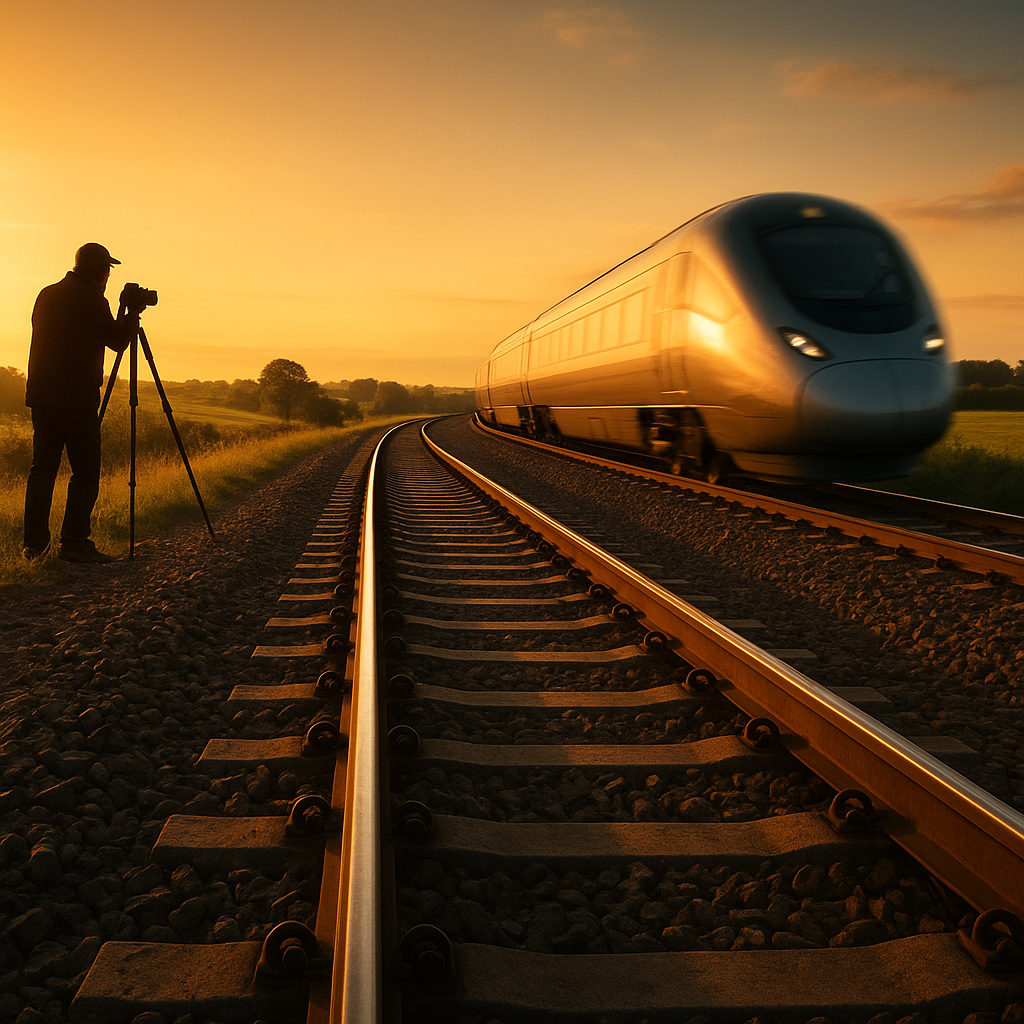
Photography strengthens train spotting documentation by visually confirming recorded details. A camera or a good-quality smartphone can capture train numbers, liveries, and conditions at the moment of spotting.
Basic tips include using fast shutter speeds to freeze motion and choosing clear, unobstructed angles. Photographs complement written notes, especially when identifying variations in rolling stock or locomotives.
Organising images alongside date, location, and time in the journal creates a comprehensive record. Photographing the surrounding environment can also add context about the railway setting and weather conditions. This visual record enriches the overall trainspotting experience.