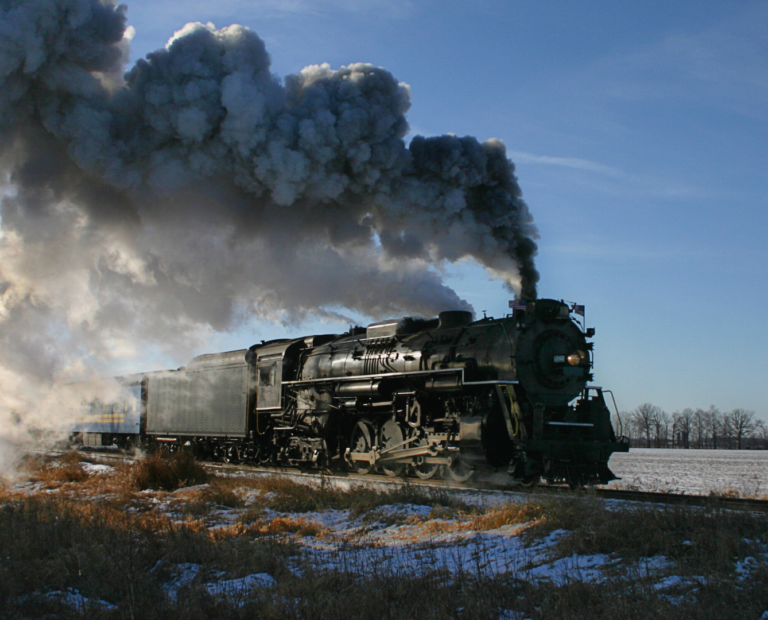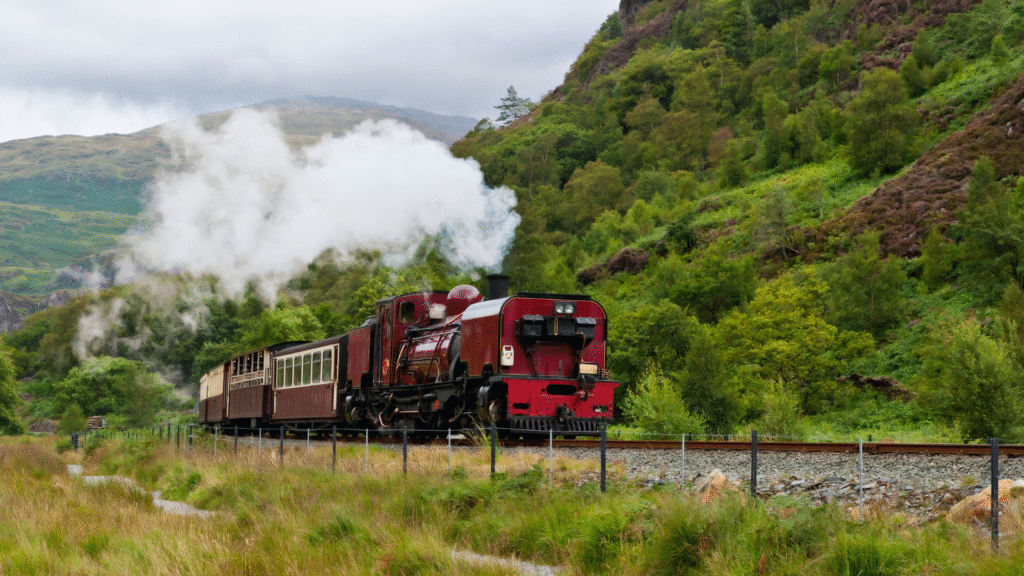
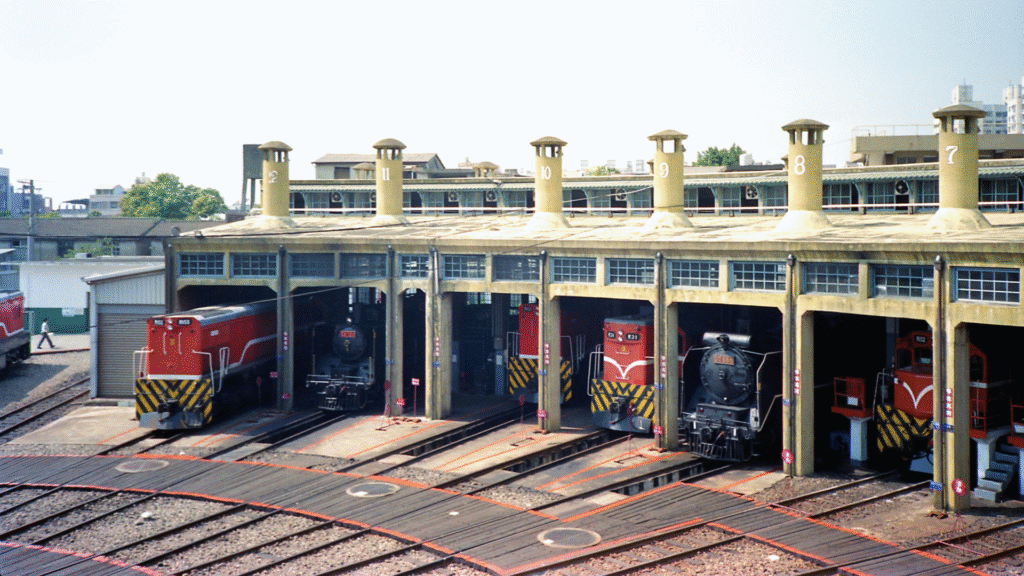
Volunteers play a crucial role in preserving railway history by maintaining vintage trains, restoring stations, and organising educational events. They provide valuable skills and resources that many heritage railway projects cannot afford to hire on a full-time basis.
Their dedication ensures that future generations can experience and understand the significance of railways in Britain’s industrial and cultural development. Without volunteers, many historical railways and artefacts would be at risk of being lost or forgotten.
These individuals bring passion and expertise, often working behind the scenes to keep the history alive. Their ongoing commitment fosters community involvement and supports the sustainability of railway heritage sites.
Volunteers as the Heart of Railway History Preservation
Volunteers play diverse roles, requiring specific skills and training to maintain heritage railways. Their motivations vary but often centre on passion for railway history and community engagement. These factors combine to sustain preservation efforts effectively.
Roles and Responsibilities of Volunteers
Volunteers carry out maintenance of tracks, engines, and carriages. They also assist in restoration projects, ensuring historical accuracy. Many guide visitors, providing educational tours and exhibitions about railway history.
Administrative tasks like fundraising, event organisation, and marketing also depend heavily on volunteers. Their commitment keeps heritage railways operational and accessible to the public. Without volunteers, many preservation projects would lack the workforce needed for success.
Skills and Training for Preservation Efforts
Technical skills such as mechanical engineering, carpentry, and metalwork are vital. Volunteers often receive training tailored to these areas, sometimes accredited through formal courses.
Customer service and communication training prepare volunteers for public interaction. Safety training, including first aid and operating procedures, is mandatory due to the operational nature of heritage railways. Continuous skill development ensures volunteers adapt to evolving preservation needs.
Volunteer Motivations and Community Impact
Most volunteers are railway enthusiasts driven by a personal connection to railway history. Some join for social reasons, enjoying the camaraderie within volunteer groups. Others appreciate the chance to contribute to cultural heritage preservation.
Their work strengthens local communities by attracting tourism and fostering educational opportunities. Volunteers help maintain a living history that benefits future generations, keeping railway traditions alive.
Preserving Historic Trains and Railway Infrastructure
Volunteers play a crucial role in ensuring the survival of trains, trackwork, and buildings connected to railway heritage. Their work involves technical skills, regular maintenance, and careful attention to historical accuracy.
Restoration of Historic Trains
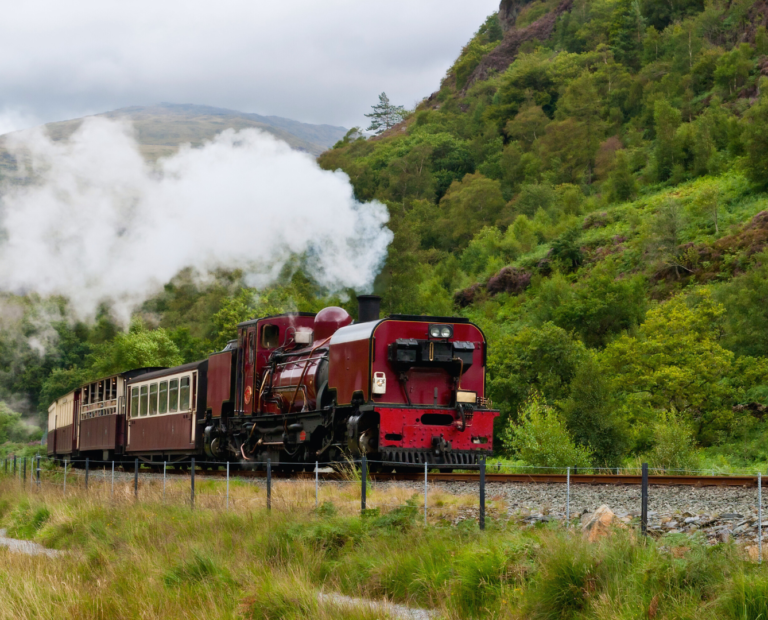
Restoring historic trains requires a blend of mechanical expertise and knowledge of original design. Volunteers often source authentic parts or fabricate replacements when originals are unavailable. Tasks range from repairing steam engines to refurbishing carriages’ interiors.
They document and follow original blueprints to maintain authenticity. This preserves both the train’s operational functionality and its historical character. Some heritage railways rely entirely on volunteer teams to keep key locomotives running for public rides.
Maintaining Heritage Railway Lines
Heritage railway lines depend on volunteers for track inspections and repairs. Volunteers clear vegetation, replace worn sleepers, and ensure rails meet safety standards, often using traditional techniques. These efforts prevent service disruption on preserved routes.
Volunteer groups organise scheduled maintenance weeks to address larger infrastructure needs. Their work enables the continued operation of private or community-run railways, which might otherwise fall into disrepair due to resource limitations.
Safeguarding Historic Railway Stations
Historic railway stations receive continuous care from volunteers who focus on structural repairs and period-appropriate restoration. They restore original features like wooden benches, signage, and platform fixtures to reflect the station’s historic period.
Volunteers also conduct cleaning, minor masonry work, and repainting to maintain visual appeal. Some stations operate museums or information centres managed by volunteers, enhancing public engagement while protecting the site’s heritage.
Collaboration, Fundraising, and Organisational Support
Volunteers often rely on strong partnerships and financial backing to maintain and restore historical railways and equipment. These efforts are supported by a network of associations and fundraising initiatives targeting both community interest and expert groups.
Collaborative Partnerships and Associations
Volunteers work closely with local councils, preservation societies, and railway museums to share resources and expertise. These partnerships enable access to the technical knowledge and equipment needed for restoration projects.
Associations such as the Heritage Railway Association (HRA) provide crucial links between smaller volunteer groups and larger organisations. They facilitate training programmes and safety standards essential for preservation work.
Joint ventures with educational institutions introduce volunteer training and attract younger generations to railway heritage. Regular communication and shared goals improve project outcomes and community engagement.
Fundraising Strategies for Preservation Projects
Successful fundraising is vital for acquiring materials, tools, and maintaining the operational costs of heritage railways. Volunteers organise events like guided tours, steam gala weekends, and auction sales to generate income.
Crowdfunding platforms and membership schemes also provide steady financial support. Offering tiered memberships with benefits encourages ongoing community backing.
Grants from heritage and transport funds are actively sought. Volunteers prepare detailed proposals to maximise chances of funding approval, often citing historical significance and public interest in their submissions.
Support from Heritage Railway Association
The Heritage Railway Association offers volunteers technical advice, lobbying for funding, and representation within government bodies. This support streamlines access to grants and regulations.
They publish safety guidelines and run accreditation schemes for volunteer-run railways to maintain industry standards. Members receive assistance with legal compliance regarding track maintenance and operation.
The HRA also organises conferences and training sessions that enhance volunteer skills and knowledge across all aspects of railway preservation and heritage operations.
The Ongoing Legacy and Future of Railway Heritage
Volunteers play a critical role in sustaining heritage railways and keeping railway history alive. Their efforts ensure the maintenance and operation of historic equipment while also connecting communities with the past through active participation and education.
Attracting and Inspiring New Volunteers
Heritage railways rely heavily on a diverse volunteer base to continue restoration and daily operations. Recruitment strategies target all age groups, especially younger people, through social media campaigns, local events, and partnerships with schools and youth clubs.
Training programmes offer hands-on experience in areas such as track maintenance, signalling, and steam engine operation. These skills development opportunities appeal to those interested in practical work and historic technology.
Many heritage railways also create roles tailored to different interests and time commitments. This inclusivity, combined with a welcoming volunteer culture, encourages long-term involvement and generates enthusiasm among rail enthusiasts and new recruits alike.
Engaging the Public and Educational Outreach
Heritage railways use educational programmes to connect rail enthusiasts and the wider public with railway history. Workshops, guided tours, and interactive displays on site bring historical concepts to life.
Collaboration with schools introduces young people to railway heritage through curriculum-linked activities. These programmes often include model railway building, history lessons, and visits to heritage sites.
Public events such as steam galas and anniversary celebrations increase visibility and provide informal learning environments. Volunteers often serve as guides and storytellers, sharing detailed knowledge that enriches visitor experience and builds ongoing support for preservation efforts.