
Railway museums in the UK showcase the rich history and engineering marvels of the nation’s railways. They offer visitors the chance to see vintage locomotives, explore historic railway stations, and learn about the impact of rail travel on society.
The must-visit railway museums in the UK provide a unique window into the development of rail transport, featuring carefully preserved trains and interactive exhibits. Whether interested in steam engines or modern developments, these museums offer an educational and engaging experience for all ages.
Many are located near key railway hubs and preserved lines, making it possible to combine a museum visit with a scenic train ride. Their collections highlight significant milestones, from early industrial railways to high-speed services.
Essential UK Railway Museums to Visit
These museums preserve a vital part of Britain’s railway heritage, showcasing a range of steam locomotives, historic rolling stock, and interactive exhibits. Visitors can explore original engines, learn about the evolution of rail transport, and experience the impact of railways on society.
National Railway Museum, York
The National Railway Museum in York houses one of the largest collections of locomotives and rolling stock in the world. It features iconic steam engines like the Flying Scotsman and Mallard, alongside modern engineering displays.
Exhibits cover railway history from early steam technology through to the present day. The museum presents detailed information on design, operation, and preservation. Interactive displays and simulator experiences allow visitors to engage directly with railway technology.
Locomotion, Shildon
Locomotion in Shildon is part of the National Railway Museum network, focusing on the birth of the railways during the Industrial Revolution. It preserves and displays important early railway artefacts, including original steam locomotives.
The museum is built on the site of the world’s first railway workshop, which played a key role in locomotive development. Visitors can see historically significant rolling stock and enjoy educational programs on early railway engineering.
London Transport Museum
The London Transport Museum explores the history of London’s transport system, including its extensive network of trains and underground services. It highlights how rail transport shaped the city’s growth and daily life.
The collection includes historic carriages, maps, posters, and artefacts related to the development of London’s rail infrastructure. Interactive exhibits explain signalling, design, and passenger experience in the capital’s busy network.
Scottish Railway Preservation Society
The Scottish Railway Preservation Society operates a museum and a heritage railway, with a focus on preserving Scottish steam locomotives and rolling stock. It maintains operational steam engines for public rides and special events.
The museum itself showcases a wide range of locomotives and railway equipment specific to Scotland’s rail history. It offers visitors hands-on experiences and detailed knowledge of Scottish rail technology from the steam era to modern times.
Historic Rolling Stock and Iconic Locomotives
This section highlights some of the most significant pieces of historic rolling stock preserved across UK museums. It includes famous steam engines, important diesel and electric locomotives, and luxurious royal carriages that reflect the country’s railway heritage.
Famous Steam Locomotives on Display
Several museums showcase steam locomotives that shaped Britain’s rail history. The National Railway Museum in York holds the Flying Scotsman, the first locomotive officially authenticated to reach 100 mph. It remains one of the best-known steam engines globally.
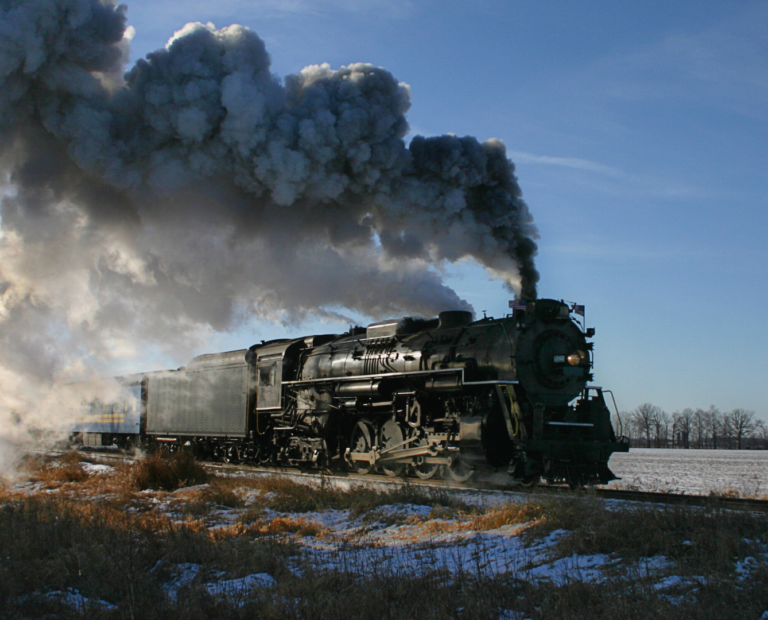
Other notable examples include the Mallard, preserved for holding the world speed record for steam locomotives, and the Princess Elizabeth, representing post-war locomotive design. Many museums also feature working steam engines, allowing visitors to experience live steam operations. These locomotives illustrate advances in engineering and the golden age of steam travel.
British Diesel and Electric Engines
The UK railway museums house a variety of diesel and electric locomotives marking the transition from steam. The National Railway Museum displays diesel classics like the Class 37 and the Deltic Class 55, known for their distinctive sounds and power.
Electric locomotives, such as the Class 86, demonstrate the modernisation of rail services, particularly on electrified main lines. Exhibits often include detailed information on their operational roles and technological impact. This collection helps visitors understand the evolution of traction on British rails post-steam.
Royal and Luxury Carriages
Collectors and museums preserve royal and luxury carriages that reflect the opulence of rail travel for the elite. The British Royal Train features elegant carriages used by the monarchy, including specially designed interiors for comfort and security.
The famed Orient Express carriage, housed at the National Railway Museum, exemplifies luxury travel with ornate decor and historical significance. Such carriages showcase craftsmanship and social history, contrasting with everyday passenger stock. Visitors get insight into railway travel’s cultural and ceremonial roles beyond mere transportation.
Heritage Railways and Living History Experiences
Heritage railways in the UK offer visitors direct encounters with historic trains and the chance to experience railway operations as they once were. These preserved lines provide various activities that appeal to enthusiasts, families, and railfans, including authentic rides, engine experiences, and special events.
Riding Preserved Railways
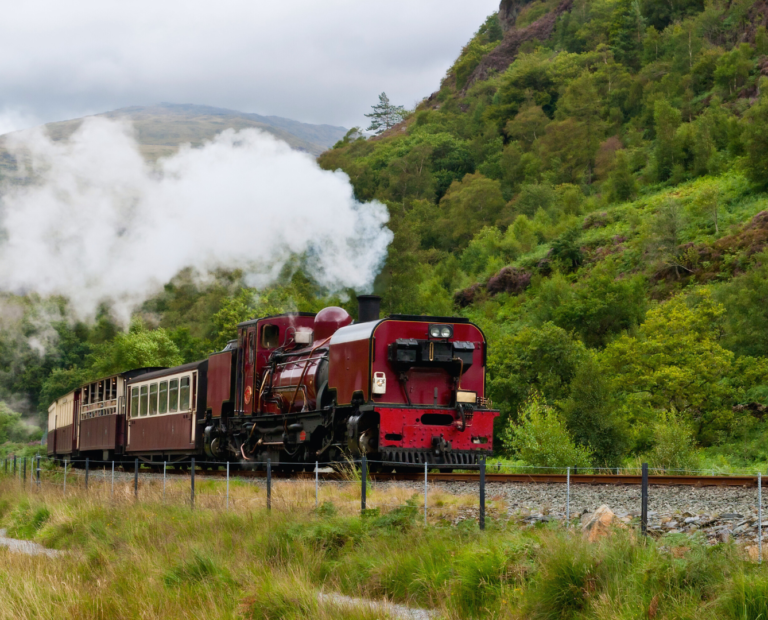
Riding preserved railways allows passengers to travel on restored steam or diesel trains along original or recreated routes. Popular lines like the North Yorkshire Moors Railway and the Severn Valley Railway offer scenic journeys through the countryside, often run by volunteer teams dedicated to preserving railway heritage.
Trains on these lines typically use vintage carriages with period interiors, enhancing the experience. Some railways operate special services during holidays and anniversaries, attracting railfans seeking rare locomotives and authentic timetables.
Steam and Diesel Experiences
Many heritage railways provide hands-on steam and diesel experiences where visitors can learn about train operation. These experiences often include driving simulators or supervised opportunities to work in the cab alongside qualified crew.
Locations like the National Railway Museum and the Bluebell Railway offer these experiences to interested adults and older children. They cater to hobbyists who want deeper knowledge of railway technology, signalling, and train handling.
Family-Friendly Railway Events
Heritage railways host family-friendly events throughout the year, including themed rides and seasonal celebrations. Events such as Santa Specials in winter or Thomas the Tank Engine experiences attract children and parents alike.
These events often feature interactive activities, train rides with costumed staff, and educational displays about railway history. They are designed to make the heritage railway accessible and entertaining for younger visitors while maintaining historical authenticity.
International Inspirations and Influences
Railway museums in the UK often draw inspiration from groundbreaking global developments in rail technology and history. These influences highlight significant advances in speed, design, and engineering from various countries, offering valuable context to Britain’s own railway heritage.
Cité du Train, Mulhouse
The Cité du Train in Mulhouse, France, is one of Europe’s largest railway museums. It showcases an extensive collection of locomotives and carriages spanning the 19th and 20th centuries. The museum emphasises the evolution of French railways, including regional lines and iconic express trains.
Visitors can explore interactive exhibits detailing technological improvements and operational innovations, with a focus on the impacts of steam and diesel engines. The Cité du Train also preserves rare prototypes and historically significant models, providing insights into French national rail strategies.
TGV and High-Speed Rail Legacy
France’s TGV (Train à Grande Vitesse) revolutionised high-speed rail service since its launch in 1981. The TGV remains a reference point for high-speed rail engineering worldwide, influencing rail development in many countries, including the UK.
This legacy is reflected in the adoption of faster train designs and upgraded rail infrastructure, such as the UK’s High Speed 1. The TGV’s aerodynamic design, specialised tracks, and efficient signalling systems set standards still relevant in current rail projects.
Kyoto Railway Museum and Japanese Bullet Trains
The Kyoto Railway Museum in Japan features the evolution of Shinkansen, or bullet trains, which began operation in 1964. It highlights Japan’s focus on speed, punctuality, and safety, with models tracing advancements in aerodynamics and energy efficiency.
The Shinkansen’s legacy emphasises continuous innovation, from early designs to present-day magnetic levitation technologies. The museum’s exhibits show how Japan’s approach to rail infrastructure supports high passenger volumes and frequent service intervals—principles studied by rail planners globally.
Deutsche Bahn Museum, Germany
The Deutsche Bahn Museum in Nuremberg represents Germany’s rich railway history and technological progress. It documents the development from steam locomotives to modern electric trains operated by Deutsche Bahn.
Exhibits include pioneering engineering achievements, such as the Intercity-Express (ICE) series, Germany’s high-speed trains. The museum also contrasts differences in rail operation across German regions and the role railways play in European connectivity. Its focus on efficient rail freight and passenger transport offers practical examples for international railway systems.