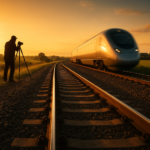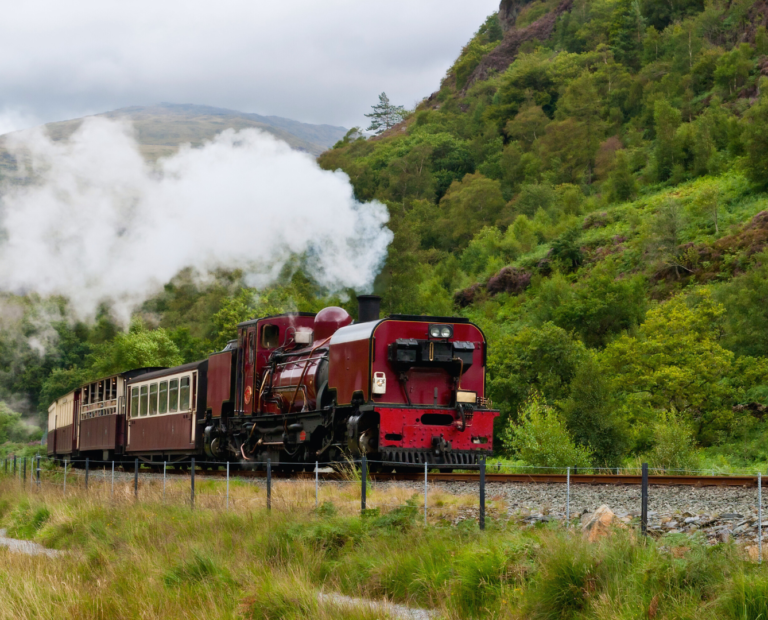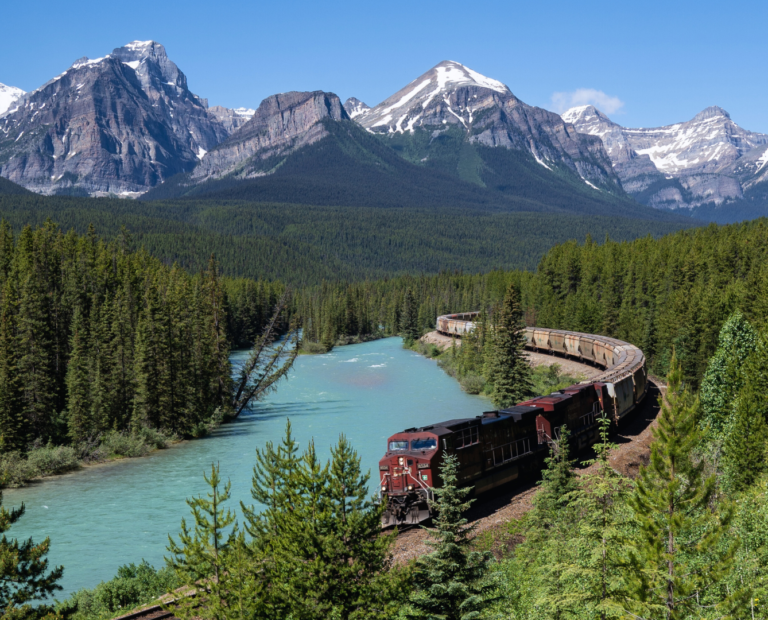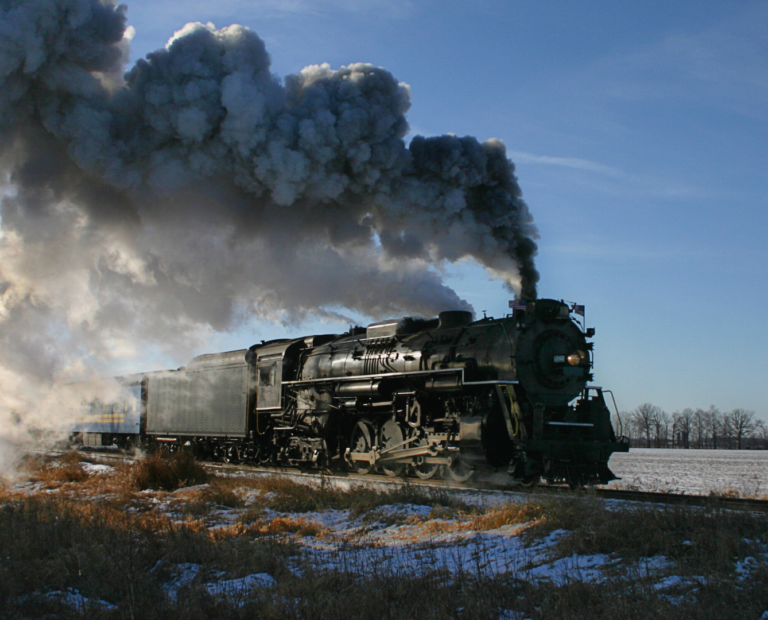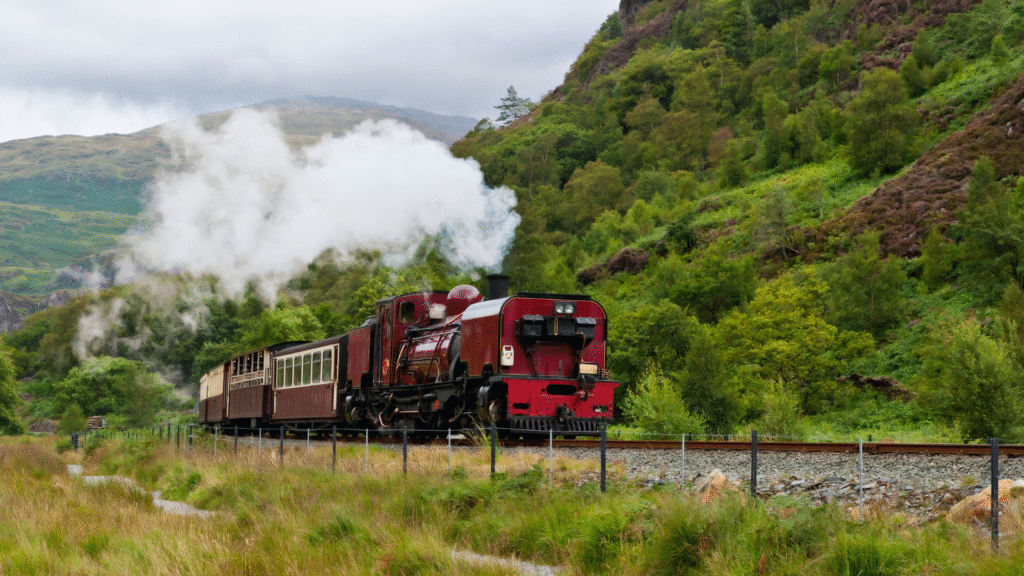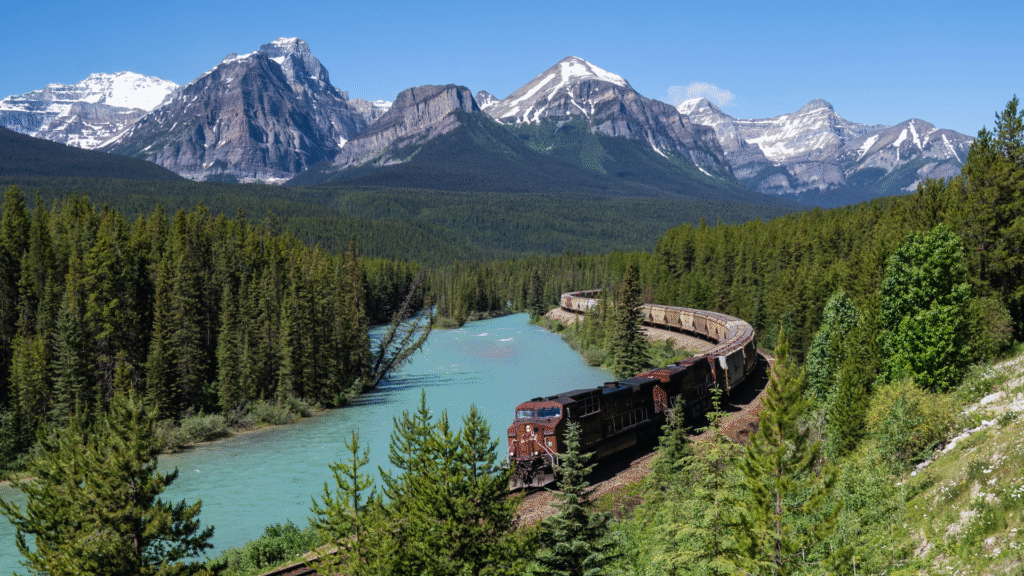
For those passionate about train spotting, finding a community of fellow trainspotters can enhance the experience significantly. Attending rail events, joining online forums, and visiting popular train viewing locations are effective ways to connect with others who share this interest. These interactions can lead to discussions about rolling stock, locomotives, and personal spotting experiences.
Many trainspotters gather at well-known vantage points, especially near major railway stations or junctions. Engaging with local clubs or social media groups can also provide opportunities to organise meet-ups and share spotting tips. These platforms often serve as valuable resources for learning about upcoming events and unique spotting locations.
Connecting with fellow enthusiasts not only enriches the hobby but also creates opportunities to appreciate the nuances of locomotives and the diversity of train services. By participating actively, trainspotters can foster friendships and expand their knowledge within this fascinating field.
Understanding Train Spotting
Train spotting is a niche hobby that involves observing and documenting trains and their operations. Enthusiasts find joy in identifying various types of locomotives and rolling stock, as well as understanding the intricacies of train movements.
The Basics of Train Spotting
Train spotting typically involves recording details about trains encountered in specific locations. Spotters often use a notebook or a digital device to jot down information such as locomotive numbers, types, and service details.
Key aspects include:
- Location: Popular sites include train stations, rail yards, and specific layover points.
- Timing: Knowledge about train schedules enhances the experience, allowing spotters to catch specific trains.
- Equipment: Many spotters utilise cameras or binoculars to capture images or monitor train movements from a distance.
Train spotting fosters a sense of community among enthusiasts who share tips and knowledge.
Types of Trains and Rolling Stock
Understanding the variety of trains is crucial for any train spotter. There are mainly two categories: passenger trains and freight trains.
Passenger Trains: These include local, regional, and intercity services. Common examples are:
- High-speed trains: Such as the Eurostar.
- Suburban trains: Catering to local commuters.
Freight Trains: These are designed to transport goods and often feature unique rolling stock, including:
- Boxcars: For general freight.
- Tank cars: For liquids.
Locomotives can also be categorised by their functions, such as diesel and electric engines. Recognising these different types enriches the train-spotting experience.
Joining a Trainspotting Club
Participating in a trainspotting club offers numerous advantages and helps enthusiasts connect with like-minded individuals. Finding the right club tailored to personal interests enhances the experience significantly.
Benefits of Membership
Membership in a trainspotting club provides numerous benefits. Firstly, it creates opportunities for social interaction with fellow trainspotters who share similar passions. Members often exchange tips on spotting locations, photographic techniques, and training history, enriching their knowledge.
Clubs typically organise group outings to popular railway stations and events, allowing for a more immersive experience. Members may gain access to exclusive trips, behind-the-scenes visits, or special exhibitions related to trains. This community involvement can make trainspotting more enjoyable.
In addition, membership often includes access to newsletters and online forums where members can share sightings, photographs, and advice. This ongoing communication fosters a sense of belonging and support within the community.
Finding the Right Club
When searching for a trainspotting club, it is essential to consider specific interests. Some clubs may focus on certain types of trains, such as heritage or modern railways. It helps to research the club’s activities and objectives to ensure they align with personal preferences.
Exploring local options is advisable, as many clubs may hold regular meetings at nearby railway stations. Checking online platforms can provide insights into active clubs, including reviews or testimonials from current members.
Potential members should also consider club size and engagement level. Smaller clubs might offer a more intimate setting, whereas larger ones could provide a broader spectrum of activities. Attending a few meetings as a guest before committing can be an excellent way to assess compatibility.
Trainspotting Hotspots
Trainspotters can find numerous places to connect with fellow enthusiasts. Both well-known and hidden locations offer opportunities for spotting trains and capturing memorable photographs.
Popular Railway Stations
Iconic railway stations are prime locations for meeting other trainspotters. Stations such as London’s King’s Cross and Edinburgh Waverley attract enthusiasts due to their history and high footfall.
King’s Cross has a rich railway heritage and boasts views of the famous Harry Potter Platform 9¾. Regular train services provide ample opportunities for spotting various rolling stock.
Waverley, situated in the heart of Edinburgh, is the highest mainline railway station in the UK. Its scenic backdrop and proximity to major routes make it a favourite among rail riders. These popular spots afford easy access to fellow train enthusiasts and vibrant photographic opportunities.
Hidden Gems for Rail Riders
Not all trainspotting locations are well-trodden. Several lesser-known sites offer unique experiences for dedicated enthusiasts. One such hidden gem is Bristol Temple Meads, known for its distinctive architecture and bustling activity. It allows for diverse train observation while offering quieter moments compared to busier stations.
Another noteworthy location is Hastings Station. Nestled along the picturesque southern coast, it serves as a gateway to stunning seaside views. The surrounding area provides multiple vantage points for capturing photographs of passing trains against a beautiful backdrop.
These hidden gems provide trainspotters with opportunities to engage in their passion without the crowds often found at more popular sites.
Sharing Your Trainspotting Experiences
Connecting with other trainspotters enriches the hobby. Sharing experiences through photography and community engagement fosters friendships and enhances skills.
Photography and Videography Tips
Capturing the essence of trainspotting requires practice and the right techniques. Optimal settings for photographs include early mornings or late afternoons when lighting is most favourable.
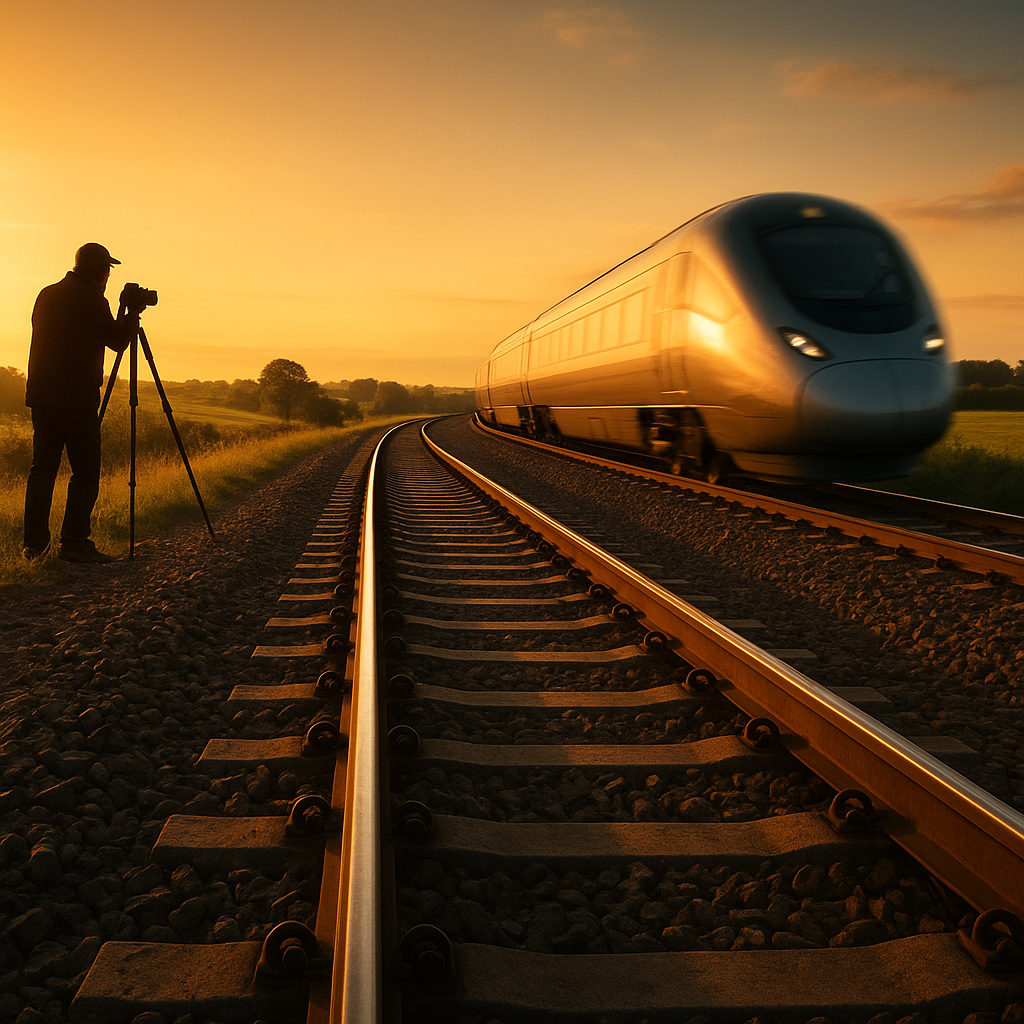
Using a camera with a fast shutter speed helps freeze the motion of trains. A tripod can be beneficial for stability, especially in low-light conditions.
For videography, plan shots ahead of time, focusing on the train’s arrival and departure. Quick editing tools can enhance videos before sharing them on social media.
Online platforms allow enthusiasts to showcase their work. He or she should use relevant hashtags to reach a broader audience. Always credit the railway company when sharing photographs.
Engaging With the Community
Interacting with other trainspotters can take many forms. Joining online forums or local clubs allows enthusiasts to exchange tips and experiences. These spaces often host meet-ups, promoting camaraderie.
Social media is crucial for community engagement. Platforms like Instagram and Twitter can be used to follow trainspotting accounts. Interactions through likes, comments, and sharing stories foster connections among trainspotters.
Attending railway events can provide opportunities for in-person networking. It also allows spotting of rare trains and sharing moments directly with fellow enthusiasts.
By participating actively, he or she can contribute to a vibrant community, ensuring a rewarding trainspotting experience.