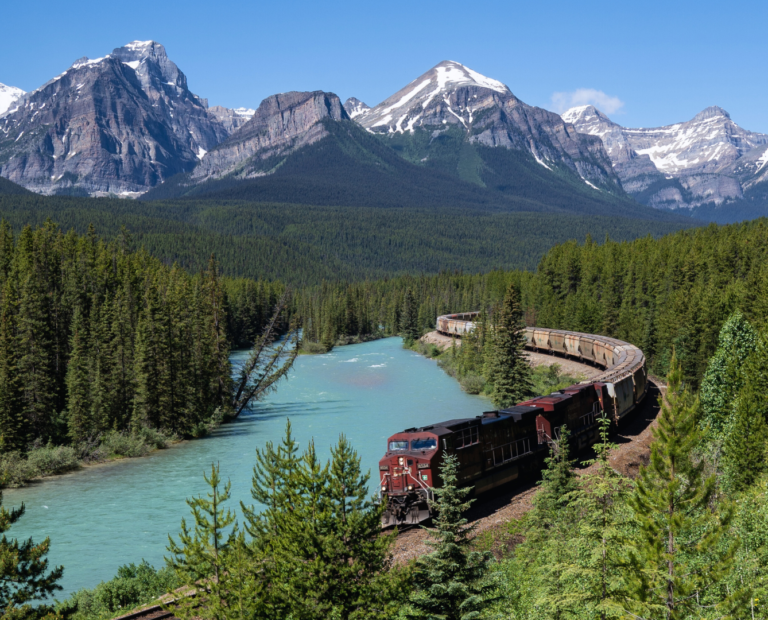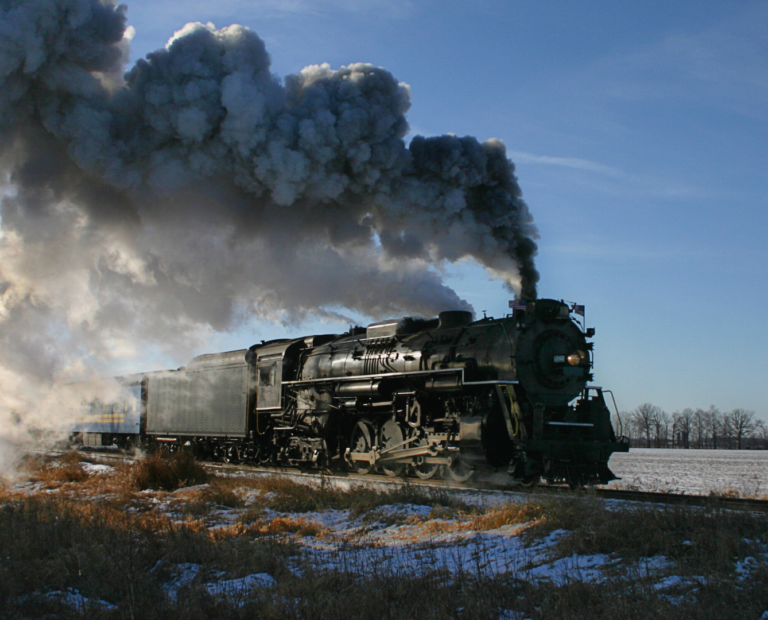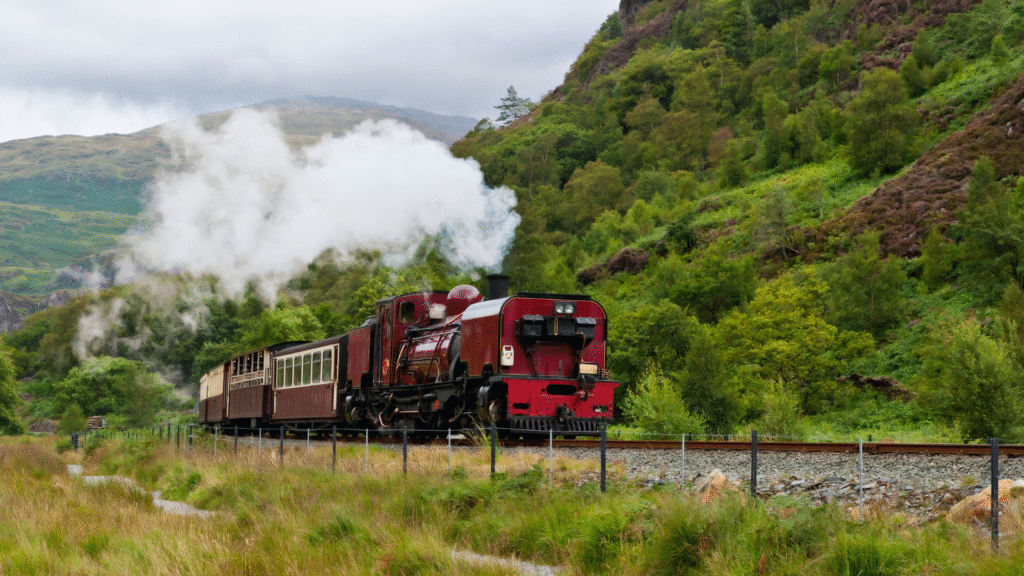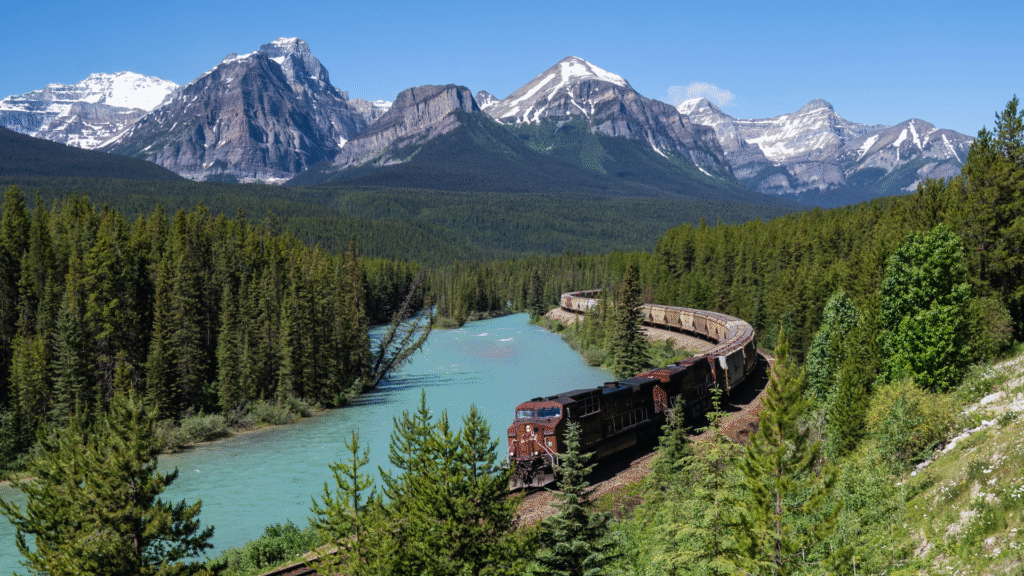

Trainspotting, a hobby enjoyed by many, involves identifying and recording different trains as they traverse the railways. It blends a passion for transport with an appreciation of railway history, appealing to enthusiasts who are fascinated by locomotives, their designs, and the stories they tell. This guide offers essential insights for newcomers, helping them navigate the world of trainspotting with confidence.
Beginners will find that the basics of trainspotting include understanding various train types, related railway terminology, and the significant historical context that has shaped today’s rail systems. It’s not just about spotting trains; it’s about connecting with a community that values shared experiences and knowledge. Equip yourself with the right tools and techniques, and you’ll quickly immerse in a rewarding pastime.
As more people seek leisure activities that combine education and enjoyment, trainspotting provides a unique opportunity to engage with history while cultivating a passion for trains. Discover the intricacies of this remarkable hobby and how to make the most of your trainspotting adventures.
Getting Started with Trainspotting
Embarking on trainspotting requires specific equipment, knowledge of schedules, and photography skills. This guide focuses on essential tools, understanding how to read timetables, and capturing the best images of locomotives.
Essential Train Spotting Equipment
Beginners should start with basic equipment to enhance their trainspotting experience. A notebook is crucial for jotting down locomotive numbers, dates, times, and observations. This helps build a personal log over time.
A good camera is essential for photography enthusiasts. A DSLR or mirrorless camera with adjustable settings for shutter speed allows for capturing high-speed trains clearly. Investing in lenses that offer various focal lengths helps frame shots from different distances.
Binoculars can greatly enhance the spotting experience, providing a closer look at distant trains. A reliable set with at least 8x magnification is recommended. These tools combined allow for a more thorough and enjoyable trainspotting adventure.
Understanding Train Schedules and Timetables
Navigating train schedules and timetables is vital for spotting trains effectively. Familiarise yourself with local railway company websites or apps that provide real-time updates. Understanding the timetable format will help spot services on the right routes.
Track the times when specific locomotives are expected at stations. Most timetables show departure and arrival times for various routes. Highlight particular trains in advance based on their historical significance or rarity to maximise sightings.
Regularly checking for changes in schedules is essential, as they can vary by season or specific days of the week. Keeping informed ensures opportunities are not missed.
Best Practices for Taking Train Photographs
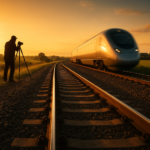
When photographing trains, positioning and timing are key. Arrive early to identify the best vantage points. Stay behind safety barriers and respect railway property regulations.
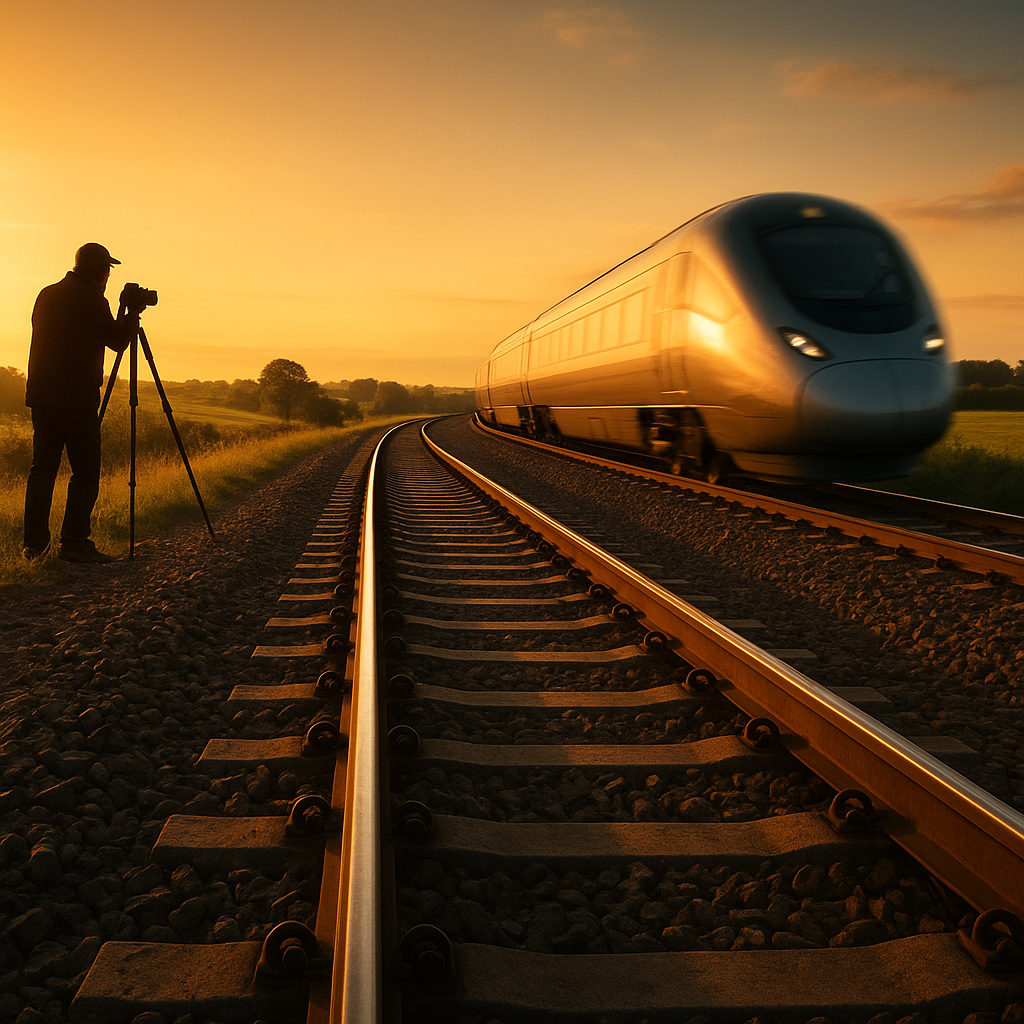
Adjust the shutter speed on the camera to capture moving trains effectively. For high-speed trains, a faster shutter speed helps freeze the motion, while a slower speed can create intentional blur, conveying movement.
Consider the lighting conditions. Early morning or late afternoon often provides the best light for railway photography. Use natural light to your advantage by positioning yourself accordingly.
Finally, experiment with angles and compositions. Wide shots can showcase entire trains, while close-ups can capture details. This practice leads to unique photographs that can enrich a trainspotter’s collection.
In-Depth Look at Railway Vehicles
Railway vehicles are classified into several categories, each serving distinct purposes within the rail network. Understanding these categories can enhance one’s appreciation for trainspotting and the complex world of rail transport.
Types of Locomotives and Multiple Units
Locomotives are primarily divided into two categories: diesel locomotives and electric locomotives. Diesel locomotives are often used in rural areas where electrification is not cost-effective. They operate using internal combustion engines, providing flexibility and independence from electrical infrastructure.
Electric locomotives rely on overhead power lines or third rails. They are typically more efficient, quieter, and offer higher speeds.
Multiple units (MUs) combine carriages and driving equipment into one train set. They are usually electric or diesel. MUs are popular in commuter services due to their ease of operation and efficiency.
On-Track Plant and Specialised Wagons
On-track plant vehicles are essential for maintenance and construction work. They include rail grinders, ballast regulators, and crane-operated vehicles. These units keep tracks in optimal condition and facilitate infrastructure upgrades.
Specialised wagons serve specific functions, such as tank wagons for liquid goods and flatbed wagons for heavy or oversized cargo.
Another notable type is the hopper wagon used for bulk materials, such as aggregate or coal.
Both on-track plant vehicles and specialised wagons play a crucial role in the broader context of railway operations, ensuring effective transport and maintenance of the rail system.
Train Spotting Safety and Etiquette
Safety and etiquette are essential for train spotters to ensure their own well-being and that of others. Being aware of surroundings and showing respect for both trains and railway property are key components of responsible train spotting.
Train Spotter Safety Guidelines
Train spotters should prioritise their safety by complying with railway safety regulations. When spotting, stay away from the tracks and keep a safe distance from moving trains. Use designated viewing areas whenever available to avoid dangerous situations. Wearing high-visibility clothing can help increase visibility to train drivers, especially in low-light conditions.
It is crucial to remain vigilant. Spotters should always be aware of their environment, including other rail users, wildlife, and potential hazards. Use binoculars rather than leaning over or stepping onto the platform edge to get a better view. Avoid distractions, such as using mobile phones, while near the tracks.
Respect and Responsibility in Train Spotting
Respect for the railway environment and its infrastructure is vital. Train spotters should never trespass on private property or use railway equipment for unauthorised activities. Reporting any suspicious behaviour or issues encountered during spotting helps maintain safety standards.
Additionally, it is important to be considerate of the local community. This can include minimising noise, not leaving litter, and respecting the property of those living near railway lines. Train spotters should also adhere to any specific regulations set by rail operators, ensuring a positive relationship between enthusiasts and the railway industry.
The Social Aspects of Train Spotting
Train spotting often fosters a sense of community among enthusiasts. This experience extends beyond mere observation of trains, allowing individuals to connect through shared interests, events, and the collection of experiences.
Railway Enthusiasts’ Communities and Events
Railway enthusiasts often gather in dedicated communities, both online and offline. These groups typically organise events such as rail meet-ups, exhibitions, and excursions known as “line bashing.”
Online forums and social media platforms facilitate connections. Enthusiasts share photographs, discuss recent haulage, and arrange group outings to observe trains in specific regions, including the Southern area.
Events like model railway shows often draw members of these communities together, fostering camaraderie. Participants not only exchange ideas but also showcase their collections, enhancing the social experience in a welcoming environment.
Sharing and Collecting Train Spotting Experiences
Documenting train spotting experiences is a vital aspect of the hobby. Many enthusiasts take pride in collecting photographs and details of notable trains they encounter.
They often maintain logs that record information such as the location, date, and type of train spotted. Sharing these experiences can occur through blogs or social media, where rail fanatics post their adventures and engage with others.
Collecting items like timetables, tickets, and memorabilia also plays a role in enhancing the experience. This exchange of stories and materials contributes to a rich tapestry of shared knowledge, making train spotting a collaborative and inclusive pastime.