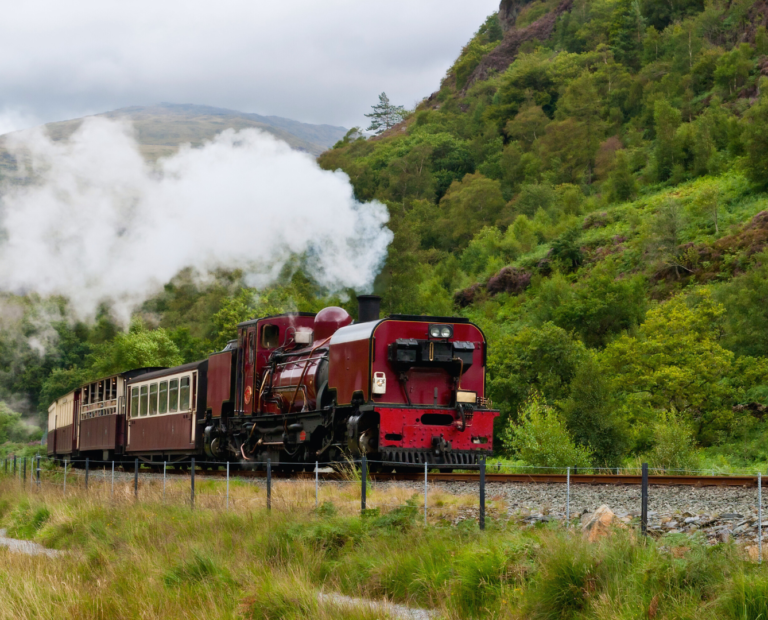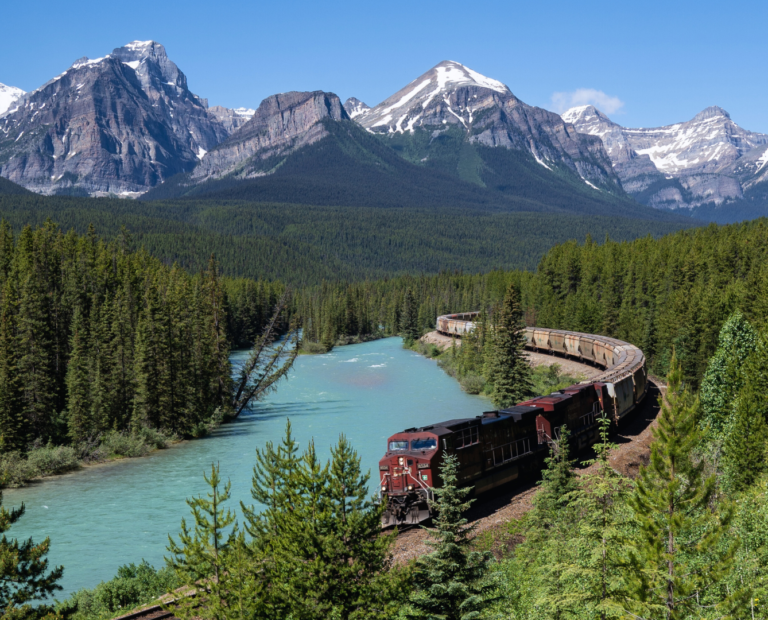

Movies often feature trains as dynamic elements that enhance storytelling and create memorable scenes. Several iconic films have showcased trains, making them central to the plot or serving as powerful backdrops for pivotal moments. From the high-speed thrills of “Snowpiercer” to the nostalgic steam engines in “Harry Potter,” trains have cemented their place in cinematic history.
The visual and symbolic potency of trains contributes significantly to a film’s narrative. In many cases, they represent a journey, transformation, or escape, creating an emotional connection with the audience. Trains in movies are not just modes of transport; they often carry deeper meanings that resonate within the story.
As this blog post explores notable films featuring trains, readers will discover how these machines add depth and intrigue to the cinematic experience. The allure of trains, combined with the magic of film, invites audiences to consider the stories they leave in their wake.
Iconic Train Movies in Cinema History
Trains have played a significant role in shaping the film industry, from silent shorts to modern thrillers. This section explores key films that highlight the impact of trains in cinema, showcasing various genres and storytelling techniques.
The Birth of Train Cinema: ‘The Arrival of a Train’ and ‘The Great Train Robbery’
The early 20th century marked a pivotal moment for train cinema. In 1896, ‘The Arrival of a Train at La Ciotat’ by the Lumière brothers captivated audiences with its realistic depiction of a train entering the station, eliciting shock and awe.
Shortly thereafter, ‘The Great Train Robbery’ (1903) further established trains in film. This 12-minute silent Western featured a group of outlaws robbing a train. Its innovative editing and narrative structure set a template for future storytelling in cinema. The film remains a landmark in film history, influencing countless Westerns and action movies that followed.
Classic Mysteries: ‘Murder on the Orient Express’ and ‘The Lady Vanishes’
Agatha Christie’s works have become synonymous with railway intrigue. ‘Murder on the Orient Express’ (1974) features detective Hercule Poirot solving a murder aboard the luxurious train. The film’s meticulous attention to detail and rich character development engage viewers as they navigate the confined setting.
On the other hand, ‘The Lady Vanishes’ (1938) presents a mystery aboard a train where a young woman investigates the disappearance of an elderly passenger. This Alfred Hitchcock classic mesmerises audiences with its suspenseful narrative and clever plot twists. Both films showcase the train as a microcosm for intrigue and tension, highlighting the unique storytelling potential of train settings.
Modern Train Thrillers: ‘Train to Busan’ and ‘The Girl on the Train’
In contemporary cinema, trains continue to inspire thrilling narratives. ‘Train to Busan’ (2016) is a South Korean film that combines horror and action, depicting survivors fighting against a zombie outbreak while trapped on a moving train. Its intense pacing and emotional depth received critical acclaim, highlighting the train’s role in creating urgency and claustrophobia.
Conversely, ‘The Girl on the Train’ (2016) adapts Paula Hawkins’ bestselling novel, using a train as a backdrop for a psychological thriller. The protagonist’s daily commute leads her into a web of mystery and deception. Both films illustrate how modern train stories can effectively engage audiences through suspense and psychological complexity.
Trains as Symbols in Film
Trains in film often represent deeper themes, serving as vehicles for social commentary or reflections on personal relationships. Their ability to traverse different landscapes allows filmmakers to explore contrasts in class systems and emotional connections.
Class Struggle and Social Commentary: ‘Snowpiercer’ and ‘Parasite’
In Snowpiercer, the train becomes a microcosm for class struggle, illustrating a rigidly stratified society. Each carriage signifies a different social class, from the affluent at the front to the impoverished at the rear. The journey on the train reflects the characters’ fight against systemic oppression.
Parasite also uses the notion of trains symbolically, representing socio-economic disparities. The journey between the wealthy and the poor illustrates the stark contrast in lifestyles. The train’s movement underscores the characters’ attempts to bridge social divides, highlighting the themes of ambition and desperation.
Romance and Reflection: ‘Before Sunrise’ and ‘The Darjeeling Limited’
Before Sunrise employs the training setting to facilitate intimate connections, the characters, Jesse and Céline, meet on a train, prompting conversations that explore philosophy, love, and life. This transient space fosters spontaneity and serves as a backdrop for a blossoming romance.
In The Darjeeling Limited, the train journey reflects themes of familial bonds and personal growth. The brothers travel across India, confronted with their past and conflicts. The train becomes a symbol of their journey towards reconciliation. Each stop represents not just a physical location but also emotional milestones in their relationship.
Technical Advances in Train Cinematography
Innovative technologies and filming techniques have significantly enhanced the portrayal of trains in movies. Among these advancements are IMAX and phantom ride systems, which allow for immersive and dynamic visuals. Films like Back to the Future III and Bullet Train showcase the evolution of steam locomotives and high-speed trains in cinematic storytelling.
Innovative Filming Techniques: IMAX and Phantom Rides
IMAX technology has revolutionised the way filmmakers capture the grandeur of trains. The large-scale format provides high-resolution visuals, enhancing the scale and detail of train scenes.
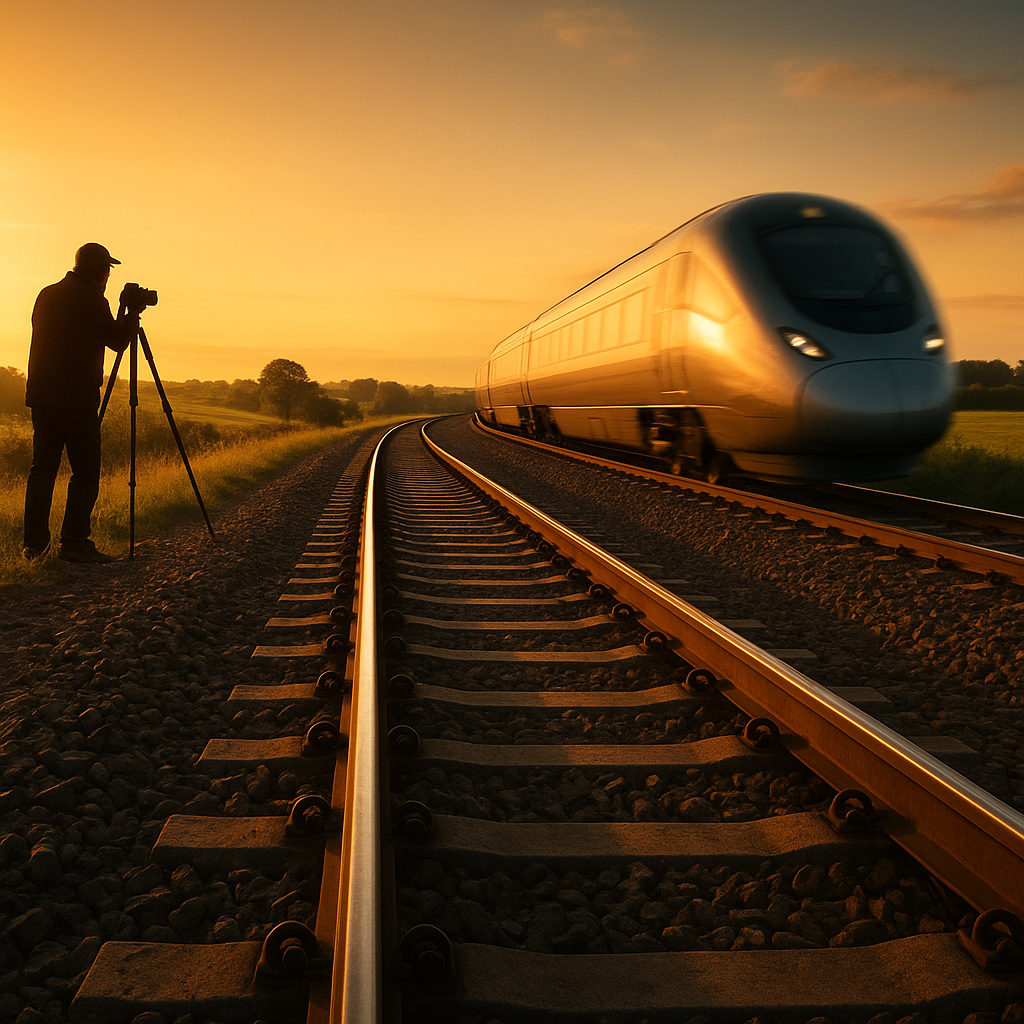
Phantom rides, which involve mounting cameras on moving trains, capture unique and immersive perspectives. This technique has become essential for creating thrilling action sequences. By employing these filming techniques, filmmakers can transport viewers into the train’s experience, making it feel palpable and visceral.
Steam Locomotives and High-Speed Trains: ‘Back to the Future III’ and ‘Bullet Train’
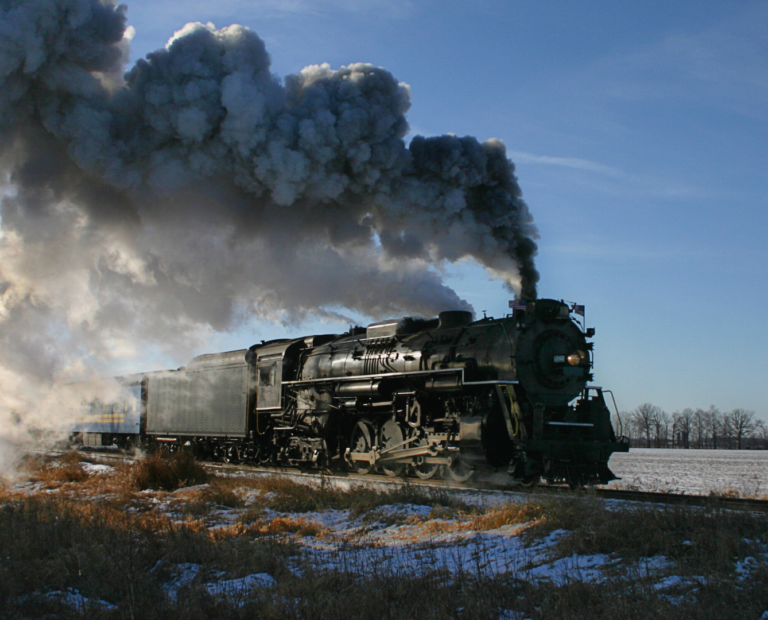
Back to the Future III features a historical steam locomotive, showcasing its power and nostalgia. The film utilises practical effects and careful cinematography to highlight the steam engine, bringing an authentic feel to the time travel element.
In contrast, Bullet Train exemplifies modern train technology with high-speed trains. Its fast-paced cinematography reflects the intensity of the narrative. The use of advanced camera techniques presents an exhilarating experience that underscores the adrenaline-fueled plot, showcasing the evolution of train imagery in cinema.