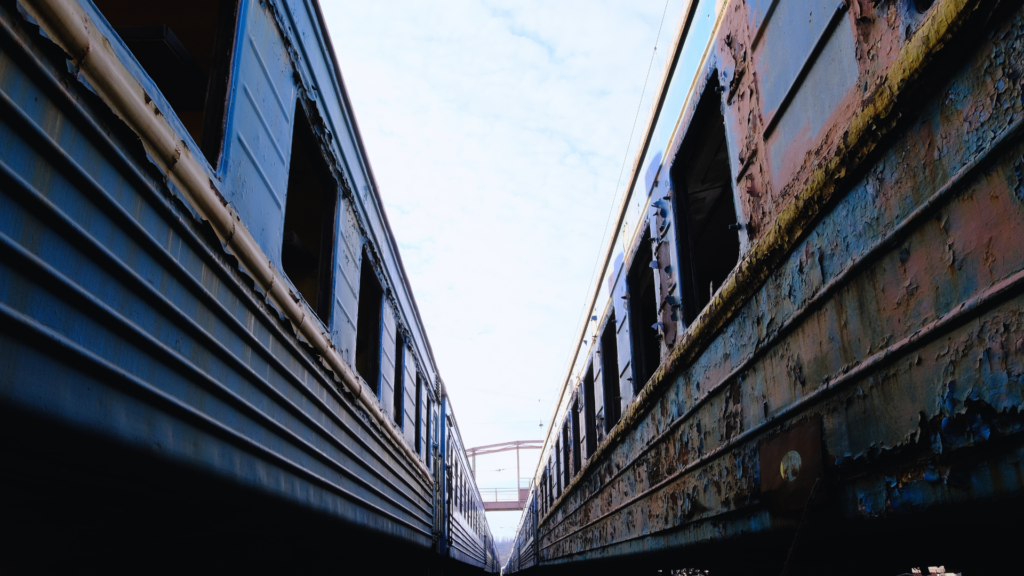
Restoration projects for old rail carriages offer a unique blend of preserving history and fostering creativity. These initiatives can turn neglected vehicles into functional, attractive spaces that serve community interests and tourism. Many enthusiasts and organisations are dedicated to breathing new life into these vintage carriages, often utilising traditional craftsmanship alongside modern techniques.
The benefits of such projects extend beyond aesthetics. They can create valuable educational opportunities as volunteers and apprentices learn about restoration processes, engineering, and design. Engaging local communities in these efforts not only enhances public appreciation for railway heritage but also boosts local economies through tourism and events centred around restored carriages.
Additionally, the environmental impact of restoring rather than discarding these old carriages cannot be ignored. By repurposing existing materials and structures, projects contribute to sustainable practices. This approach aligns with broader efforts to reduce waste and protect historic artefacts, ensuring they continue to tell their stories for generations to come.
Historical Context of Railway Carriages
Railway carriages have undergone significant transformations over the years, reflecting advancements in technology and changes in passenger needs. Understanding their evolution and the importance of preservation helps us appreciate their role in transport history.
Evolution of Rail Carriage Design
Railway carriage design evolved substantially from the 19th century onwards. Initially, carriages were simple wooden constructions, often resembling horse-drawn coaches. As the Great Central Railway emerged, more sophisticated designs were introduced, including the use of metal frameworks for added durability and safety.
Notable innovations included the Barnum carriages, named after the famous circus owner P.T. Barnum, which featured luxurious interiors. These designs catered to wealthier passengers seeking comfort during their journeys. George Dow played a pivotal role in these developments, advocating for improved standards in railway travel.
By the early 20th century, carriages incorporated electric lighting, heating, and more efficient ventilation. The integration of these features marked a significant step towards modern travel experiences, allowing for smoother and more comfortable transit.
Significance of Preservation Efforts
Preserving historical railway carriages is crucial for several reasons. These carriages serve as tangible links to the past, offering insights into the technical and social history of railway transport. Railway heritage groups work diligently to restore these carriages, ensuring that future generations can appreciate their significance.
Furthermore, preserved carriages often participate in heritage railways and events, attracting tourism and educational opportunities. Restorations educate the public about historical transport methods and the evolution of travel.
Efforts in maintenance and restoration not only highlight the craftsmanship of earlier designs but also uphold the legacy of significant rail networks like the Great Central Railway. Emphasising these aspects ensures that the cultural heritage surrounding railway transport remains visible and valued.
Restoration Principles and Practices
Effective restoration of vintage rail carriages requires careful planning and execution. Specific principles and practices guide this process, ensuring the preservation of historical integrity while integrating modern safety and usability standards.
Assessment and Planning
A thorough assessment of the carriage is essential before starting any restoration. This includes examining the structural integrity, historical significance, and original materials used in construction.
Restorers should take detailed notes and photographs to document the condition of the carriage. Planning involves creating a comprehensive restoration blueprint outlining the necessary repairs, timelines, and budget constraints.
Collaboration with railway engineering experts can provide insights into best practices and techniques suited to the carriage’s original design. Engaging with historical societies may also help in sourcing authentic materials.
Materials and Techniques
Choosing the right materials is critical for maintaining the authenticity of vintage rail carriages. Where possible, original materials such as hardwoods, steel wheels, and period-specific fixtures should be reused.
Restorers often source parts from speciality suppliers or salvaged from other carriages. Modern materials may be used, provided they match the aesthetic and functional characteristics of the originals.
Techniques employed vary depending on the damage and restoration goals. Common practices include welding for structural repairs and wood joinery for internal components. Attention to finish is crucial; for example, using period-appropriate paint and varnishes that mirror the carriage’s original appearance.
Safety and Standards
Restoration projects must adhere to safety regulations and industry standards. This ensures not only the structural safety of the carriage but also the well-being of future passengers.
Restorers must be familiar with Local and national regulations regarding heritage vehicles. Incorporating modern safety features, such as updated braking systems, while retaining historical aesthetics can provide the required balance.
Regular safety checks and certification from relevant bodies are necessary before the carriage can be put back into service. Familiarising oneself with guidelines from organisations like the Heritage Railway Association can help ensure compliance.
Case Studies and Notable Projects
In the realm of rail carriage restoration, several noteworthy projects have emerged, showcasing significant efforts to preserve this aspect of railway heritage. Two prominent examples are the initiatives led by the GCR Rolling Stock Trust and contributions from the National Railway Museum.
GCR Rolling Stock Trust
The GCR Rolling Stock Trust operates as a registered charity, primarily focusing on the restoration of heritage rail carriages from the Great Central Railway. Their projects have included the thorough restoration of GCR carriages, which is vital for maintaining railway history.
This trust emphasises the importance of using traditional techniques alongside modern technologies. They engage volunteers in every step, fostering a community spirit in restoration efforts. Each carriage restoration serves not only to preserve the physical structure but also to educate the public about railway heritage.
The trust’s initiatives have involved funding from various sources, ensuring sustainable progress. The detailed approach helps maintain the carriages’ historical accuracy while ensuring their operational viability.
National Railway Museum Contributions
The National Railway Museum plays a significant role in the conservation of railway history, with various contributions to carriage restoration projects. Their collection houses an array of rail vehicles, including rare and historically significant carriages.
The museum often collaborates with other organisations, providing expertise and resources for restoration projects. They focus on documentation to track the history and significance of each carriage, ensuring that restoration efforts maintain authenticity.
Additionally, they conduct workshops and public events to raise awareness about the importance of preserving rail heritage. This engagement helps foster appreciation among visitors, encouraging support for ongoing and future restoration projects.
The Future of Heritage Railways
Heritage railways continue to evolve as they focus on modernising their services while preserving history. Technological advancements will enhance passenger experiences, and the educational and cultural impacts will strengthen community ties.
Technological Advancements
Heritage railways are increasingly adopting new technologies to enhance passenger service. Innovations in ticketing systems, such as contactless payments and online bookings, are making travel more convenient.
Dining services are also benefiting from technology. Many railways are introducing digital menus and online reservations for dining experiences aboard vintage trains. Restoration techniques are evolving as well, with methods that allow for the preservation of authenticity while ensuring safety compliance.
Moreover, railways are harnessing social media to engage with audiences, showcase restoration projects, and promote events. This connectivity facilitates community involvement and attracts new visitors.
Educational and Cultural Impact
Heritage railways serve as living museums, providing educational opportunities for passengers. Guided tours often explain the historical significance of locomotives and carriages, fostering a deeper appreciation for railway heritage.
These railways often collaborate with schools and local organisations to promote culture through workshops and events. This partnership cultivates interest in transportation history and the skills involved in restoration.
Cultural events along rail routes, such as themed dining experiences, enhance visitor engagement, turning journeys into immersive educational adventures. They revive local traditions and promote regional history, fostering a sense of identity among communities.
Through these educational initiatives and cultural connections, heritage railways are set to remain vital parts of their locales, ensuring their legacy for future generations.