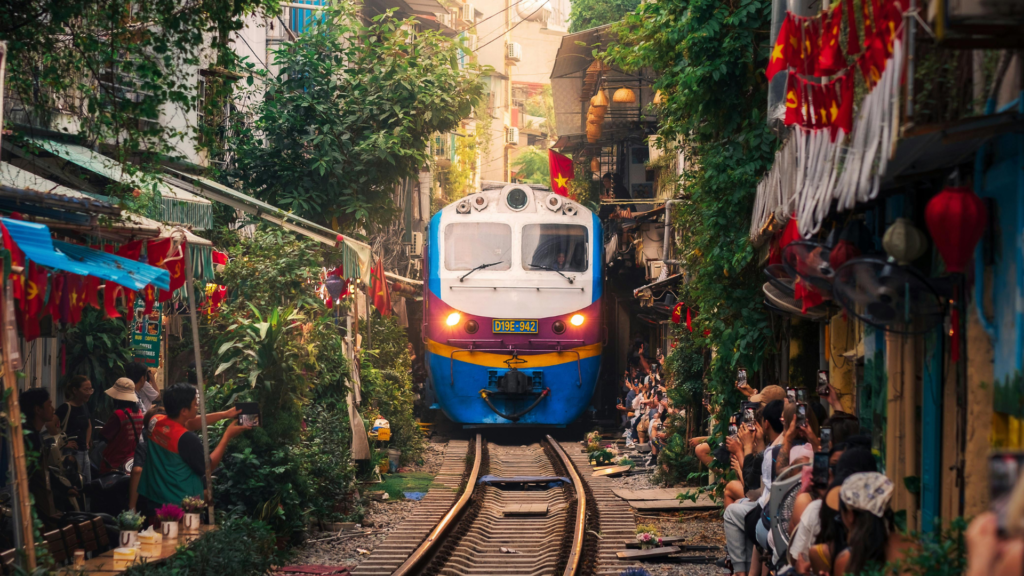
Train travel holds a unique place in the tapestry of cultural experiences around the world. For many, the train journey embodies more than just transportation; it represents a means of connection between diverse landscapes and varying lifestyles. The cultural significance of train travel lies in its ability to foster a sense of community and shared experience among passengers.
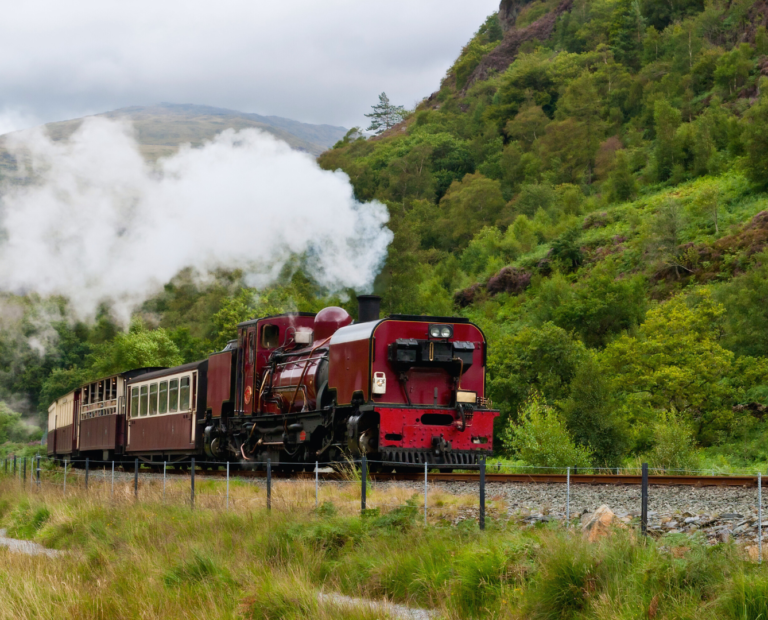
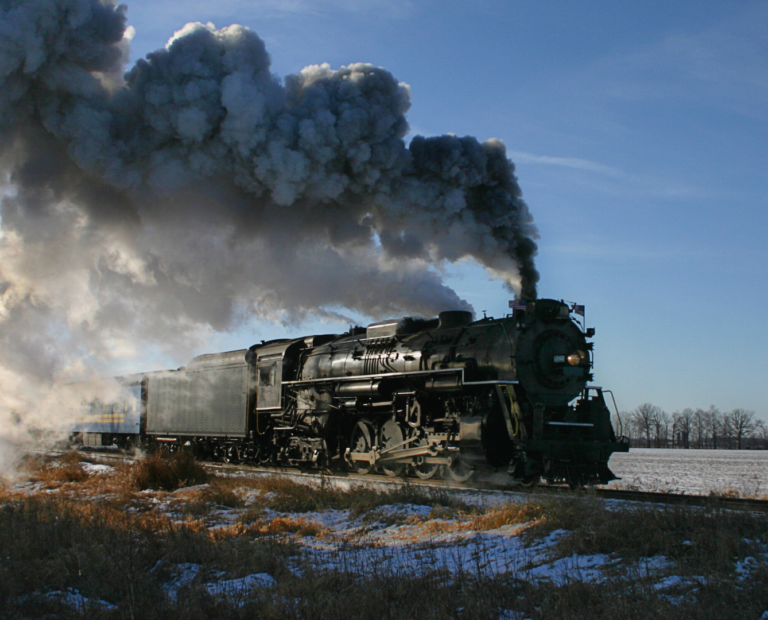
Historically, trains have played a pivotal role in shaping social interactions and economic development. From the romantic image of steam trains weaving through countryside vistas to the bustling urban commuter trains, these modes of transport serve as a reflection of societal changes and advancements. They facilitate exploration and adventure, allowing individuals to engage with unfamiliar cultures along the way.
Moreover, the rituals associated with train travel, such as waiting on platforms or sharing compartments, contribute to its enduring charm. These moments often lead to conversations and encounters that create lasting memories. The cultural impact of trains enriches the travel experience, turning journeys into stories that resonate with people long after the journey ends.
Historical Evolution of Train Travel
Train travel has undergone a profound transformation since its inception, impacting society and economy over decades. The evolution includes key milestones in railway development, notable train journeys, and the broader implications for trade and social change.
The Inception of Railways
The roots of railways trace back to the early 19th century, with the opening of the first public railway in 1825. George Stephenson’s Locomotion No. 1 led the way on the Stockton and Darlington Railway, demonstrating steam locomotion’s capabilities. This innovation sparked a rapid expansion across Europe and North America.
By the 1860s, railways became crucial infrastructure that connected urban areas and facilitated trade. The Liverpool and Manchester Railway was a significant milestone, marking the first fully operational railway to rely on steam locomotives. These developments laid the groundwork for a nationwide railway network in Britain, influencing global transport systems.
Iconic Rail Journeys and Trains
Train journeys became synonymous with adventure and glamour. The Orient Express, famously immortalised in Agatha Christie’s Murder on the Orient Express, symbolised luxury travel across Europe. This train linked cities like Paris, Venice, and Istanbul, showcasing stunning landscapes and elite service.
Another notable route is the Trans-Siberian Railway, stretching over 9,000 kilometres from Moscow to Vladivostok. It serves not only as a key trade route but also as a cultural bridge embracing diverse regions of Russia. Travelling these iconic trains illustrates the romanticism and historical significance of rail journeys worldwide.
Economic and Social Impacts of Train Travel
The advent of trains revolutionised economies through enhanced trade. Rail networks enabled the swift movement of goods, reducing transport costs and opening new markets. Agricultural products, manufactured goods, and raw materials could reach distant locations with unprecedented efficiency.
Socially, trains transformed people’s mobility, contributing to urbanisation and the rise of leisure travel. They fostered connections between rural and urban communities, allowing individuals to seek employment and adventure beyond local confines. This shift changed sociocultural dynamics, influencing lifestyles and interactions.
Cultural and Artistic Influence of Train Journeys
Train journeys have long been an important motif in cultural expressions, reflecting themes of adventure, freedom, and the passage of time. This influence spans literature, film, art, and music, capturing the complexities of human experience through the lens of rail travel.
Trains in Literature and Film
Trains frequently appear in literature and film as symbols of transition and exploration. For instance, Agatha Christie’s Murder on the Orient Express uses a train set to create an atmosphere of suspense and intrigue, emphasising the isolation and intimacy of the confined space.
Wes Anderson’s The Darjeeling Limited presents trains as a backdrop for personal discovery and the reconnecting of family. In both cases, the journey becomes as significant as the destination, providing rich ground for character development and thematic exploration.
Symbolism and Metaphor in Art
In many artistic representations, trains embody various symbols. They often represent the march of progress and change. Artists utilise trains to signify the dynamic nature of society and human connection.
For example, the steam train can evoke nostalgia for a bygone era, while also symbolising the relentless passage of time. Various artists explore the emotional weight trains carry, from freedom and adventure to confinement and tension, allowing viewers to interpret layered meanings.
Music and Train Travel
Music has also found inspiration in the motif of trains, representing freedom and movement. Iconic songs like “Midnight Train to Georgia” capture the yearning for escape, resonating with listeners on a personal level.
Similarly, train sounds have been incorporated into various musical genres, emphasizing rhythmic patterns and evoking feelings associated with travel. The cultural significance of trains in music often echoes themes explored in literature and film, forging a cohesive narrative around the experience of train journeys.
Modern Advances and Challenges in Rail Travel
Rail travel is experiencing significant advancements through technology and innovation, while also facing challenges related to environmental sustainability and the future of transport. The following points provide insight into these pressing topics within the rail sector.
Technological Innovations in Train Systems
Recent years have seen remarkable technological advancements in train systems. High-speed trains, such as Japan’s Shinkansen and France’s TGV, illustrate the capabilities of modern rail technology. These trains can reach speeds exceeding 300 km/h, drastically reducing travel times between major cities.
Key Innovations Include:
- Advanced Signalling Systems: These enhance safety and efficiency, allowing for more trains on the same track.
- Smart Ticketing: Digital solutions streamline the boarding process and improve customer experience.
- Energy Efficiency: New train designs focus on reducing energy consumption, utilising lighter materials and aerodynamics.
These innovations not only boost the passenger experience but also increase the competitiveness of rail travel against other transport modes.
Environmental Concerns and Sustainable Travel
Rail travel is often touted as a more sustainable mode of transportation compared to cars and planes. However, concerns about carbon emissions and environmental impact remain relevant.
Sustainable Practices Include:
- Electrification: Many rail networks are transitioning from diesel-powered to electric trains, significantly lowering emissions.
- Renewable Energy Sources: Integrating solar and wind energy for train operations can further reduce the carbon footprint.
- Eco-Friendly Train Models: Innovations like hydrogen-powered trains have emerged as alternatives to traditional fuel sources.
Despite these advancements, the challenge lies in ensuring that all rail systems prioritise sustainability while meeting growing passenger demand.
The Future of Train Travel
The future of rail travel appears promising, with a focus on enhancing the travel experience and integrating sustainable practices. High-speed rail networks are expanding globally, connecting more regions efficiently.
Anticipated Developments:
- Luxury Train Travel: Operators like Rocky Mountaineer offer immersive experiences, combining sightseeing with comfort and style.
- Smart Technologies: The use of AI and data analytics will enhance operational efficiency and customer service.
- Sustainable Tourism Integration: Rail systems will increasingly collaborate with local tourism initiatives to promote eco-friendly travel options.
As the sector evolves, balancing innovation with environmental stewardship will be critical to achieving sustainable growth.
Train Travel as a Social Experience
Train travel is not just about the destination; it embodies a unique social experience that connects passengers across various journeys. It fosters a sense of adventure and nostalgia while contributing significantly to mobility and economic growth.
Train Routes and Mobility Across Regions
Train routes serve as essential links between cities and states, facilitating movement across diverse regions. They provide passengers with a chance to experience the scenery and culture of different areas. Scenic routes are not merely practical; they enhance the travel experience by showcasing natural landscapes.
By enabling access to urban centres and rural destinations alike, railway networks play a crucial role in promoting cultural exchange. The convenience of train travel supports daily commuters and long-distance passengers, fostering a community of travelling individuals. This mobility enhances regional stability and integration.
The Role of Trains in Tourism and Economic Growth
Trains significantly contribute to tourism, with many journeys becoming attractions in their own right. Tourist-oriented train services, such as luxury or historical trains, offer unique travel experiences that draw visitors eager to explore new destinations.
Economic growth is bolstered as railways facilitate not only tourism but also commerce. Transporting goods and people efficiently promotes local economies. As travel by train becomes more appealing, it can lead to increased investments in railway infrastructure, further enhancing the journey for future passengers.