
Interactive train exhibits offer a fantastic opportunity for families to engage in hands-on learning while exploring the fascinating world of trains. These exhibits provide children with the chance to learn about train history, engineering, and even the science of motion in a fun and memorable way. Parents and caregivers can enjoy quality time with their children, all while nurturing their curiosity and imagination.
Many of these interactive experiences include activities such as simulated train controls, model train displays, and educational workshops. Families can find exhibits at local museums, transport centres, or dedicated train parks, which often feature real locomotives that children can explore up close.
Visiting these interactive train exhibits not only entertains but also fosters educational development, making them an excellent choice for a family outing. Engaging with these exhibits can spark a lifelong interest in trains and engineering, creating lasting memories for all involved.
Exploring Interactive Exhibits
Interactive exhibits offer a unique opportunity for families to engage with learning in a dynamic way. These exhibits enhance the experience by incorporating hands-on elements that captivate both children and adults.
Types of Interactive Exhibits
There are various types of interactive exhibits designed to enhance visitor engagement. Hands-on displays allow families to manipulate objects, encouraging exploration and discovery. For instance, models of trains that visitors can operate provide an immersive experience.
Digital exhibits utilise technology, such as touchscreens and virtual reality, to create interactive environments. These can simulate railway systems, allowing participants to see how trains operate in real-time.
Additionally, some exhibits feature role-playing areas where children can dress up as train conductors or engineers. This type of engagement fosters imaginative play while teaching about the roles within the railway industry.
Importance of Hands-On Learning
Hands-on learning is essential for effective education in museum settings. Interactive exhibits allow children to take an active role in their learning journey, which can deepen their understanding of complex concepts.
Research indicates that children retain information better when they engage physically with their environment. For instance, manipulative activities, such as assembling train tracks, help develop fine motor skills while reinforcing cognitive development.
Moreover, these interactive experiences encourage cooperation and teamwork among family members. Families often work together to complete challenges, promoting social skills and communication.
By participating in these exhibits, families not only enjoy quality time but also cultivate a learning environment that is both enjoyable and impactful.
Iconic Railway Exhibitions across the UK
The UK features several railway exhibitions that captivate families and enthusiasts alike. These sites offer unique insights into the rich history of rail travel, showcasing both steam locomotives and interactive experiences. The following exhibitions represent some of the most iconic locations across the country.
National Railway Museum in York
The National Railway Museum is the largest of its kind in the world. Located in York, it houses over 1,000,000 items related to railway history. Visitors can explore iconic locomotives, including the famous Flying Scotsman and Mallard, alongside numerous interactive exhibits designed to engage families.
Children can participate in hands-on activities, such as engine-driving simulators and treasure hunts that bring history to life. The expansive gallery space allows for viewing trains from different eras, making it a perfect blend of education and entertainment. Guided tours and family events often take place, adding depth to the experience.
Great Central Railway
Situated in Leicestershire, the Great Central Railway is the UK’s only double-track, mainline heritage railway. Spanning over 18 miles, it features a selection of steam and diesel locomotives operating regular services. Families can travel through picturesque countryside while enjoying the charm of vintage carriages.
Various themed events are hosted throughout the year, including Santa Specials during the festive season, and Peppa Pig experiences for younger children. The railway’s heritage is well-preserved, providing visitors with a sense of nostalgia while also educating them about rail transport in the UK.
Lappa Valley Steam Railway
The Lappa Valley Steam Railway, located in Cornwall, offers a delightful experience through scenic woodlands and riverside tracks. This charming heritage line features a range of steam locomotives. Families can enjoy a short ride to the beautiful Lappa Valley, where play areas and picnic spots exist.
The site includes attractions like a miniature railway and a boating lake. Scheduled events, such as pirate-themed days or vintage fairs, enhance the family’s day out. Visitors can engage in various seasonal activities, making it a versatile destination for all ages.
Locomotion Museum
In Shildon, County Durham, the Locomotion Museum presents an extensive collection of historically significant railway artefacts. It showcases notable locomotives like Locomotion No. 1 and emphasises the role of railways in connecting local communities.
Interactive exhibits draw in families, offering activities such as footplate experiences and educational workshops. The museum promotes an understanding of the Industrial Revolution and its impact on the UK’s railway network. Various outdoor events throughout the year enrich the experience, ensuring that families leave with a deeper appreciation for Britain’s rail history.
Interactive Learning through Design and Build
Families can engage in interactive learning through various hands-on experiences related to training design and engineering. These activities highlight the principles of engineering, creativity, and teamwork while providing fun and educational opportunities.
Engineering and Demonstration Events
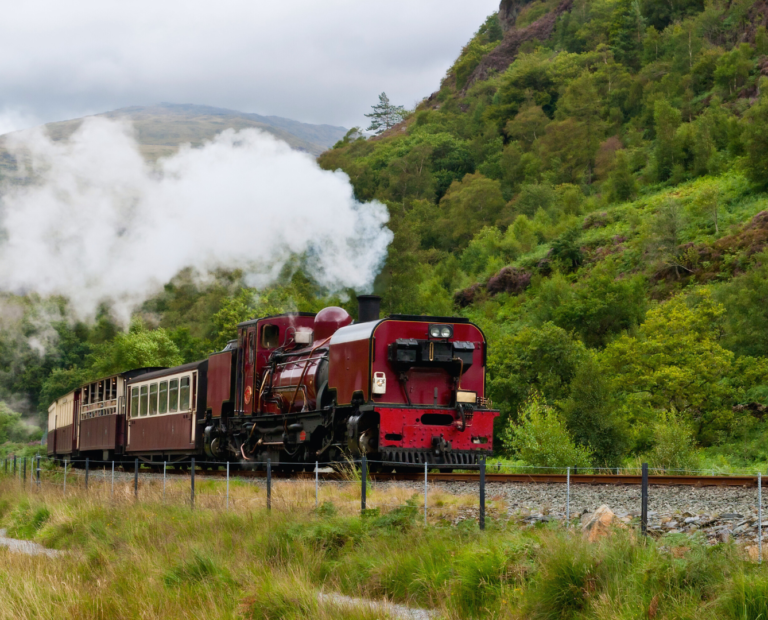
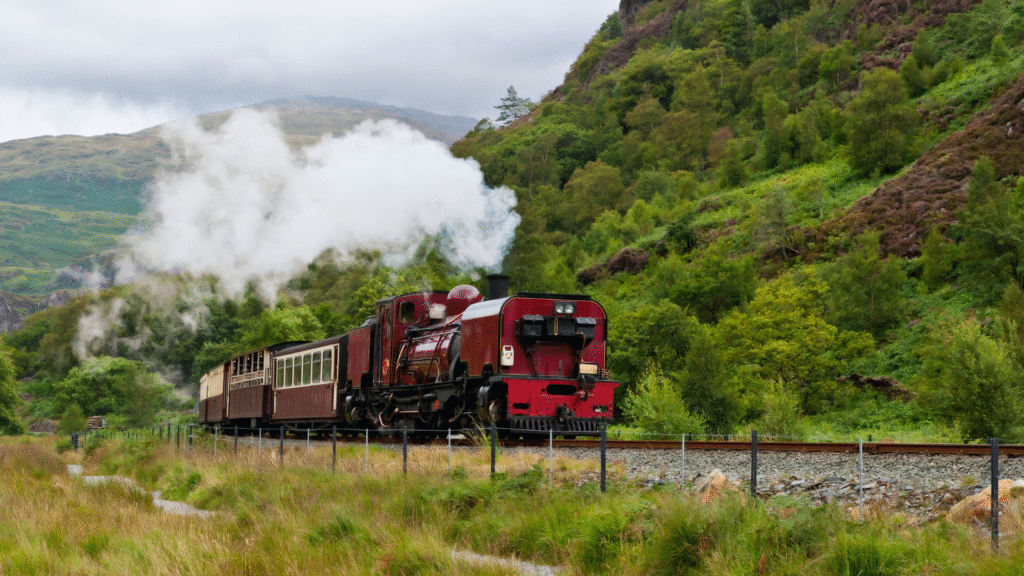
Engineering and demonstration events allow families to experience the principles of train technology. Participants can observe live demonstrations of train systems, such as how steam engines operate, including the iconic Jacobite steam train in the Scottish Highlands.
Interactive displays often invite families to engage in simple engineering tasks, such as assembling miniature tracks or understanding the mechanics of train propulsion. By participating in these activities, they gain insight into mechanical engineering and problem-solving techniques. Such events foster curiosity and encourage participants to ask questions about the technology behind trains.
Train Ride Experiences
Train ride experiences offer families a unique opportunity to see engineering principles in action. Riding on a train, like the Jacobite steam train, showcases various elements of train design, including the importance of tracks, signals, and safety systems.
Through guided tours, families learn about historical trains and their impact on transportation. Interactive elements may include allowing children to participate as junior conductors or learn about the route’s historical significance in the Scottish Highlands. Engaging with the environment enhances their understanding of train operation and history.
Design Workshops for Youngsters
Design workshops for youngsters focus on hands-on activities where children can create their own train models. These workshops teach fundamental design concepts, using materials like cardboard and model kits to bring their ideas to life.
Participants learn about the engineering process, including testing their designs for functionality and stability. Instructors guide them in understanding aerodynamics and weight distribution, making the experience both educational and enjoyable.
Through collaborative efforts, children develop skills in teamwork and critical thinking, creating a fun environment that stimulates creativity and innovation. Design workshops provide an exciting platform for learning about trains and engineering, ensuring that families leave with a deeper appreciation for train technology.
Planning a Family Day Out
A family day out at interactive train exhibits offers unique experiences that engage both children and adults. Attending special events and recognising the educational value can make for a memorable outing.
Family Events Highlights
Many heritage railways host family-friendly events throughout the year. These can include themed days, steam train rides, and community festivals. Events are often designed to cater to various age groups, ensuring everyone finds something enjoyable.
Families can also participate in workshops that demonstrate train mechanics and safety. Some venues provide storytelling sessions featuring stories related to trains and travel. Engaging activities might include treasure hunts or model train building, which promote teamwork and creativity.
Regular seasonal events enhance family experiences each year. Local heritage railways frequently have calendars displaying upcoming events, making it easy to plan a visit.
Educational Value for Children
Visiting train exhibits can be both entertaining and informative for children. They learn about the history of rail travel, including how trains have evolved over time. Exhibits often include interactive displays where kids can experience operating controls or simulating a train journey.
In addition to learning about technology, children gain insights into the importance of trains in society. Facts about how trains connect communities and sustain economies are often highlighted.
Moreover, children can discover principles of physics, such as magnetism and motion, in engaging ways. Educational materials and guided tours can enhance their understanding while maintaining their interest. Parents often find these experiences align well with educational goals, making a day out rewarding on multiple levels.