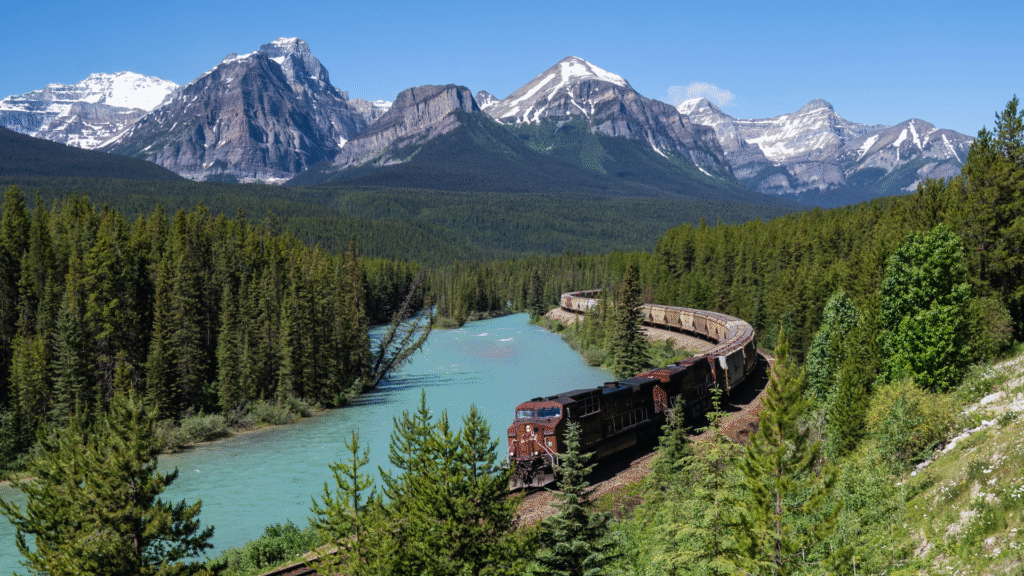

Photographing trains at night offers unique challenges and rewards for railway photography enthusiasts. The quiet tracks and illuminated trains create a captivating atmosphere that daytime photography cannot replicate. With the right techniques and equipment, it is possible to capture stunning night shots that highlight the beauty of trains in a different light.
To succeed in night train photography, she must master the use of long exposure settings, appropriate ISO levels, and the right lenses. These elements combine to create images that are sharp and vibrant, even in low-light conditions. Planning ahead, such as scouting locations during the day and knowing train schedules, can significantly enhance the overall results.
Lighting plays a crucial role in night photography, so utilising natural and artificial light sources effectively is essential. Experimenting with different angles and perspectives can also lead to extraordinary compositions. By following these tips, any photographer can transform their night train photography into a compelling visual narrative.
Essential Camera Settings for Night Train Photography
When photographing trains at night, selecting the right camera settings is crucial for capturing sharp images with optimal detail. Key settings include shutter speed, ISO, and focus methods to accommodate moving subjects in low light. Each element plays a significant role in the final image quality.
Mastering Shutter Speed for Sharp Images
Shutter speed is vital for freezing motion, particularly with moving trains. Ideally, a fast shutter speed of 1/500s or quicker helps capture sharp images of trains in motion.
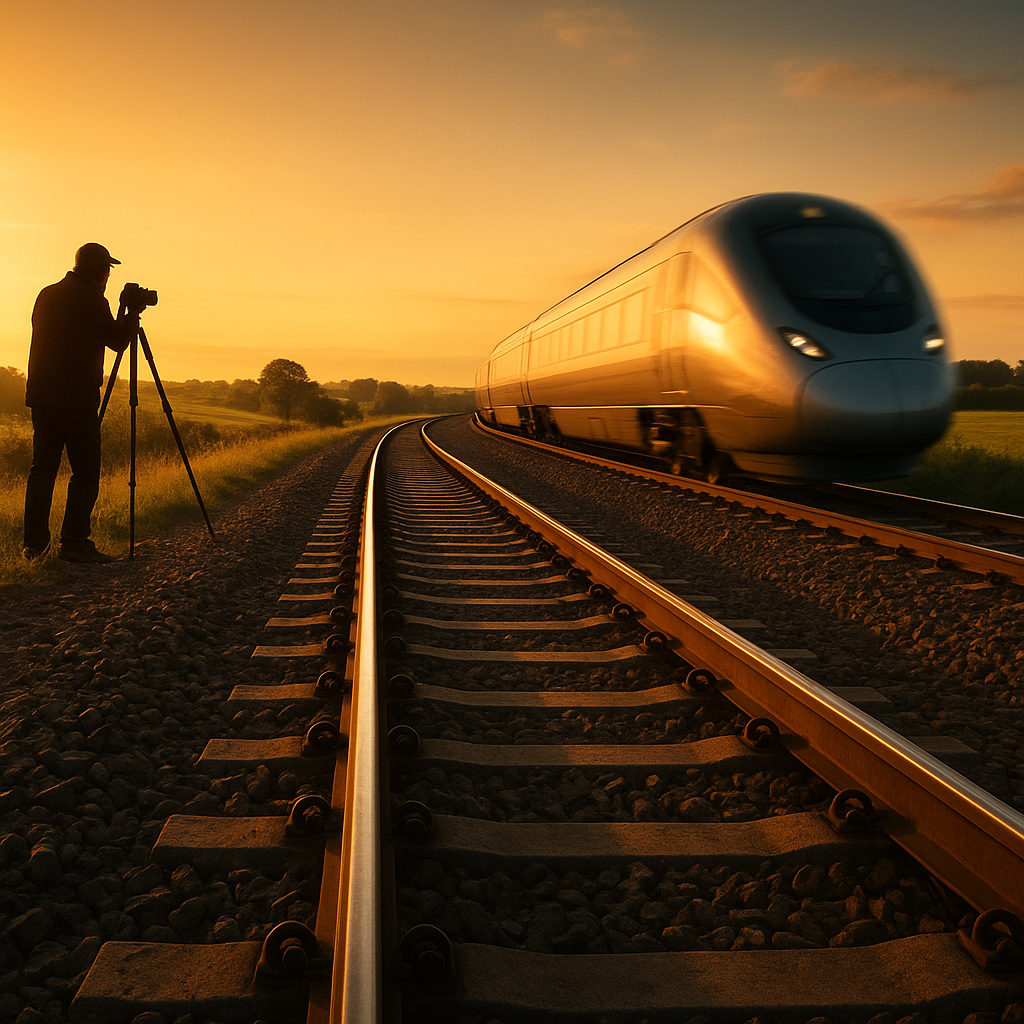
For stationary trains, slower speeds, such as 1/30s, can create a sense of movement through blur, conveying the dynamism of the scene.
Experimentation is key; using a tripod can help maintain stability with slower shutter speeds, ensuring crisp results while controlling exposure.
Understanding ISO for Night Photography
ISO settings determine the camera’s sensitivity to light. In night photography, a higher ISO, such as 1600 or 3200, can enhance image brightness without overly compromising quality.
However, increasing ISO may introduce noise, affecting image clarity. Striking a balance between an adequate ISO and image quality is essential.
It’s advisable to test different ISO levels to ascertain the best setting for specific lighting conditions, ensuring rich detail in train features while minimising grain.
Focus Points and AI Servo for Moving Trains
When capturing moving trains, using AI Servo (or continuous autofocus) is essential. This setting allows the camera to track moving subjects, adjusting focus continuously as the train approaches.
Choosing the right focus point is important; centre focus points are typically more reliable than outer points in low light.
It’s also beneficial to pre-focus on a specific track area where the train will pass. Preparing in advance increases the chances of sharp focus when the moment arrives, capturing the train with precision.
Composition Techniques in Train Photography
Effective composition enhances train photography, especially at night. By focusing on established techniques, photographers can create striking images that capture the essence of trains in different environments.
Employing the Rule of Thirds
The rule of thirds is a foundational composition technique. Photographers should imagine dividing the frame into a grid of nine equal sections with two horizontal and two vertical lines.
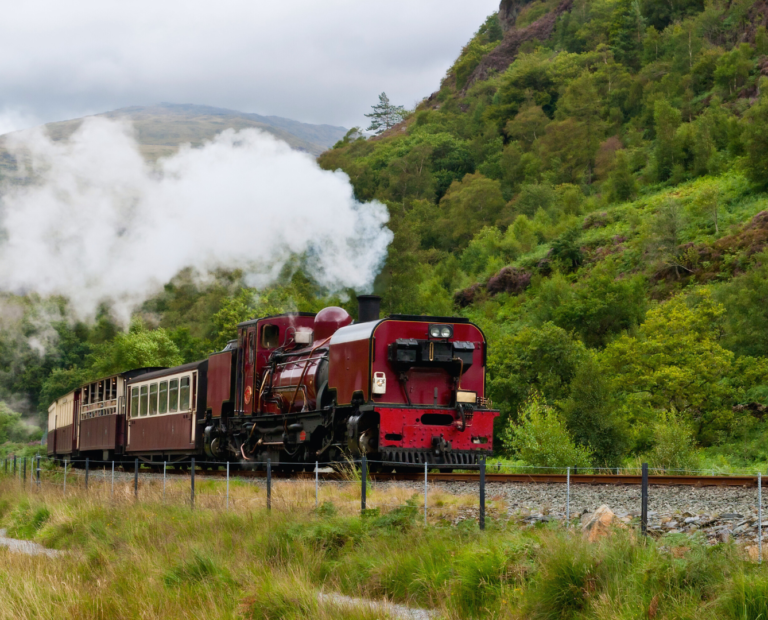
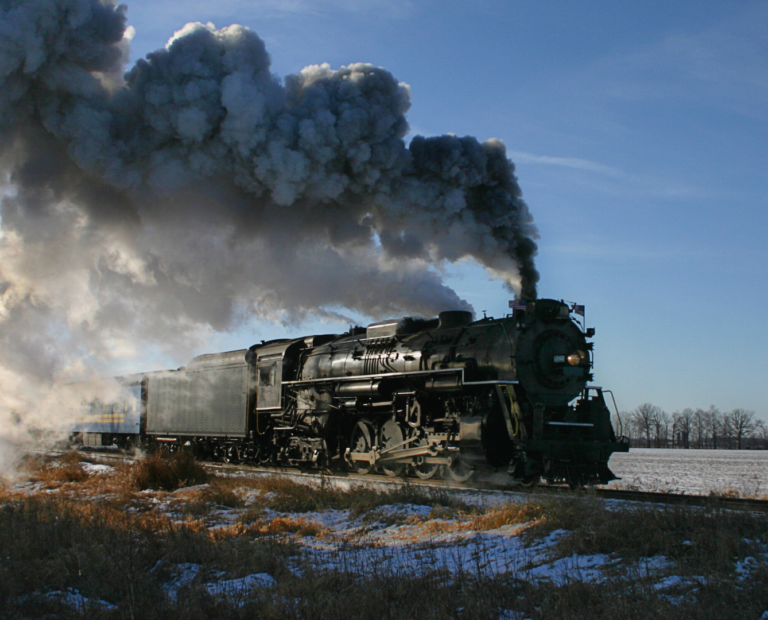
Placing the train along these lines or at their intersections can yield a more balanced and engaging image. For example, when photographing a steam train, position the locomotive slightly off-centre. This technique draws the viewer’s eye and creates a sense of motion or direction.
Utilising leading lines, such as railway tracks, can also enhance the composition. Lines that converge towards the train help guide the viewer’s gaze directly to the subject.
Capturing Motion Blur with Steam Trains
Motion blur effectively conveys the speed and power of steam trains. To capture this effect, photographers should use a slower shutter speed, usually between 1/15 and 1/60 of a second.
Timing is crucial; the best results occur when the train is in motion and filling the frame. Photographers can pan the camera in the direction of the train’s movement to maintain focus on the subject while allowing the background to blur.
Low light conditions amplify this effect, making it vital to regulate the ISO to avoid excessive noise. Additionally, a tripod may be necessary to ensure stability during the longer exposures.
Framing and Perspective on Railway Lines
Framing the train against its surroundings can enhance the visual impact. Photographers should consider unique angles, such as crouching low to the ground or shooting from an elevated position.
These perspectives can reveal the train against distant landscapes or cityscapes, adding depth to the image. Using natural elements, like trees or bridges, as framing devices helps create a sense of context.
Incorporating reflections from nearby water bodies or glass surfaces can bring added interest. Overall, thoughtful framing ensures the train is the focal point while also celebrating its environment.
The World of Railway Heritage and Preservation
Railway heritage and preservation efforts play a crucial role in keeping the history of railroads alive. These initiatives not only celebrate steam locomotives and vintage trains but also promote the art of railway photography. Capturing these elements contributes to a deeper appreciation of the railway’s significant past.
Cherishing the Severn Valley Railway
The Severn Valley Railway (SVR) is a renowned heritage railway in the United Kingdom, known for its picturesque route along the River Severn. It operates a selection of steam locomotives, inviting railway enthusiasts and photographers alike to witness its charm.
Visitors can explore the historical stations, which remain faithful to their original designs. Special events throughout the year allow for unique photographic opportunities, such as themed galas featuring various steam engines.
Photographers can capture striking images during twilight or night events, highlighting the illuminated trains against a scenic backdrop. The preservation of SVR not only honours its heritage but also fosters community involvement in railway history.
Spotlight on Heritage Railways
Heritage railways, including the SVR, have emerged as vital contributors to preserving railway history. These railways maintain old locomotives and carriages that would otherwise remain forgotten.
Many heritage railways offer rides on vintage trains, allowing visitors to experience the golden age of rail travel. Regular events showcase steam locomotives, giving railway photographers chances to capture action shots against historical backdrops.
Preservation societies guide maintenance efforts, ensuring that these railways honour their past while adapting for future generations. This dedication helps keep the history of rail transport accessible to all.
Respecting Railroad History in Your Shots
When photographing railway heritage, it is essential to respect the history and cultural significance of the subjects. Photographers should seek to capture the essence of the trains and locomotives while being mindful of their surroundings.
Using historical context can enhance the storytelling aspect of the photographs. A shot of a steam locomotive passing an old station creates a narrative that connects viewers to the railway’s rich past.
Photographers should avoid obstructing railway operations and respect any rules set by preservation societies. By understanding the importance of their work, photographers can contribute positively to railway heritage while documenting its legacy.