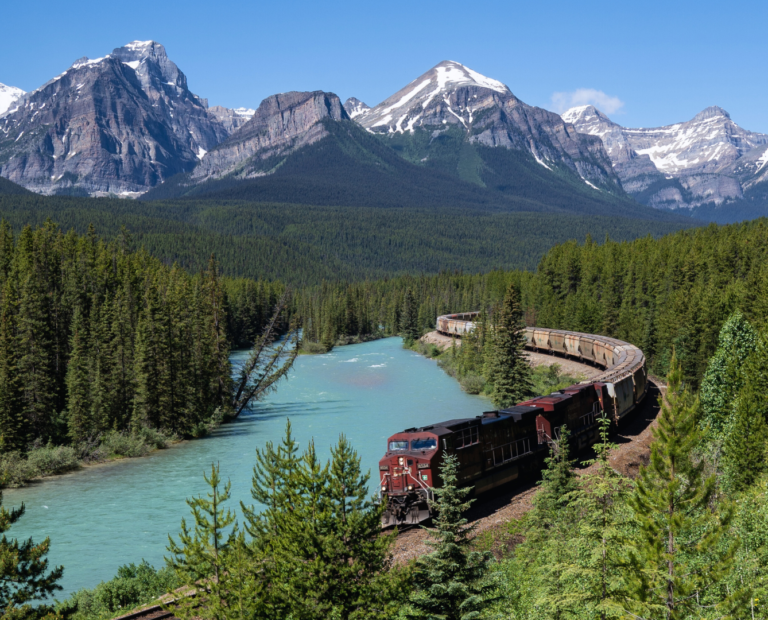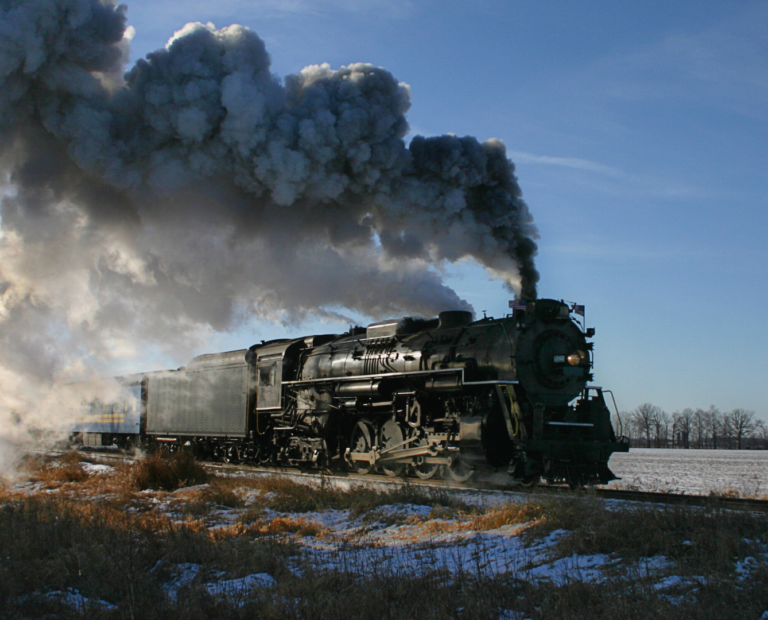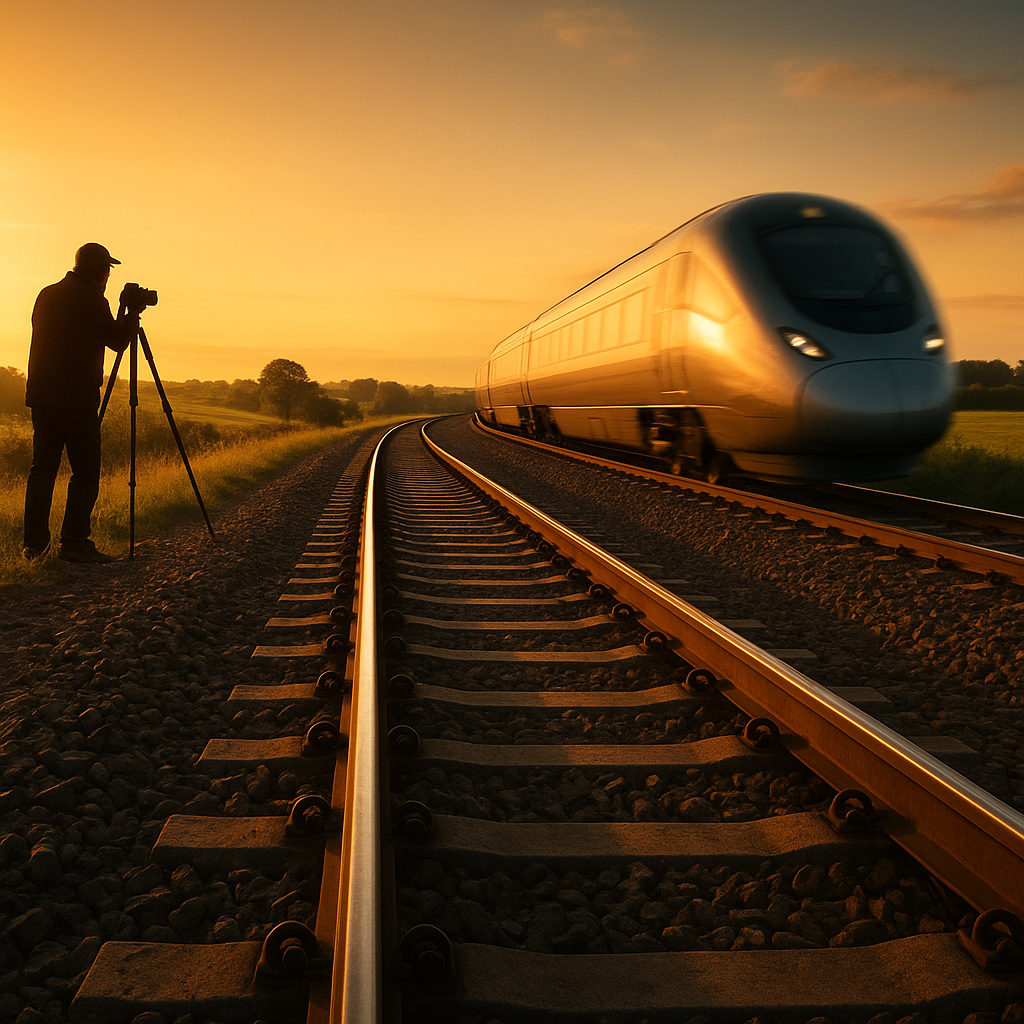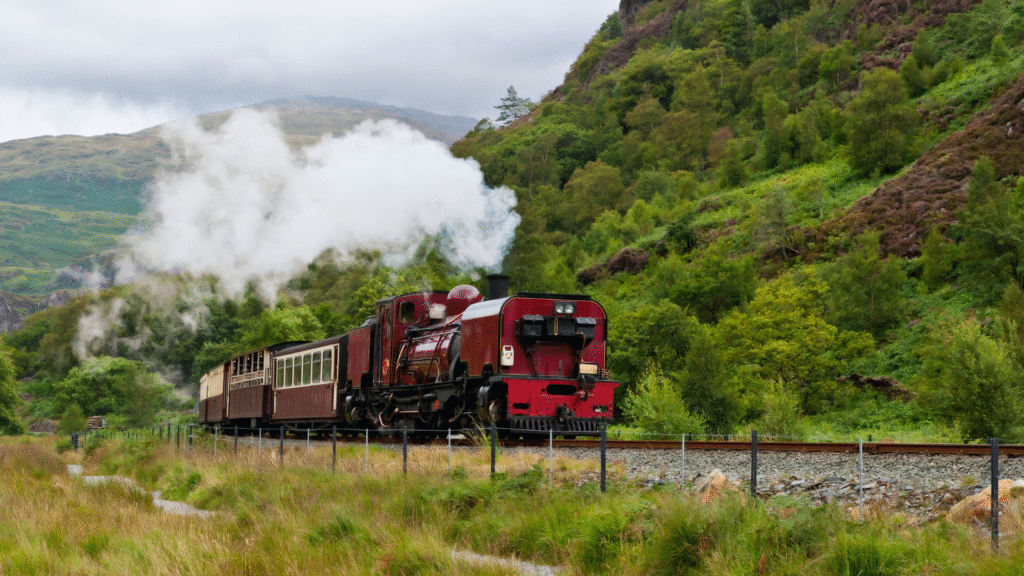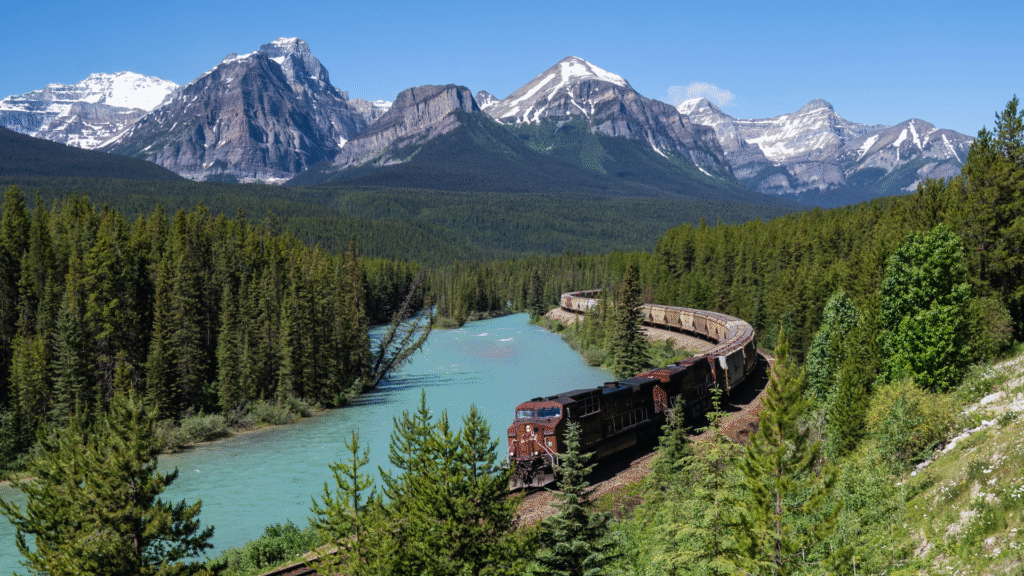

Capturing the rapid movement of trains can be a thrilling yet challenging endeavour for photographers. To successfully photograph fast-moving trains, one must focus on a combination of the right camera settings, suitable locations, and timing. Understanding these elements ensures striking images that convey the speed and dynamism of trains.
A steady hand is crucial, but so is the choice of equipment. High shutter speeds, continuous shooting modes, and tracking autofocus can significantly improve the chances of capturing a clear shot. Selecting the right vantage point, such as curves in the track or elevated platforms, can further enhance the composition.
With the right preparation and techniques, anyone can create impressive train photography. By honing skills and planning effectively, capturing the energy of a train as it races by becomes an achievable goal.
Understanding the Basics of Train Photography
Train photography requires a solid grasp of both exposure and compositional techniques to effectively capture fast-moving subjects. Key camera settings such as shutter speed, aperture, and ISO play a crucial role in achieving sharp, well-exposed images.
Shutter Speed and Motion
In fast-moving train photography, shutter speed is paramount. A speed of at least 1/500 seconds is often recommended to freeze motion effectively. For artistic blurred effects, slower speeds like 1/250-1/125 seconds can be used, capturing a sense of speed while keeping the train identifiable.
A tripod or stabiliser can aid in maintaining steady shots when utilising slower shutter speeds. To achieve optimal results, photographers often adjust their settings based on the train’s speed and distance. The goal is to balance motion blur and clarity for dynamic imagery.
Aperture and Depth of Field
Aperture affects both exposure and depth of field in train photography. A wider aperture (e.g., f/2.8 to f/4) allows more light, perfect for low-light conditions but yields a shallower depth of field. This can isolate the train from its background, highlighting its details.
Conversely, a narrower aperture (e.g., f/8 to f/11) increases the depth of field, capturing more of the surrounding environment. This setting is useful when the composition includes elements like tracks, signals, or landscapes. Careful aperture selection enhances both the technical and artistic qualities of the shot.
ISO and Noise Management
ISO settings significantly influence image quality, especially in varying lighting conditions. Lower ISO values (e.g., 100-400) produce less noise, which is ideal for bright conditions. However, when shooting in dim light or at sunset, increasing the ISO (e.g., 800-1600) may be necessary to ensure proper exposure.
It’s essential to balance ISO with shutter speed and aperture to maintain image quality. High ISO can introduce noise, affecting image clarity. Modern cameras often handle higher ISO values well, but achieving optimal settings helps in reducing post-processing efforts.
Camera Settings for Capturing High-Speed Trains
When photographing fast-moving trains, specific camera settings play a crucial role in capturing sharp and dynamic images. The following points address essential settings that enhance image quality and ensure that the motion of high-speed trains is effectively represented.
Shutter Priority Mode
Using Shutter Priority Mode (also known as TV on Canon cameras or S on Nikon) is vital for capturing fast-moving trains. This setting allows the photographer to determine the shutter speed while the camera automatically adjusts the aperture for optimal exposure.
A shutter speed of 1/1000 seconds or faster is generally recommended to freeze the motion of a speeding train. This minimises motion blur and captures details, such as the train’s exterior and elements of its surroundings.
Photographers can test various shutter speeds to understand how they affect image sharpness, especially at different distances. Taking multiple shots at varied settings can yield the best results.
Adjusting ISO for Lighting Conditions
ISO settings significantly influence the camera’s sensitivity to light, which is crucial when photographing trains in various lighting situations. A lower ISO (100-400) is ideal in bright daylight, helping to maintain image quality and reduce graininess.
In lower light conditions, such as during dawn or dusk, increasing the ISO to 800 or higher may be necessary. This adjustment allows for faster shutter speeds, essential for capturing moving subjects without blur.
It’s important to strike a balance; excessively high ISO can lead to noise, which detracts from the image quality. Adjust ISO thoughtfully based on ambient light levels and desired motion effect.
Focus and Stability
Achieving sharp focus is critical when photographing high-speed trains. Continuous autofocus (AI Servo on Canon, AF-C on Nikon) is recommended, as it allows the camera to adjust focus on a moving subject. This setting ensures the train remains in focus throughout its motion.
Stability can be improved through techniques such as bracing against a solid object or using a tripod. A monopod may also provide adequate support while allowing for mobility.
Additionally, employing a faster shutter speed aids in reducing motion blur from both the train and the photographer’s hand. Utilising image stabilisation features, if available, contributes further to maintaining image clarity.
Composition Techniques for Dynamic Train Shots
Effective composition is essential for capturing fast-moving trains. Thoughtful framing and the use of surroundings can enhance the dynamism of train photography. Below are techniques to elevate the visual impact of train images.
Framing with Train Tracks
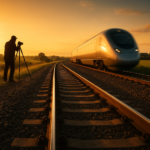
Using train tracks as leading lines is a powerful composition technique. The converging lines naturally draw the viewer’s eye towards the train, creating a sense of motion and depth. Photographers should consider the angle from which they shoot; a low angle can emphasise the train’s speed and power.
A wide-angle lens offers the ability to include more of the track in the frame, enhancing the perspective. When positioning the camera, it’s crucial to ensure the tracks extend diagonally across the frame, guiding the viewer’s gaze. This technique not only captures the train but also conveys the journey.
Incorporating Train Stations
Train stations provide rich opportunities for dynamic shots. They offer architectural elements that can complement the movement of the train. Capturing the train as it departs or arrives creates a narrative moment.
Positioning near platforms allows for unique angles. Vertical elements such as columns or signage can frame the train effectively. Using a slightly elevated position may help capture both the train and the bustling environment of the station, adding context to the speed and energy of the scene.
Using Reflections Creatively
Reflections can add a compelling layer to train photographs. They allow photographers to introduce symmetry and complexity in their shots. Glass surfaces at train stations or nearby buildings often create interesting reflective opportunities.
To capture these reflections, one should be mindful of the light conditions. Early morning or late afternoon light enhances colours, enriching the image. Experimenting with angles will help find the ideal balance between the train and its reflection, creating a striking visual effect. Using a wide-angle lens can further amplify this dynamic, blending reality with reflection for an eye-catching composition.