
Steam trains represent a pivotal chapter in the history of transportation, significantly shaping the industrial landscape of the 19th and early 20th centuries. Their legacy lies in the profound impact they had on society, economics, and the development of infrastructure, leading to greater connectivity between regions. These iron giants not only revolutionised travel but also played a crucial role in facilitating trade and commerce, making distant markets accessible.
The influence of steam locomotion extends beyond practical transport; it spurred technological advancements and inspired cultural phenomena. Artists, writers, and filmmakers have often drawn upon the romance and power of steam railways, embedding them in the collective imagination. As one explores this legacy, the stories and innovations associated with steam trains illuminate their enduring place in modern history.
Today, steam trains serve as a reminder of human ingenuity and the transformative power of technology. Many heritage railways continue to operate, captivating new generations and preserving the craftsmanship of an era when steam dominated the tracks. The excitement surrounding these vintage machines reveals a deep-seated appreciation for a time when travel was an adventure in itself.
The Inception and Technological Evolution of Steam Locomotives
The development of steam locomotives marked a significant period in the history of transport, characterised by groundbreaking inventions and remarkable advancements in engineering. Several key figures contributed to the evolution of steam technology, alongside notable achievements that shaped its legacy.
Pioneering Figures and Inventions
George Stephenson is often credited as the father of railways. His work on steam locomotives began in the early 19th century, notably with the construction of Locomotion No. 1 in 1825, which was pivotal in the success of the Stockton and Darlington Railway.
Richard Trevithick also played a crucial role, inventing the high-pressure steam engine and demonstrating it in the early 1800s. His locomotive, Penydarren, ran successfully in 1804, showcasing the potential of steam for traction. Additionally, Matthew Murray developed the ** Salamanca**, which introduced rotary motion, enhancing efficiency.
Steam Engine Development
The advancements in steam engine technology are highlighted by the progress from low-pressure to high-pressure systems. James Watt improved steam engines significantly in the late 18th century, introducing a separate condenser that greatly increased efficiency. This innovation set the groundwork for future developments.
The Rainhill Trials of 1829 were a critical event for demonstrating steam locomotive capabilities. Stephenson’s The Rocket won the trials, illustrating superior design and performance. Success in these trials helped solidify steam locomotive design principles that would dominate rail transport for decades, leading to widespread adoption and extensive railway systems.
Impact of Steam Trains on Society and Industry
Steam trains played a pivotal role in transforming society and industry, driving significant changes during the Industrial Revolution and contributing to cultural shifts. They enabled faster transportation of goods and people, facilitating economic growth and fostering national pride.
Industrial Revolution and Economic Transformation
The advent of steam trains marked a significant milestone in the Industrial Revolution. They enabled the rapid movement of raw materials, such as coal, to factories, which in turn enhanced manufacturing productivity. Key figures like George Stephenson, known as the “Father of Railways,” spearheaded advancements that made rail travel viable.
This transformation not only boosted trade but also stimulated industrialisation across various sectors. Transportation costs decreased sharply, making a wide array of goods more accessible. As railroads expanded, they spurred economic growth in rural areas by connecting agricultural products directly to markets.
The Golden Age of Steam and Its Cultural Significance
The Golden Age of Steam, roughly from the early 19th century to the early 20th century, held significant cultural value. Steam trains became symbols of progress and innovation, often celebrated in literature and art.
People embraced trains as a means of leisure travel, fostering a new culture of tourism. Iconic steam journeys offered breathtaking views, promoting national pride. Furthermore, the widespread adoption of railways facilitated the exchange of ideas and cultural practices, transforming social interactions.
Steam trains were not just vehicles; they represented a new era of connectivity, shaping lifestyles and economies.
Preservation and Continued Influence
The preservation of steam trains is a vital aspect of maintaining historical heritage and cultural identity. Efforts focus on restoring these iconic machines and promoting them through various avenues, such as tourism and education.
Heritage Railways and Tourism
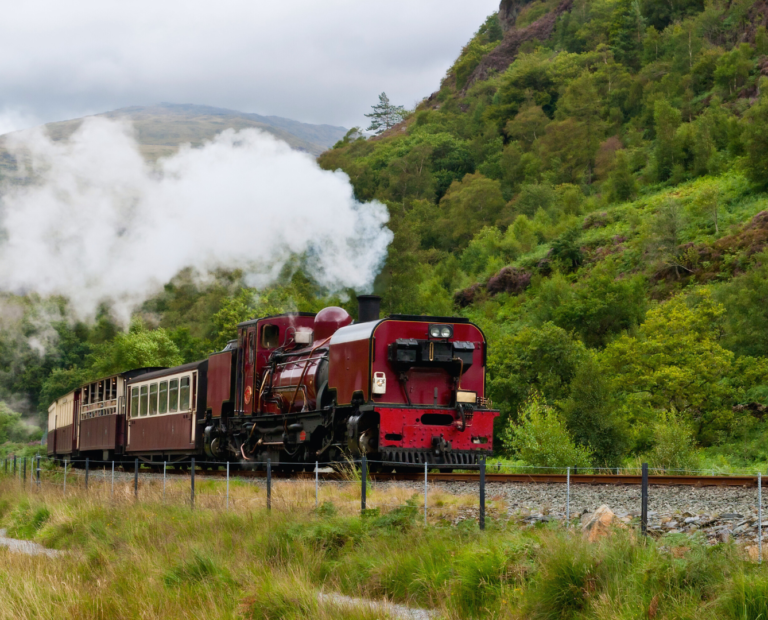
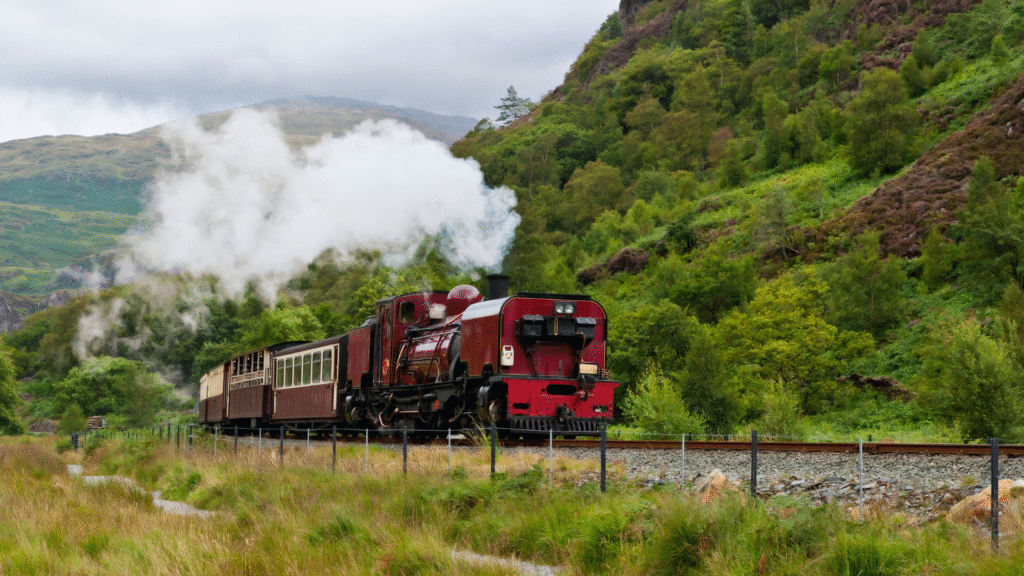
Heritage railways play a significant role in preserving steam train history. These railways, such as the Bluebell Railway, operate historical steam locomotives, allowing visitors to experience travel reminiscent of a bygone era.
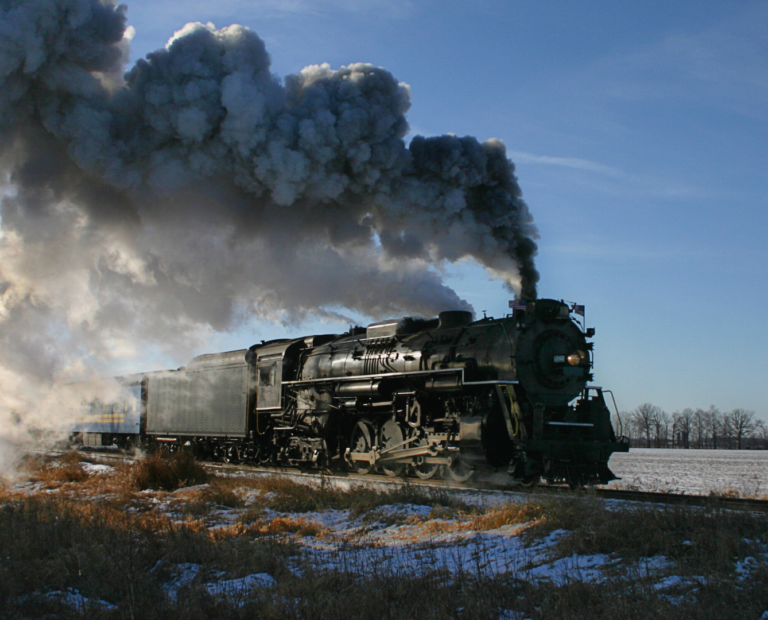
Tourist attractions centred around steam trains draw in crowds keen to witness iconic machines like The Flying Scotsman and Mallard. Preservation societies work diligently to maintain these trains, hold events, and offer rides, fostering appreciation for railway history.
Visitors often engage in interactive experiences, learning about the mechanics and history of these machines. This not only preserves the locomotives but also stimulates local economies through tourism.
Educational Value and Technological Appreciation
Steam trains serve as educational tools, highlighting advancements in engineering and transport. Preservation societies often collaborate with schools, offering workshops and exhibits that showcase the Steam Age’s technological achievements.
The operational preservation of trains like The Flying Scotsman allows enthusiasts to study steam technology in action. Events featuring workshops on maintenance and operation enrich public knowledge and foster interest in engineering careers.
Moreover, historical machines are integral to understanding the evolution of transport and the industrial revolution. Engaging with these preserved trains instils a sense of appreciation for historical engineering practices.