Exhibitions play a crucial role in preserving railway heritage by showcasing historical artefacts, documents, and restored locomotives that tell the story of rail transport’s development. They provide a physical space where the public can engage with the past and understand the impact of railways on society and industry.
By maintaining and displaying these collections, exhibitions ensure that railway history is not forgotten but actively studied and appreciated by future generations. They create opportunities for education and research, allowing experts and enthusiasts to share knowledge and keep traditions alive.
These events also bring communities together, connecting those who work in the railway sector with those passionate about its legacy. Through dynamic displays and programmes, exhibitions make railway heritage accessible and relevant to a wide audience.
The Vital Role of Exhibitions in Preserving Railway Heritage
Exhibitions create spaces where tangible and documentary railway heritage meets public engagement and education. They capture detailed historical knowledge and connect visitors with the industrial innovations and social impacts of railways.
How Railway Exhibitions Safeguard Historical Knowledge
Railway exhibitions collect and preserve physical artefacts like locomotives, carriages, signs, and tools. These objects provide direct links to specific eras, technologies, and operations in railway history.
Exhibition curators document stories behind the artefacts, including engineering breakthroughs and worker experiences. This documentation helps maintain accurate records that might otherwise be lost over time.
Digital archives and interactive displays in exhibitions further protect railway heritage by allowing detailed exploration of records without damaging originals. This approach safeguards fragile historical data for future generations.
Educating the Public About Railway History
Railway exhibitions offer educational programmes that explain technical and social developments in rail transport. This education includes how railways shaped economic growth and urban development.
Displays often include models, timelines, and multimedia presentations to make complex railway history accessible. These tools help visitors understand the evolution of railway technology and the role of railways in industrial heritage.
Guided tours and workshops deepen knowledge by connecting railway artefacts to historical contexts, encouraging practical learning about steam engines, signalling systems, and track construction.
Promoting Appreciation for Industrial Heritage
By showcasing railway artefacts and stories, exhibitions highlight the importance of industrial heritage in national and local identity. Visitors gain insight into the craftsmanship and innovation behind railway construction and operation.
Exhibitions foster respect for the railway workers and engineers who contributed to industrial progress. Emphasising the social impact helps communities value their historical rail connections.
Events such as restoration projects and heritage train rides linked to exhibitions serve to actively involve the public. This encourages ongoing support for preserving railway heritage beyond the exhibition itself.
Showcasing Iconic Locomotives and Artefacts
Exhibitions play a crucial role in preserving and presenting significant railway machinery and objects. They highlight advances in technology and craftsmanship, providing tangible connections to railway history. Each display is carefully selected to represent key developments and milestones.
Restoration and Display of Steam Engines
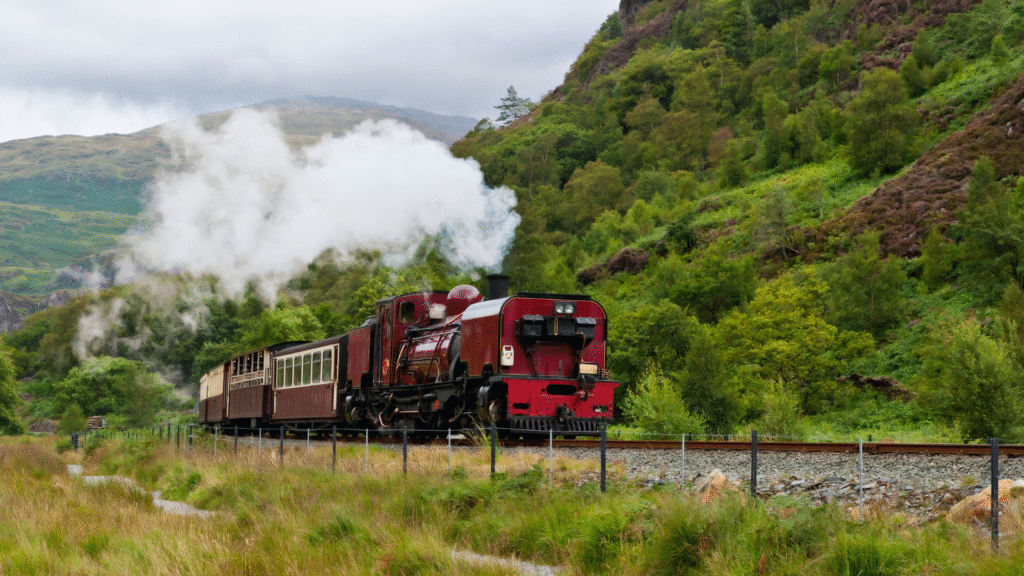
Steam engines require detailed restoration to return them to a displayable condition. This process involves mechanical repairs, cleaning, and often fabricating missing parts based on original designs. Many exhibitions feature operational steam locomotives, offering visitors dynamic insights.
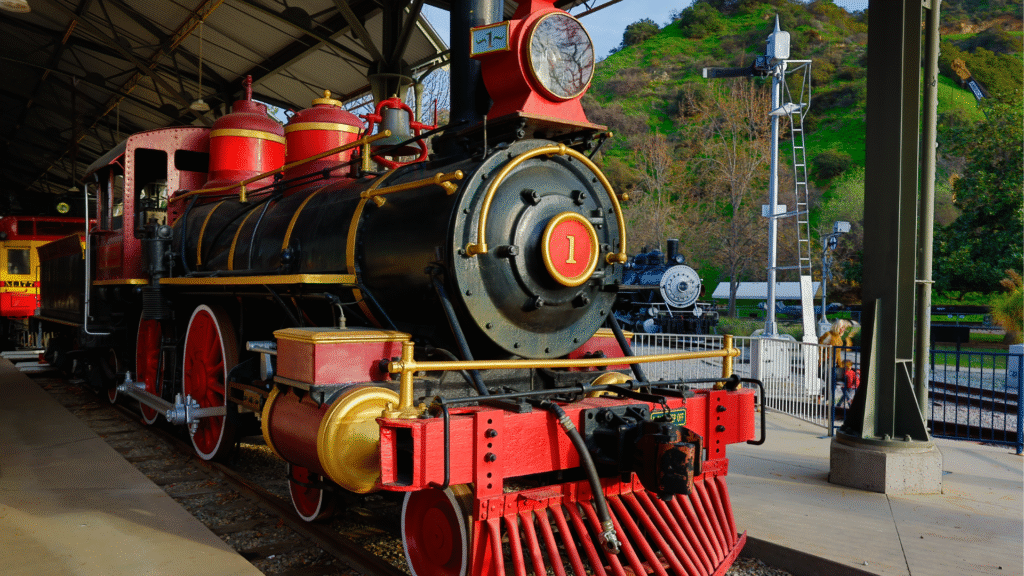
Displays often include interpretative panels explaining the work involved in restoration. Machines are presented not just as static artefacts but as engineering achievements, reflecting industrial heritage. Special attention is given to preserving visible elements such as boilers and wheels.
Significance of the Flying Scotsman in Heritage Conservation
The Flying Scotsman is a central figure in railway heritage, symbolising innovation and endurance. Its preservation began in the 1960s, making it one of the first steam locomotives to attract major conservation efforts. The engine’s public appearances continue to draw interest and promote heritage awareness.
Its restoration involved intricate work on the boiler and valve gear, ensuring operation under modern safety standards. Exhibitions often feature the Flying Scotsman to illustrate advances in steam technology and the importance of maintenance in heritage conservation. It represents the broader challenges faced by railway preservation groups.
Curating Rolling Stock and Historical Carriages
Historical carriages are conserved alongside locomotives to present a complete picture of railway travel. Restoration focuses on both interior fittings and exterior structure, often using period-accurate materials and paint schemes. Exhibitions arrange carriages in contextual settings to simulate historic journeys.
Rolling stock is documented thoroughly, noting build dates, manufacturers, and service history. This record supports accurate interpretation and informs restoration choices. Artefacts like luggage racks, seating, and lighting fixtures are retained or recreated to enhance authenticity and visitor experience.
Exhibitions and Institutions Leading Preservation
Exhibitions play a crucial role in preserving railway heritage by showcasing important artefacts, educating the public, and fostering community engagement. Key institutions and events contribute significantly to maintaining railway history and making it accessible to future generations.
The National Railway Museum’s Impact
The National Railway Museum in York is a central figure in railway heritage preservation. It houses one of the largest collections of historic locomotives, carriages, and railway memorabilia in the UK.
This museum records and presents railway history in detailed exhibitions, ensuring accuracy and depth through expert curation. It also conserves rare items like the Mallard locomotive and Queen Victoria’s royal saloon, which are displayed alongside interactive information.
The museum’s archive supports research and education, providing historians and enthusiasts with valuable primary sources. Its role extends beyond display to active restoration and conservation projects, maintaining the physical condition of historic railway objects.
Interactive Events and Special Exhibitions
Special exhibitions at railway museums often focus on specific themes, such as the industrial revolution’s impact on railways or the evolution of signalling systems. These temporary exhibitions refresh visitor interest and highlight lesser-known aspects of railway history.
Interactive events, including steam days with operational locomotives or family workshops, engage audiences of all ages. These activities create hands-on experiences, allowing visitors to connect with railway heritage beyond static displays.
Exhibitions frequently use digital technology to enhance storytelling. Virtual tours, augmented reality, and multimedia presentations add depth and accessibility, especially for younger or remote audiences.
Community and Volunteer Contributions
Volunteers and local communities are vital to sustaining railway heritage exhibitions and institutions. They provide labour, expertise, and passionate advocacy that many museums rely upon to function effectively.
Community-led railway preservation groups often collaborate with major museums like the National Railway Museum to curate exhibits or manage heritage railways. Their involvement ensures historical knowledge remains grounded in lived experience.
Training programmes and volunteer-led restorations help develop skills and foster long-term interest in railway history. This grassroots participation supports both the practical and educational aspects of heritage preservation, strengthening the connection between institutions and the public.
Celebrating Railway Culture Through Art and Creative Interpretation
Railway heritage is vividly brought to life through various artistic expressions and cultural initiatives. These efforts highlight the historical importance of railways while encouraging community engagement and ongoing preservation.
The Importance of Railway Art and Posters
Railway art and posters serve as visual records of the evolving transport landscape. Classic posters, often created by noted artists, promoted travel destinations and showcased the railway’s role in connecting communities.
They capture the design trends and public sentiment of their times, making them valuable heritage artefacts. Modern exhibitions frequently feature these works to illustrate the cultural and commercial impact of railways.
Such art encourages awareness and appreciation of railway heritage beyond technical and historical facts. It reveals the emotional and social connections people have had with rail travel over decades.
Inspiring Preservation Through Cultural Programmes
Cultural programmes at exhibitions use theatre, workshops, and storytelling to deepen public interest in railway heritage. These activities make history accessible by connecting it with personal and community narratives.
They often include collaborations with local artists and historians, creating dynamic events that showcase railway traditions and innovations. This interaction fosters pride and motivates preservation efforts.
By turning railway history into engaging experiences, cultural programmes also attract younger audiences. This helps sustain long-term interest and support for maintaining historic rail assets and related sites.