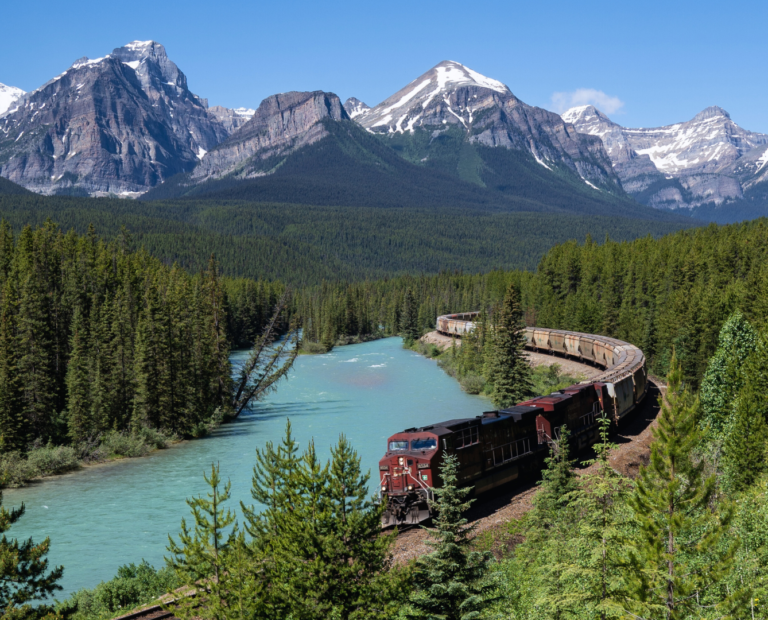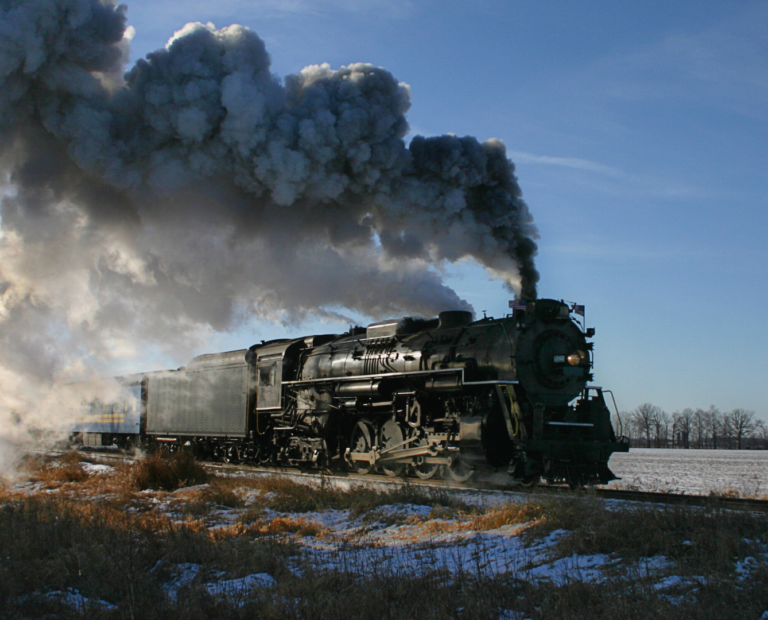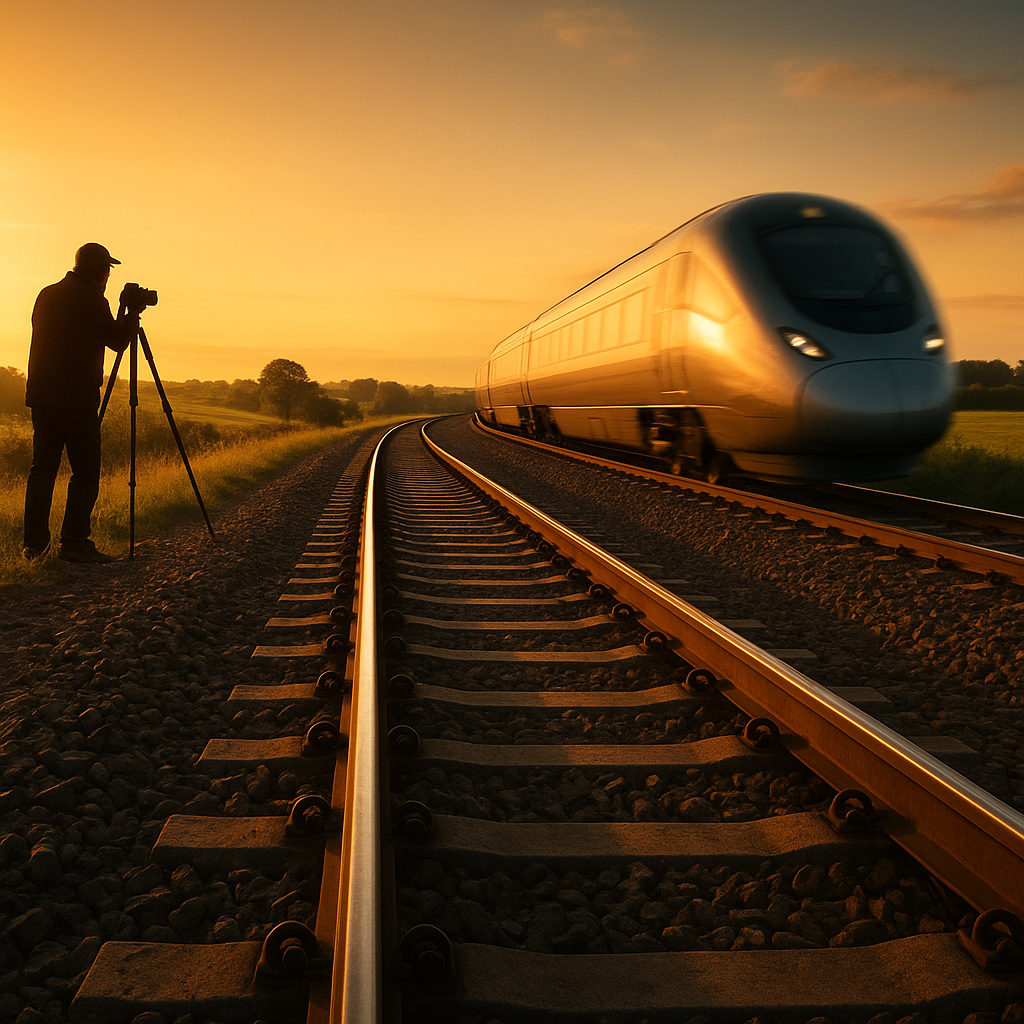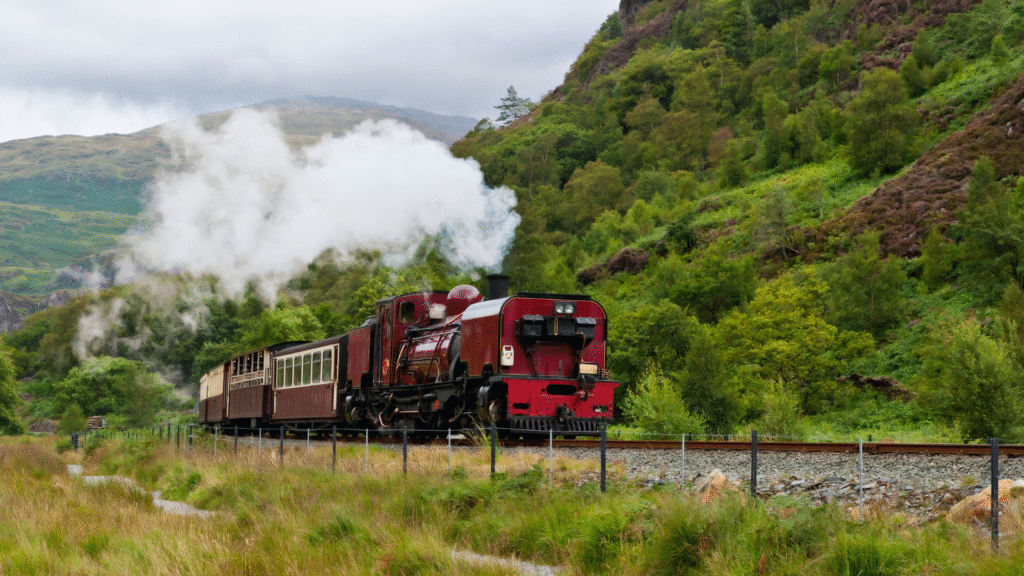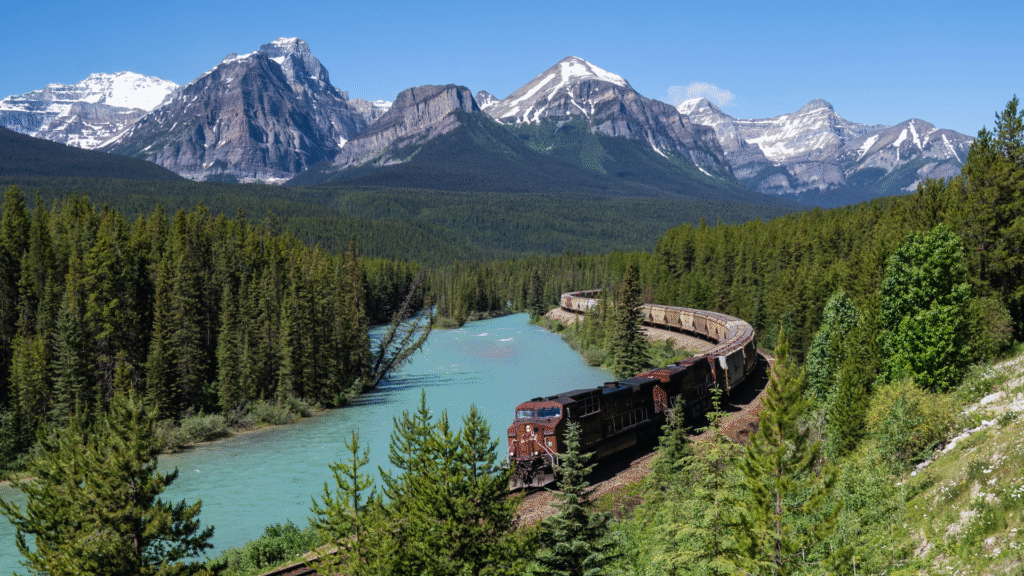

Art and photography inspired by trains capture the imagination and showcase the beauty of railways through various artistic lenses. Popular train art and photography exhibitions highlight the intricate designs of locomotives, the majesty of landscapes, and the stories woven into rail journeys. These exhibitions not only celebrate the history of trains but also evoke nostalgia and inspire creativity.
From traditional paintings that depict steam locomotives chugging through stunning scenery to contemporary photographic displays that focus on industrial aesthetics, train art offers a diverse range of expressions. Enthusiasts and casual visitors alike can appreciate the skill and passion of artists who interpret the rail journey in unique ways.
Such exhibitions often serve as a reminder of the cultural impact trains have had on society, connecting communities and influencing the arts for generations. Viewing these works can deepen one’s appreciation for both the artistry involved and the significance of trains in shaping modern life.
The Aesthetics of Train Art
Train art captivates viewers through its unique blend of beauty and industrial design. The interplay between structure and nature, as well as historical significance, enhances its aesthetic appeal. This section discusses the evolution of railroad photography, the role of contemporary media in railroad art, and the portrayal of steam locomotives in visual arts.
Evolution of Railroad Photography
Railroad photography began in the 19th century, capturing the grandeur of steam power and the burgeoning railway network. Early photographers like Timothy H. O’Sullivan showcased trains against dramatic landscapes, emphasising their monumental scale and engineering marvels.
The use of black and white film allowed photographers to play with contrasts, highlighting textures and forms.
As colour photography emerged, it brought a new layer of realism, enabling artists to portray the vibrant hues of locomotives and natural surroundings.
Today, digital technology has transformed this art form, allowing for innovative approaches, such as drone photography, which provides perspectives previously unattainable.
Railroad Art in Contemporary Media
Contemporary railroad art spans various forms, including painting, sculpture, and digital installations. Artists draw inspiration from the aesthetic elements of trains, like their sleek lines and powerful presence, translating these into diverse artistic expressions.
Street art, particularly murals on train cars, has become a prominent medium, reflecting local culture while transforming railways into moving canvases.
Digital platforms have further democratized railroad art, allowing artists to reach a broader audience through online galleries and social media.
This accessibility fosters a vibrant community where the beauty of trains is celebrated and shared.
Steam Locomotives in Visual Arts
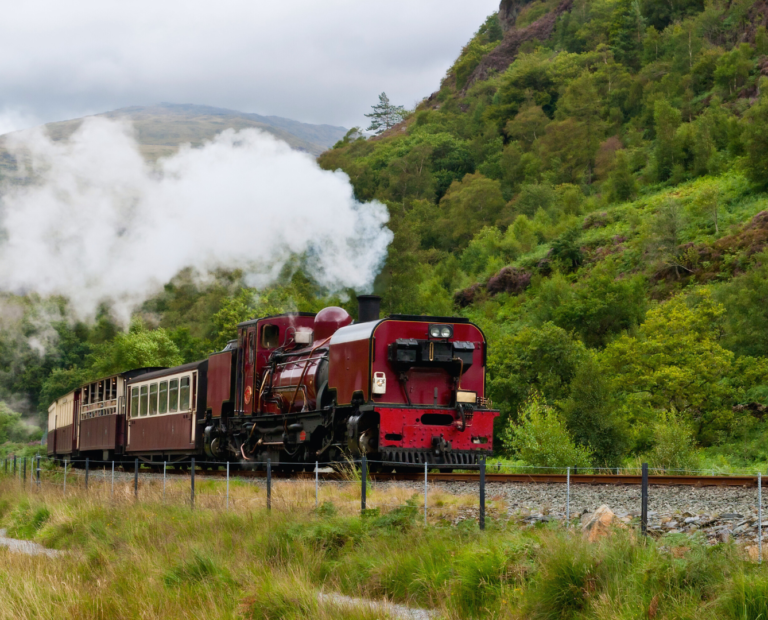
Steam locomotives represent a powerful symbol within visual arts, often evoking nostalgia and reflecting the Industrial Age’s significance. Artists frequently highlight the intricate details of steam engines, showcasing their mechanical beauty.
In paintings, steam locomotives often occupy central positions, surrounded by landscapes that enhance their dramatic effect.
Popular works often depict the interaction between trains and nature, illustrating themes of progress and harmony with the environment.
Sculptural representations, whether in metal or wood, capture both the elegance and sheer mass of these machines, offering a tactile connection to their historical context.
Iconic Train Art and Photography Exhibitions
Train art and photography have evolved into captivating forms of expression, showcasing the significant impact of railways on culture and society. Numerous exhibitions have celebrated this theme, offering unique perspectives and representations.
Summer Showcase at Somerset House
The Summer Showcase at Somerset House features a diverse range of contemporary works inspired by the theme of trains and travel. This exhibition highlights the relationship between mobility and creativity, with many artists using trains as metaphors for connection and exploration.
Visitors can expect a blend of photography, painting, and mixed media. Each piece reflects individual experiences related to journeys taken by rail. The vibrant atmosphere of Somerset House further enhances this experience, making it a noteworthy destination for art lovers during the summer months.
The Railway Influence at Tate Modern
The Railway Influence exhibition at Tate Modern delves into how rail transport has shaped artistic expression. This extensive collection includes works from renowned artists who have captured the essence and power of trains throughout different eras.
Key pieces feature industrialism’s impact on landscapes and society. The juxtaposition of modern and historical works offers insights into how trains have not only transformed travel but also inspired a variety of creative narratives. Tate Modern’s interactive installations provide engaging ways for audiences to reflect on the themes presented.
Steam Era Impressions at the Saatchi Gallery
The Saatchi Gallery presents Steam Era Impressions, an exhibition that focuses on the romanticism associated with steam trains. This collection showcases photographs and artworks that highlight the majestic presence of steam locomotives in the late 19th and early 20th centuries.
Photographers capture not just the grandeur of these machines but also the cultural shifts they precipitated. Through vibrant imagery and innovative layouts, this exhibition invites visitors to appreciate the narrative power of steam trains in shaping industrial landscapes.
Locomotion Reflections at the National Portrait Gallery
Locomotion Reflections at the National Portrait Gallery examines the human stories intertwined with train journeys. This exhibition features portraits of key figures in rail history, along with images of everyday travellers.
Each piece tells a story that connects the viewer with the personal experiences of those who relied on trains for travel and work. The National Portrait Gallery’s thoughtful curation allows attendees to explore the intersection of portraiture and transport, making it an essential visit for train enthusiasts and art lovers alike.
Exploring American Railroad Heritage
Railroads have played a significant role in shaping American society and culture. Their impact can be seen in both historical narratives and artistic expressions, particularly through the lens of photography. Examining this heritage reveals the intricate relationship between the railways and the development of the nation.
Railroads in American History
Railroads emerged as a vital force in the 19th century, facilitating westward expansion and economic development. The Transcontinental Railroad, completed in 1869, connected the east and west coasts, transforming commerce and communication.
Key events, such as the Great Railroad Strike of 1877, highlight the social and economic tensions brought about by rapid industrialisation. Railroads were not only pivotal for transportation but also for the migration patterns that shaped demographics across the country.
The architectural beauty of train stations, like Union Station in Washington, D.C., reflects the grandeur of rail travel during its peak. The influence of railroads on American art, literature, and music is profound, making it a central theme in the exploration of American identity.
Documenting the Tracks through Time
Railroad photography captures the evolution of this critical industry. Notable photographers, such as O. Winston Link, employed innovative techniques to document steam locomotives and the communities they served. His work provides a nostalgic glimpse into the golden age of rail travel.
Exhibitions showcasing railway photography often highlight historic landmarks, train journeys, and the emotional connections people have with trains. Collectively, these images tell stories of adventure, work, and progress throughout American history.
In addition to photographs, various archives and museums offer a wealth of resources. These institutions serve as custodians of railway history, presenting artefacts such as old tickets, uniforms, and tools. Through both visual and physical documentation, the rich tapestry of American railroad heritage is preserved for future generations.
How to Experience and Interpret Train Artwork
Experiencing trained artwork requires understanding its cultural significance and knowing how to engage with the artwork effectively. Observers can enhance their appreciation by considering the historical context and applying practical tips during exhibitions.
Understanding the Context of Railroads in Art
Railroads have profoundly influenced various art forms, from photography to paintings. They symbolise progress, industry, and the vast reaches of human connection.
When viewing artwork related to trains, it is essential to recognise how different artists interpret these themes. For example:
- Photography often captures the action and dynamics of trains. Images can evoke feelings of nostalgia or exploration.
- Drawings and watercolours may focus on the aesthetic of trains or the surrounding landscapes, highlighting their integration into everyday life.
Attention to detail within these works reveals deeper societal narratives. Understanding the historical backdrop of rail transport can enrich the viewer’s experience.
Tips for Visiting Train Art Exhibitions
To make the most of train art exhibitions, visitors should consider a few strategies.
- Research the Exhibition: Before attending, find out what specific artworks will be displayed. This prepares the viewer for what to expect.
- Engage with the Artwork: Take time to examine each piece. Look for elements like colour, composition, and technique. Consider what emotions or thoughts each work evokes.
- Participate in Guided Tours: Many exhibitions offer tours led by knowledgeable curators. These can provide invaluable insights into the themes and history behind the artworks.
- Take Notes: If permitted, jot down thoughts or questions for later reflection. This can help deepen the understanding of personal reactions to the art.
By following these tips, visitors can appreciate the nuances of train artwork and gain a broader perspective on its significance in both art and history.