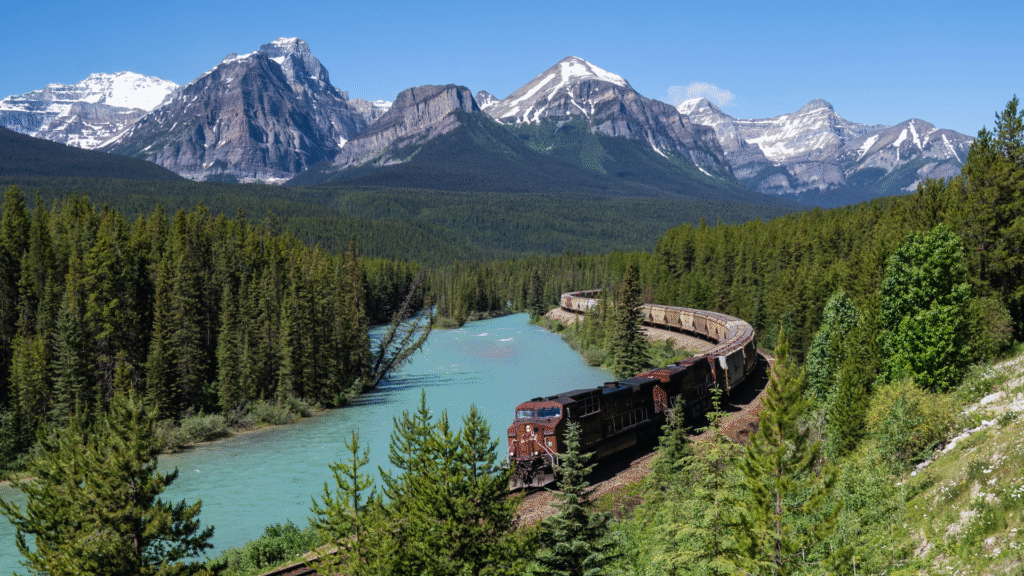
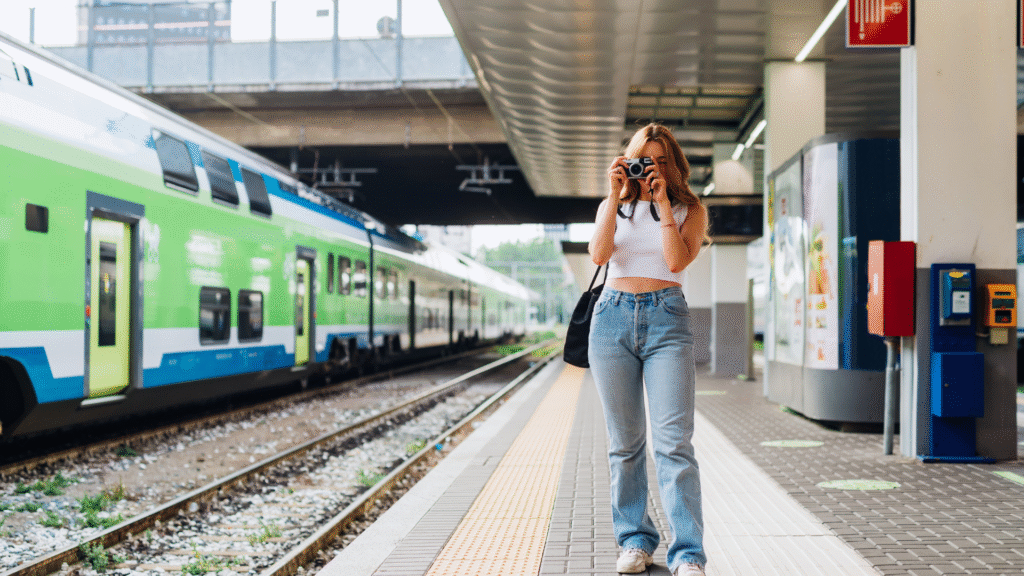
Photographing at active rail sites demands careful planning and strict adherence to safety rules. It is important to understand that these locations pose significant risks due to moving trains, electrical hazards, and restricted access areas. The key to photographing safely is to prioritise personal safety and legal compliance while respecting the operational environment.
Photographers should always seek permission from the relevant authorities before entering any active rail site. Wearing appropriate safety gear and staying aware of train schedules are essential steps to avoid accidents and interruptions.
By following these guidelines, photographers can capture unique images without compromising safety. Awareness and respect for the rail environment ensure a responsible and secure experience for everyone involved.
Staying Safe Around Active Rail Sites
Photographing at active rail sites requires strict adherence to safety protocols and legal requirements. Understanding risks, laws, and permissions ensures the photographer avoids danger and respects railway property.
Understanding Rail Safety Laws
Rail safety laws are designed to protect people near train tracks. Trespassing on railway property is illegal and can lead to fines or arrest. Photographers must stay off tracks and respect clearly marked boundaries.
Operation Lifesaver promotes awareness of these laws by educating the public on rail safety. Signs, barriers, and signals indicate areas where access is restricted for safety.
Violating rail safety laws not only endangers one’s life but also disrupts railway operations. Photographers should always maintain a safe distance and never attempt to cross tracks unlawfully.
Recognising Train Track Risks
Train tracks are hazardous locations with fast-moving trains that cannot stop quickly. Noise can be misleading, and trains might approach from either direction without warning.
Slip hazards, uneven surfaces, and electrical systems near tracks add to the dangers. Photography near these sites requires constant vigilance and readiness to move quickly.
Railway photography should take place only in authorised safe zones. Using binoculars or zoom lenses reduces the need to be close to tracks while capturing detailed images.
Legal Considerations and Permissions
Permission from railway authorities is essential before entering or photographing on active rail property. Many rail companies require advance notice or permits for access.
Unauthorised photography can lead to legal action, including fines or prosecution for trespassing. Respect for property rights prevents conflicts with railway operators.
Contacting local rail companies or using official channels like Operation Lifesaver helps acquire necessary permissions. Keeping proof of authorisation on hand while on site is advisable.
Essential Equipment and Technical Settings
Photographing at active rail sites demands careful selection of gear and precise technical adjustments. Proper equipment ensures stability and image quality, while settings like shutter speed, aperture, and ISO balance exposure and motion capture.
Choosing the Right Camera and Lenses
A camera with fast, accurate autofocus is crucial for capturing moving trains safely and sharply. DSLR or mirrorless cameras with continuous autofocus modes allow photographers to track motion effectively.
For lenses, a zoom range between 70-200mm is versatile, offering a good balance between reach and handling. A wide aperture (f/2.8 to f/4) helps in low light and isolates subjects against complex backgrounds.
Prime lenses with fixed focal lengths are sharper but less flexible in framing quickly changing scenes. Weather sealing is advisable due to the outdoor conditions commonly found at rail sites.
Using Tripods for Stability
Tripods improve image sharpness and safety by stabilising the camera, especially when using longer focal lengths requiring steady shots. Compact, lightweight tripods with quick setup mechanisms suit fast on-site positioning.
Adjustable heads, such as ball or pan-tilt heads, allow smooth tracking of trains without losing focus. Tripods also enable lower shutter speeds in low light without motion blur, reducing reliance on high ISO, which introduces noise.
However, tripods must be placed sensibly to avoid obstructing railway operations or posing hazards. Stable footing and locking mechanisms prevent accidental slippage on uneven rail-side terrain.
Mastering Exposure, Shutter Speed, and ISO
Shutter speed should be at least 1/1000 second to freeze fast-moving trains sharply. Slower speeds create motion blur, which can be artistic but risky if precise detail is needed.
A mid-range aperture (f/5.6 to f/8) maximises depth of field and sharpness across the train and background. Aperture control also influences exposure balance, especially in variable daylight.
ISO 800 is often the ceiling to maintain image clarity without excessive noise, particularly in shaded or early morning conditions. Adjusting ISO upwards requires compensating shutter speeds to avoid blur.
Using exposure compensation or manual mode helps control lighting accurately around reflective surfaces like train windows and metal tracks. Monitoring histogram data prevents under- or overexposure in challenging light.
Compositional Techniques for Rail Photography
Effective composition guides the viewer’s eye and highlights the dynamic elements of rail scenes. Focusing on balance, movement, and subject framing ensures strong images that convey the power and scale of locomotives.
Applying the Rule of Thirds
The rule of thirds divides the frame into nine equal parts using two horizontal and two vertical lines. Positioning the locomotive or key features along these lines or their intersections creates a balanced and engaging composition.
Photographers often place the moving train on one of the vertical lines to allow space for it to “move into” within the frame. This helps convey motion and direction clearly.
Using the horizon or tracks along the horizontal thirds adds stability without centralising the subject. This keeps the image dynamic while maintaining visual interest.
Creating Motion Blur Effectively
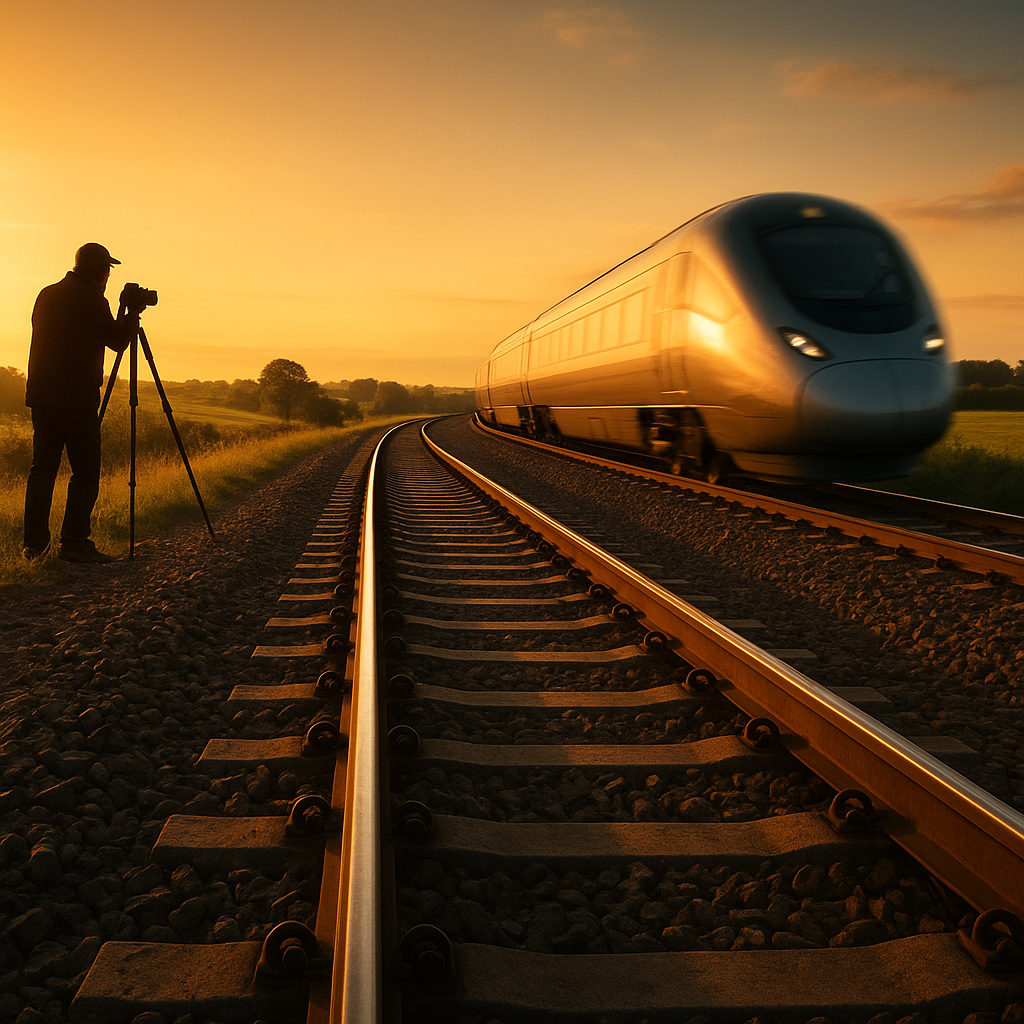
Motion blur shows speed and energy while emphasising the train’s movement. It requires a slower shutter speed, typically between 1/15 and 1/60 seconds, depending on train speed and lighting.
The camera should be panned smoothly to follow the train’s motion. This technique keeps the locomotive sharp while blurring the background, enhancing the sense of motion.
It is essential to use a tripod or stabiliser for accurate panning. Overblurring can obscure details, so settings must balance clarity and blur to maintain recognisable locomotive features.
Framing Locomotives and Scenes
Framing focuses attention and creates context around the subject. Photographers can use elements such as tunnels, bridges, or track curves to frame the locomotive naturally.
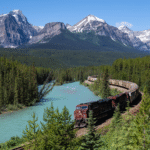
Close framing of details like wheels, buffers, or the cab conveys the robust mechanical nature of the train. Wide framing with environmental features situates the locomotive in a real-world setting.
Careful framing also helps exclude hazardous or distracting areas at active rail sites, ensuring safety and clarity in the final shot.
Special Considerations for Locomotive Subjects
Photographing locomotives involves understanding their unique characteristics and respecting their operational environments. Specific approaches are necessary depending on whether the subject is a historic steam locomotive or a modern train.
Photographing Steam Locomotives and Steam Railways
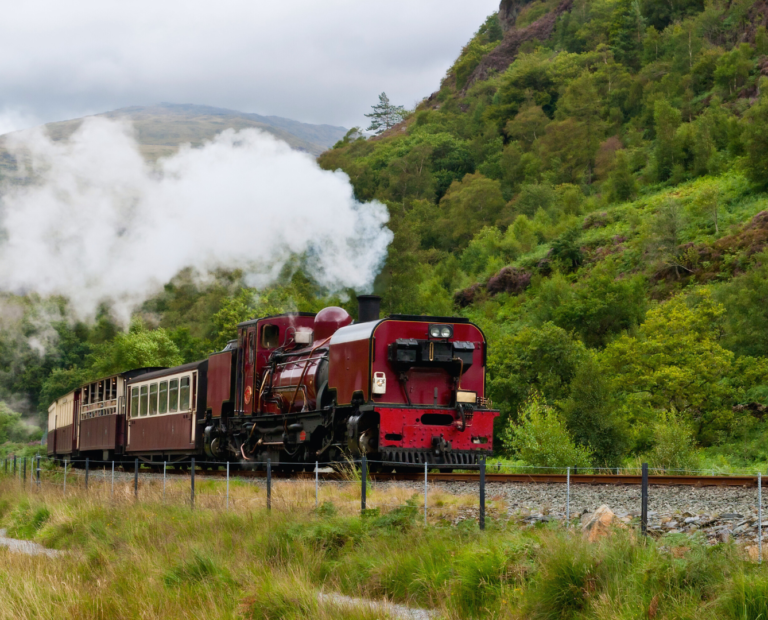
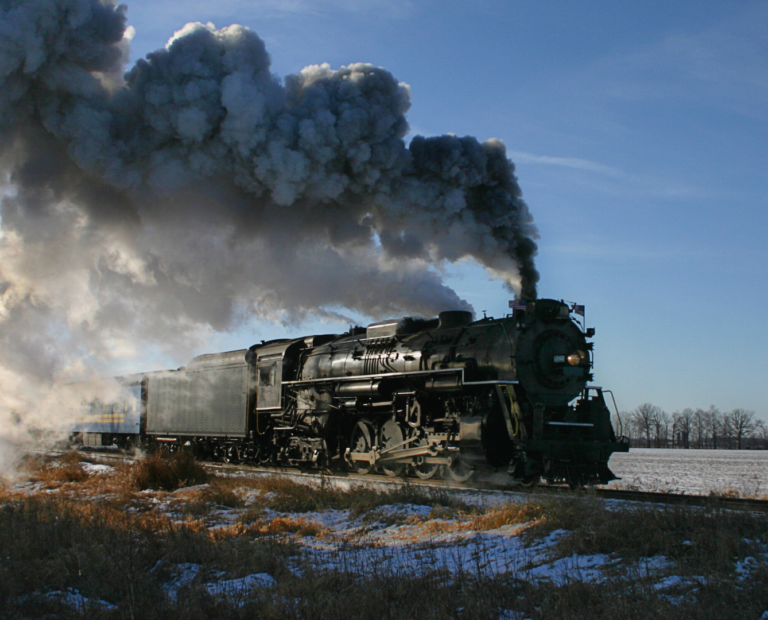
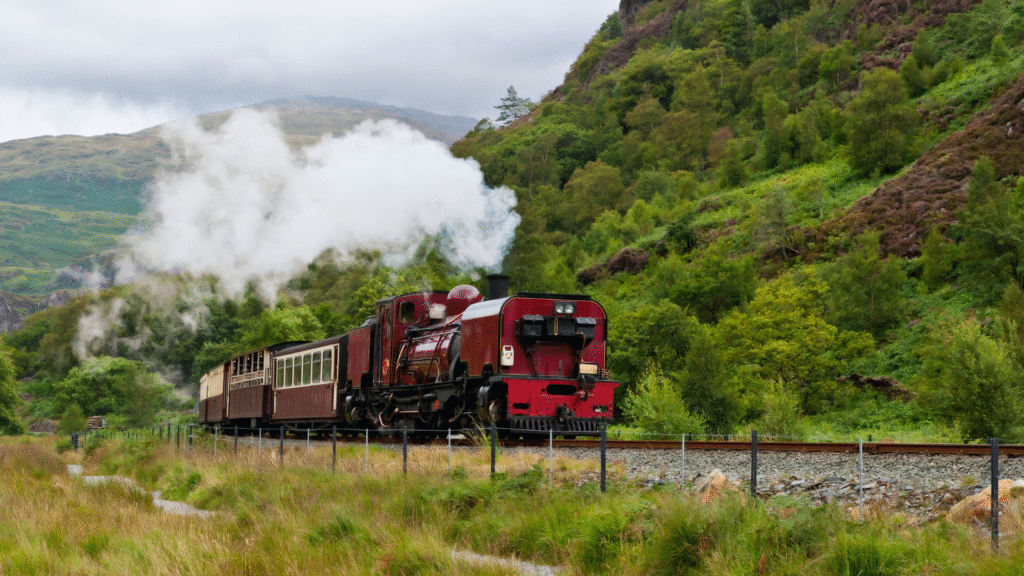
Steam locomotives produce significant steam and smoke, requiring photographers to account for changing light and obstructions. Positioning is essential; it is safer and more effective to shoot from designated viewing areas or alongside heritage railways where access is permitted.
Photographers should be mindful of steam blasts, which can cause sudden changes in visibility and potentially damage equipment if approached too closely. The movement and sound offer dynamic opportunities, but safety distances must be maintained.
Using fast shutter speeds helps capture details like valve gear and coal firing. Platforms like railpictures.net often provide reference images to understand common poses and angles for steam railway equipment.
Capturing Modern Trains and Rail Infrastructure
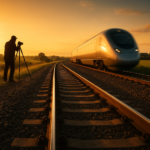
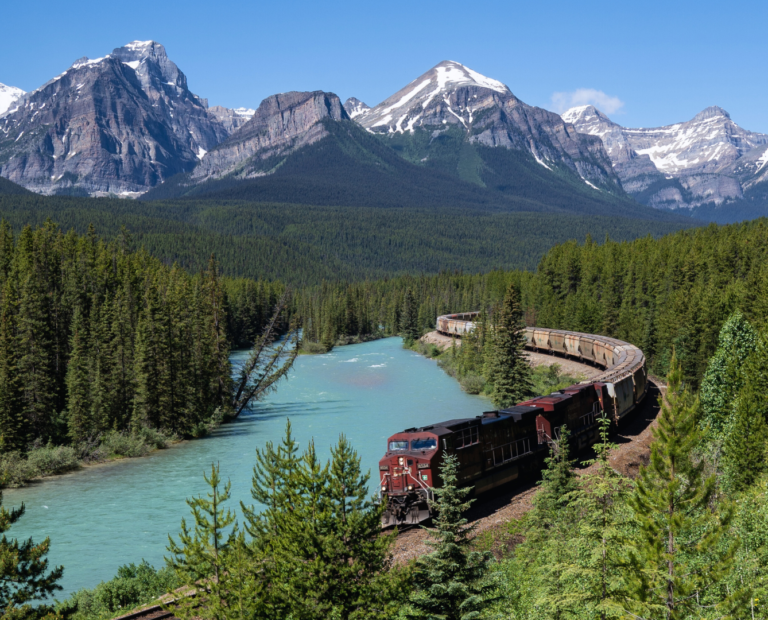
Modern trains operate under strict safety rules and often at high speeds, making proximity risky. Photographers must stay outside fenced areas and follow local regulations to avoid fines or accidents.
Lighting conditions can be challenging due to reflective surfaces and glass windows. Using polarising filters reduces glare, improving image clarity. Planning visits based on timetables ensures photographing peak service hours or specific models.
Rail infrastructure elements—like signals and overhead wires—should be included deliberately to add context while ensuring they do not clutter the shot. Local authorities often publish guidelines on safe vantage points.
Engaging with the Railway Enthusiast Community
Joining enthusiast groups provides access to insider knowledge on locomotive movements and special events, improving planning. Forums and websites like railpictures.net offer a platform to share work and receive constructive feedback.
Community events often allow photographers into restricted areas under supervision. Respecting railway staff and safety protocols enhances trust and future access opportunities.
Networking through these channels helps photographers stay updated on operational changes and emerging safety guidelines, essential for responsible locomotive photography.