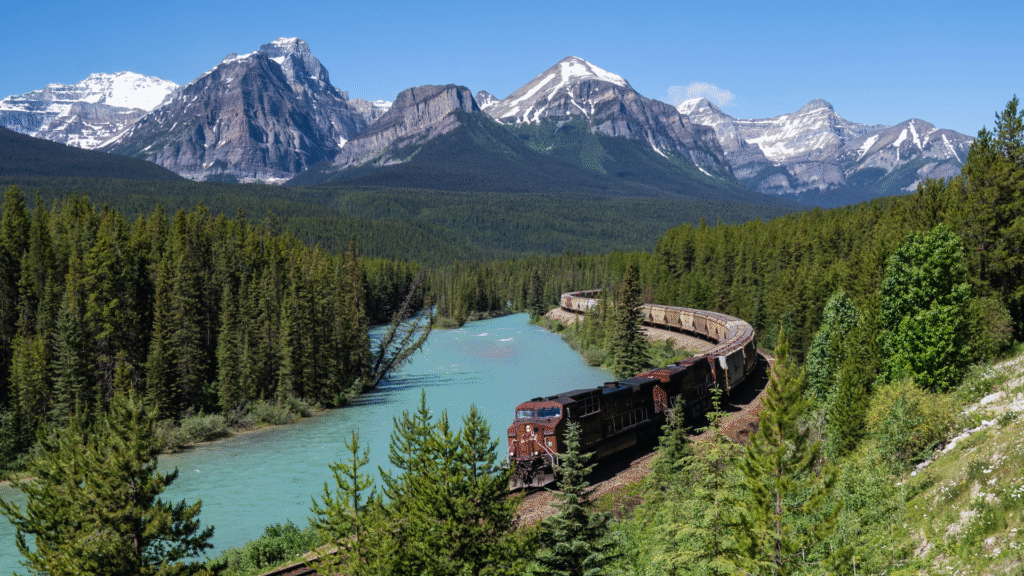

For train photography enthusiasts, selecting the right camera can significantly influence the quality of their images. When comparing DSLRs and mirrorless cameras, mirrorless models tend to offer advantages such as lighter weight, faster autofocus, and superior electronic viewfinders, making them more suitable for capturing moving trains. Each type of camera has its strengths, and understanding these can help photographers make informed decisions based on their individual needs.
DSLR cameras have a long-standing reputation for delivering robust performance and superior battery life, which can be advantageous during extended shoots at train stations or along scenic routes. While mirrorless cameras have risen in popularity due to their technological advancements, senior photographers often appreciate the classic feel and experience that DSLRs provide.
Ultimately, both camera systems can excel in training photography, so the choice hinges on personal preferences, shooting style, and specific photographic goals. This article will explore the distinct features, advantages, and limitations of each system to help train photographers to determine the best fit for their adventures.
Understanding the Basics
Having a clear grasp of the mechanisms behind DSLRs and mirrorless cameras is essential for choosing the right equipment for train photography. The following sections will explore the definitions and operational characteristics of both types of cameras.
Definition and Mechanism of DSLR Cameras
A Digital single-lens reflex (DSLR) camera features a mirror mechanism that reflects light from the lens to an optical viewfinder. This design allows photographers to see exactly what the lens sees. When the shutter button is pressed, the mirror flips up, allowing light to hit the image sensor.
DSLRs generally offer a robust build and superior battery life. They excel in fast-paced scenarios, which is often required in train photography. Additionally, many DSLRs come with a vast array of interchangeable lenses, allowing for greater versatility in capturing varying shot styles.
Key features of DSLRs include:
- Optical Viewfinder: Provides a real-time view of the scene.
- Auto-Focus Technology: Reliable in varied lighting conditions.
- Extended Battery Life: Typically outlasts mirrorless models.
Such performance characteristics make DSLRs a strong choice for serious photographers.
Definition and Advancements in Mirrorless Cameras
Mirrorless cameras function without the mirror mechanism found in DSLRs, leading to a more compact design. Instead of an optical viewfinder, they use an Electronic Viewfinder (EVF) or rely on the rear LCD screen to display what the sensor sees. This technology allows for immediate feedback in terms of exposure and focus.
Advancements in mirrorless cameras include improved autofocus systems, faster burst shooting, and enhanced video capabilities. Photographers can enjoy the benefit of lightweight bodies and quieter operation, which is crucial for capturing trains without disturbing the surroundings.
Key features of mirrorless cameras include:
- Compact Size: Easier to carry during long outings.
- Silent Shooting Modes: Better for wildlife and candid photography.
- Real-Time Exposure Preview: Adjustments appear instantly on the EVF or screen.
These advancements provide a competitive edge, appealing to photographers focused on mobility and adaptability.
Comparing Performance Features
In evaluating DSLR and mirrorless cameras for train photography, key performance aspects include autofocus capabilities, image quality, and the type of viewfinder. Each camera system offers distinct advantages tailored to different shooting situations.
Autofocus Capabilities and Speed
Autofocus performance is critical for train photography, where moving subjects require quick and accurate focusing. DSLRs typically use phase detection systems, enabling rapid and efficient autofocus, especially in bright conditions. This technology excels in capturing fast-moving trains, making it a strong option for railway enthusiasts.
Mirrorless cameras, on the other hand, often rely more on contrast detection. Many modern models now integrate hybrid systems that combine both methods. This allows for competitive autofocus speeds, especially in low-light conditions, where mirrorless models may perform better due to their electronic viewfinders.
Image Quality and Sensor Size
Image quality is influenced significantly by sensor size. Full-frame sensors generally offer superior image quality with improved low-light performance and dynamic range. Many DSLRs are built around full-frame sensors, which can provide exceptional detail and tonal range essential for capturing trains in varied lighting.
Mirrorless cameras are available in various formats, including APS-C and Micro Four Thirds. While APS-C sensors can deliver good image quality, Micro Four Thirds sensors may not perform as well in low light. Still, advancements in sensor technology have led to impressive results in mirrorless systems, making them viable for train photography.
Viewfinder Differences: Optical vs Electronic
The viewfinder type affects the shooting experience. DSLRs feature an optical viewfinder (OVF), offering a real-time, direct optical view of the scene. This system provides an immediate response without lag, important for tracking fast-moving subjects like trains.
In contrast, electronic viewfinders (EVF) in mirrorless cameras display a digital representation of the scene. While EVFs can offer useful overlays and real-time exposure previews, they may introduce slight delays. However, many photographers appreciate the ability to see how adjustments affect the image in real-time. Each type has its advocates, depending on the photographer’s preferences and shooting style.
Practical Considerations for Train Photography
When engaging in train photography, several practical factors can significantly affect the shooting experience. Key elements include camera durability and battery life, portability with lens options, and performance across various scenarios.
Camera Durability and Battery Life
Durability is crucial for train photographers often exposed to various weather conditions. Cameras like the Nikon D780 feature weather-sealing, providing protection against rain and dust. In contrast, many mirrorless options may not offer the same level of ruggedness.
Battery life is another essential consideration. Train photographers frequently encounter extended hours of shooting, making it vital to choose a camera with better battery longevity. DSLRs often excel here, providing significantly longer usage. The Canon EOS Rebel T8i can last up to 1,600 shots on a single charge, ideal for long sessions without needing to swap batteries frequently.
Portability and Lens Options
Portability becomes increasingly important for those who travel extensively for train photography. Compact mirrorless cameras can be lighter and smaller, making them easier to carry during long shoots. This factor is particularly beneficial for street and travel photography, where mobility is essential.
Lens selection plays a critical role as well. DSLRs typically offer a more extensive range of available lenses. Photographers can easily find high-quality options suitable for capturing trains in motion or scenic shots. In contrast, mirrorless systems are rapidly expanding their lens options, but the variety may not be as vast as what is available for DSLRs.
Performance in Different Photography Scenarios
Different photography scenarios demand distinct camera performances. For action shots, speed is vital; DSLRs often have a faster autofocus system, making them suitable for capturing trains in motion. The continuous shooting mode in the Nikon D780 can shoot at 7 frames per second, an advantage for fast-paced scenes.
In low-light conditions, particularly during dawn or dusk, a camera’s sensor performance and high ISO capabilities come into play. Mirrorless options may provide an advantage here due to their electronic viewfinders, offering real-time exposure previews. Understanding these aspects enables photographers to select the right camera type that best suits their training photography needs.
Advancements and Market Trends
Recent progress in camera technology and shifts in market preferences have significantly shaped the landscape of DSLR and mirrorless cameras. Notable advancements in features and new models have made it crucial for photographers to stay informed.
Innovations in Camera Technology and Design
Mirrorless technology has led the charge in camera innovation. With a compact design, these cameras often weigh less than traditional DSLRs, making them more suitable for on-the-go photography, such as train spotting.
Key features include:
- Fast autofocus systems: Many models, like the Canon EOS R5 and Nikon Z9, utilise advanced focusing algorithms that perform exceptionally well in varying light conditions.
- High-resolution sensors: The Sony A7R V offers 61MP, allowing for detailed images even at a distance.
- Video capabilities: Support for 4K and 8K video has become standard, broadening the creative possibilities for photographers and videographers alike.
These advancements enhance low-light performance and allow for continuous shooting at rapid frames per second, catering to the dynamic nature of train photography.
Current and Upcoming Models to Consider
Several notable models in the market stand out for train photography.
- Canon EOS R3: This camera is known for its speed and superb tracking capabilities, ideal for capturing fast-moving trains.
- Nikon Z9: A flagship model, it delivers top-tier performance with a robust build and excellent battery life.
- Panasonic Lumix GH6: With impressive 4K video capabilities and in-body stabilisation, it is perfect for dynamic shooting scenarios.
- Fujifilm X-T4: Renowned for its superb colour science and film simulation modes, this camera appeals to photographers aiming for artistic captures.
As models continue to evolve, features will likely cater more specifically to niche photography interests, including train photography. Staying updated on these trends ensures photographers can make informed decisions.